Maldives Diving Tragedy Highlights Need for Stricter Safety Regulations and Economic Justice
Equipment concerns raise questions about diver safety and the exploitation of local resources.
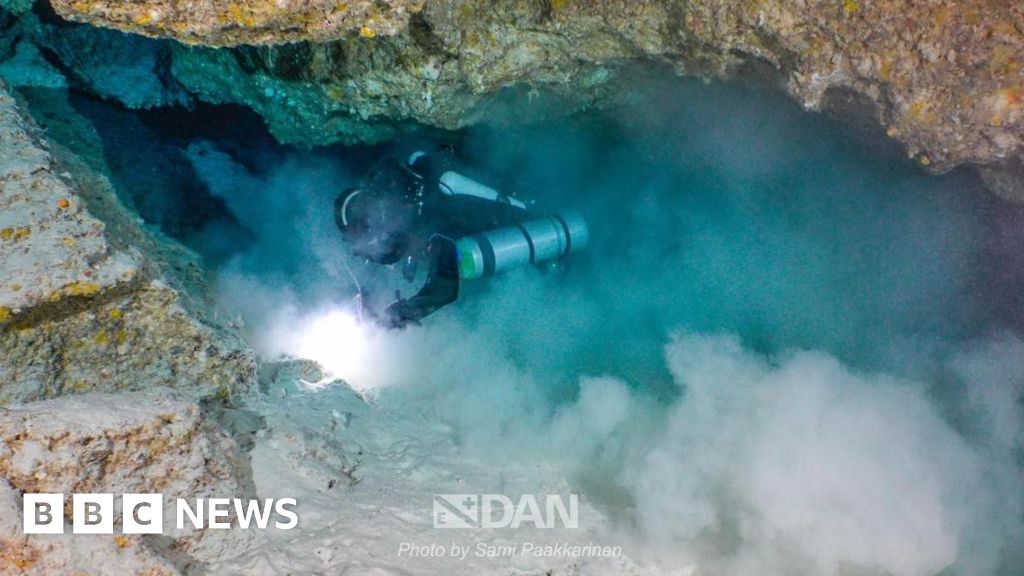
VAAVU ATOLL, Maldives – The recent deaths of four Italian divers and a Maldivian rescue diver in a cave diving accident in Vaavu Atoll expose critical issues surrounding safety regulations, economic disparity, and the exploitation of natural resources in the Maldives. While authorities investigate the cause of the tragic accident, questions arise about the accessibility of proper equipment and training, particularly for local responders.
The incident occurred on May 14 when five Italian divers disappeared while exploring a 60-meter-deep cave. According to Sami Paakkarinen, a Finnish diver involved in the recovery efforts, the equipment used by the Italian divers was “not optimal,” suggesting a potential disregard for established safety protocols. This raises concerns about whether the divers were adequately prepared for the hazardous environment of a cave system, known for its limited visibility and complex navigation. The lack of essential safety devices, such as a diving reel or guide rope, is particularly alarming, highlighting a potential failure to prioritize diver safety.
Furthermore, the death of Staff Sgt. Mohamed Mahdhee, a Maldivian rescue diver, during the search underscores the risks faced by local responders who may lack the same level of resources and training as international diving teams. It raises the question of whether adequate resources are being allocated to ensure the safety of local personnel tasked with responding to emergencies in the tourism sector.
The presence of two University of Genoa researchers, Prof. Monica Montefalcone and Muriel Oddenino, among the deceased points to the intersection of scientific research and tourism in the Maldives. While their work on the impact of climate change on biodiversity is crucial, it is essential to consider the ethical implications of conducting research in a developing nation and ensuring that local communities benefit from such endeavors.
This incident also casts a shadow on the burgeoning tourism industry in the Maldives, a popular destination known for its coral islands and diving opportunities. While tourism can bring economic benefits to the country, it is crucial to ensure that the industry operates in a sustainable and equitable manner, prioritizing the safety and well-being of both tourists and local communities. The push for increased tourism revenue must not come at the expense of environmental protection or worker safety.
The investigation into the diving accident must address not only the immediate causes of the tragedy but also the broader systemic issues that may have contributed to it. This includes examining the adequacy of safety regulations for diving activities, the accessibility of proper equipment and training for both tourists and local responders, and the ethical implications of tourism and research activities in the Maldives.
It is imperative that the Maldivian government and the international community work together to strengthen safety protocols, promote sustainable tourism practices, and ensure that local communities benefit from the economic opportunities created by the tourism sector. This includes investing in training and resources for local responders, implementing stricter regulations for diving activities, and promoting responsible environmental stewardship.
The tragic deaths of the Italian divers and the Maldivian rescue diver should serve as a catalyst for change, prompting a critical examination of the values that drive these enterprises. By prioritizing human safety, environmental protection, and economic justice, the Maldives can create a more sustainable and equitable tourism industry that benefits both visitors and local communities.
Sources:
* University of Genoa Research Publications * Dan Europe Diving Safety Organization