Man Jailed for Meme Wins Settlement, Highlighting Free Speech Disparities
Larry Bushart's $850,000 settlement exposes the dangers of overzealous policing and the unequal application of free speech protections.
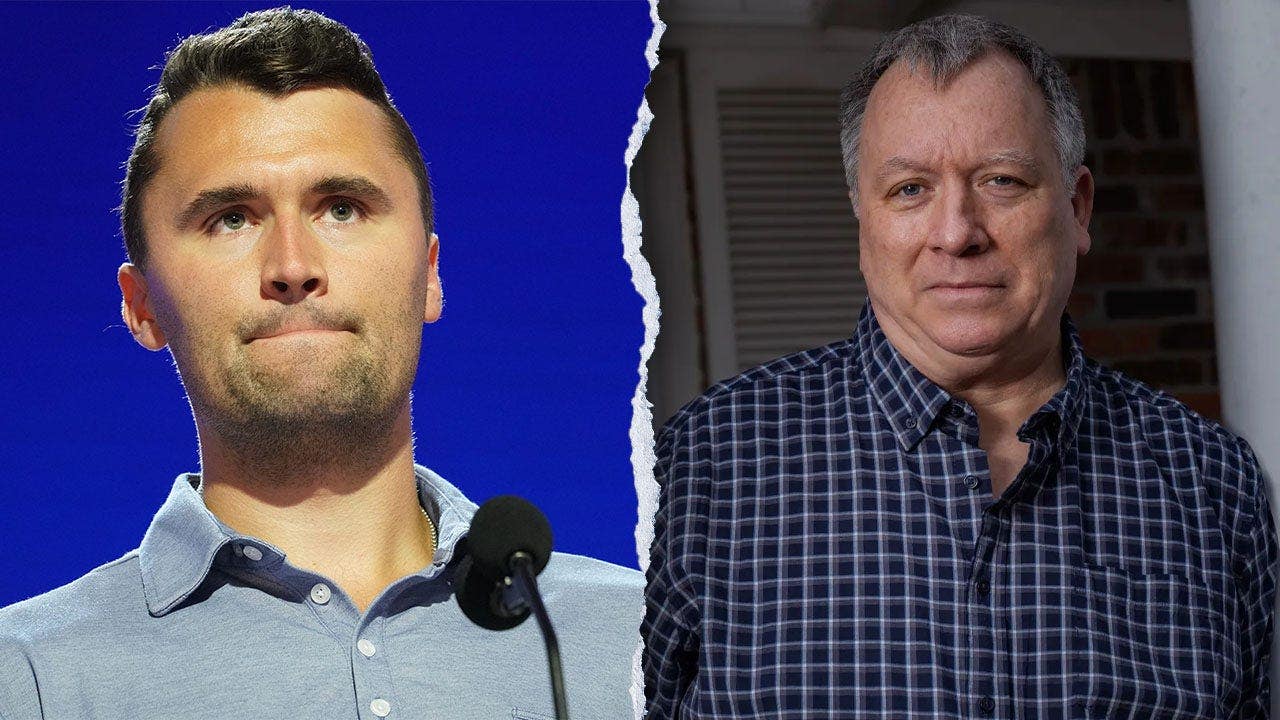
NASHVILLE, Tenn. – The $850,000 settlement awarded to Larry Bushart, a 61-year-old retired police officer, after being jailed for 37 days over a Facebook meme mocking the assassination of Charlie Kirk, raises critical questions about the state of free speech in America and the potential for its disproportionate application. While Bushart has been vindicated, the case underscores the chilling effect such arrests can have on political discourse, particularly for those with less power and resources.
Bushart's ordeal began with a meme referencing the assassination of Charlie Kirk, a prominent conservative figure. While the meme might have been in poor taste, it is crucial to examine whether it constituted a genuine threat, or rather, an expression of political dissent protected under the First Amendment. The fact that authorities initially pursued a felony charge and imposed a $2 million bond suggests a punitive approach that far exceeded the bounds of reasonable law enforcement.
The arrest warrant, based on the "absurd notion" that the meme could be interpreted as a threat to a local high school, reveals a dangerous level of overreach. This raises concerns about the potential for law enforcement to weaponize interpretations of online content to stifle criticism and suppress dissenting voices. The impact of such actions is particularly acute for marginalized communities, who are often subjected to heightened scrutiny and harsher penalties for their online expression.
Bushart's case is not an isolated incident. FIRE notes that hundreds of Americans have been censored for their online speech following Kirk's assassination. This points to a broader pattern of censorship and suppression of dissenting voices in the wake of politically charged events. This raises concerns that the response to the assassination is being used as a pretext for stifling legitimate political speech, particularly speech that is critical of powerful figures or institutions.
Furthermore, Bushart's experience highlights the devastating personal consequences of such arrests. He lost his post-retirement job and missed significant family milestones, including his wedding anniversary and the birth of his granddaughter. These losses underscore the human cost of overzealous policing and the long-lasting impact of unjust arrests.
The role of the Foundation for Individual Rights and Expression (FIRE) in representing Bushart is commendable, but it also underscores the need for greater systemic safeguards to protect free speech rights. The fact that individuals need to rely on advocacy organizations to defend their constitutional rights highlights the failures of existing legal and political systems.
The settlement in Bushart's case is a step in the right direction, but it is crucial to address the underlying issues that led to his arrest in the first place. This requires a commitment to protecting free speech for all, regardless of their political views or social status. It also requires greater accountability for law enforcement officials who abuse their power to suppress dissenting voices.
The focus should be on fostering a more inclusive and equitable society where all individuals feel safe to express their opinions without fear of retaliation. This necessitates a critical examination of existing laws and policies that may be used to stifle free speech, as well as a commitment to promoting media literacy and critical thinking skills to help individuals discern between genuine threats and protected expression.
Ultimately, the Bushart case serves as a reminder that the fight for free speech is an ongoing struggle. It requires vigilance, advocacy, and a commitment to challenging injustice wherever it exists. Only by working together can we ensure that the promise of free speech is a reality for all Americans, not just a select few.