Man Killed in Shooting Near White House Raises Questions About Security and Mental Health Support
The fatal shooting near a White House security checkpoint highlights the urgent need for comprehensive mental health services and a re-evaluation of security protocols.
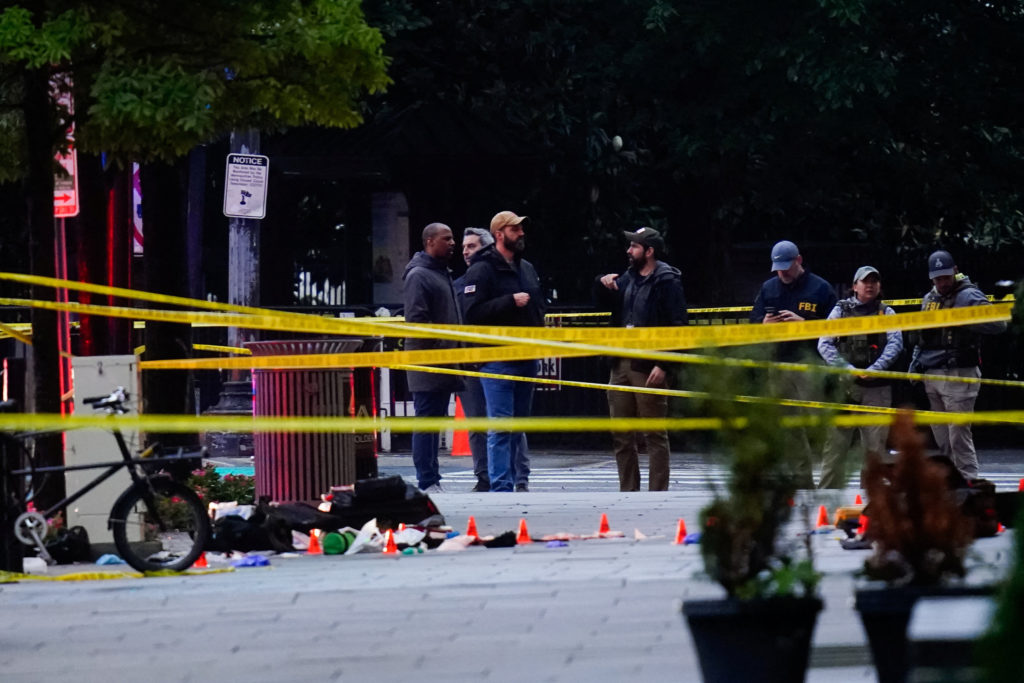
Washington, D.C. – The fatal shooting of a man near a White House security checkpoint on Saturday has ignited concerns about the intersection of security measures, mental health support, and community well-being. While the U.S. Secret Service reported that officers returned fire, resulting in the suspect's death, the incident raises critical questions about the societal factors that may have contributed to the tragedy.
The Secret Service's statement indicates that the individual discharged a firearm near a security checkpoint, prompting a response from officers. However, this event should also serve as a call to action to address the systemic issues that often underlie such incidents. Too often, individuals in distress do not receive the support they need, leading to tragic outcomes.
The lack of readily accessible and affordable mental health services in the United States is a well-documented crisis. Many individuals struggle to find timely and appropriate care, particularly those from marginalized communities. This can result in untreated mental health conditions that can escalate into crises.
Furthermore, the militarization of security responses can exacerbate situations involving individuals in mental health distress. A more compassionate and de-escalation-focused approach, utilizing trained mental health professionals, may be a more effective way to handle such incidents in the future.
The incident also prompts a re-evaluation of security protocols around the White House. While security is paramount, it is also important to ensure that security measures do not disproportionately impact marginalized communities or infringe upon civil liberties. The balance between security and public access remains a delicate one.
The identity of the deceased individual has not been released, but understanding the individual's background and circumstances could provide valuable insights into the factors that contributed to the incident. Were there underlying mental health issues? Were there socioeconomic factors at play? These are important questions to consider.
Community organizations and advocacy groups have long called for increased investment in mental health services, particularly in underserved communities. These organizations play a critical role in providing support and resources to individuals in need.
The shooting near the White House also highlights the need for a more comprehensive approach to addressing gun violence. While gun control measures are essential, it is also important to address the root causes of violence, including poverty, inequality, and lack of opportunity.
The incident underscores the urgency of addressing these complex issues. It is imperative that policymakers, community leaders, and law enforcement agencies work together to create a more just and equitable society, where all individuals have access to the resources and support they need to thrive.
The focus should be on prevention, early intervention, and community-based solutions. By investing in these strategies, we can reduce the likelihood of similar tragedies in the future.