M&S Boss Rejects Price Caps, Prioritizing Profit Over People's Access to Food
Stuart Machin's stance highlights the need for policies that prioritize affordable essentials for working families amidst rising costs.
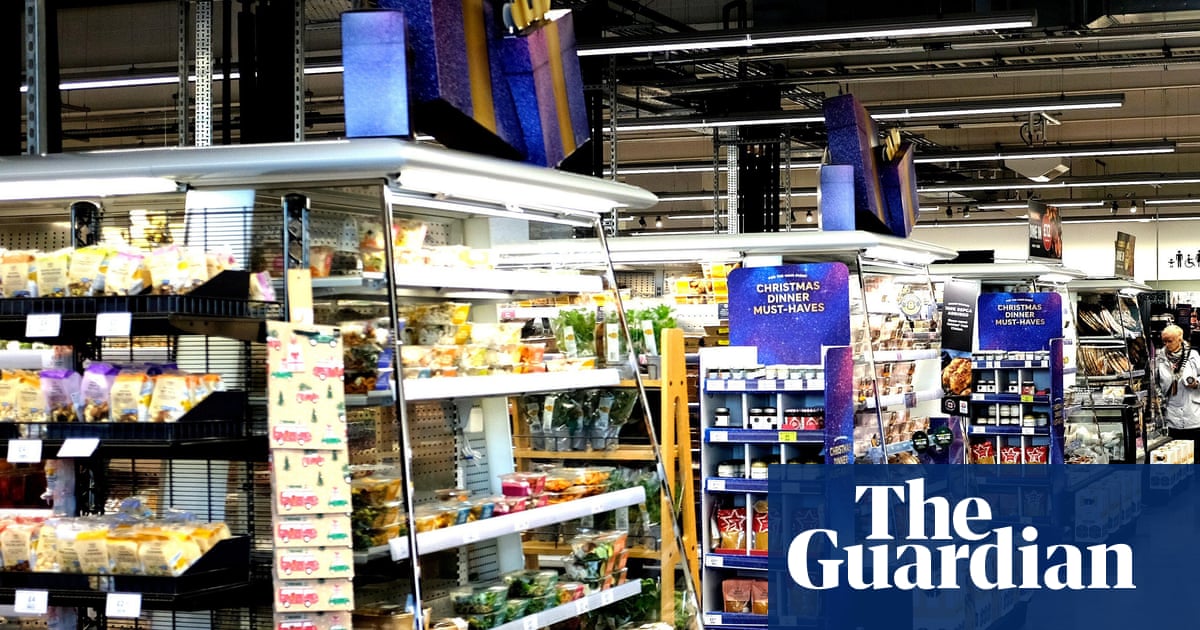
LONDON – Marks & Spencer (M&S) Chief Executive Stuart Machin's dismissal of government-proposed food price caps exposes a troubling disregard for the struggles of working families facing rising costs. Machin's claim that the proposal is “completely preposterous” underscores how corporate interests often clash with the urgent need to ensure access to affordable essentials for all. The government's suggestion – that supermarkets stock at least one version of basic items like bread, milk, and butter at a set low price in exchange for relaxed regulations – aimed to alleviate the burden on households grappling with inflation. Machin's opposition, citing losses on staples like milk and bread, reveals a system where profit margins are prioritized over social responsibility.
Machin's claim that “I don’t think government should be trying to run business” ignores the crucial role of government in regulating markets to protect vulnerable populations. The idea that reducing “tax and regulatory burden” is the only solution conveniently ignores the ways in which those very taxes and regulations fund vital social programs that support those in need.
Machin laments a “triple whammy of headwinds,” including increased taxation and regulatory burden, but fails to acknowledge the social and environmental justifications behind these measures. Packaging levies, for example, are designed to incentivize sustainable practices and reduce environmental damage. National insurance contributions fund vital social security programs. Framing these as mere “headwinds” obscures their importance in creating a just and sustainable society.
The alleged impact on employment is a well-worn tactic used by corporations to deflect criticism of their practices. While job creation is important, it should not come at the expense of fair wages, safe working conditions, and environmental stewardship. The Middle East conflict's impact on supply chains, though real, should not be used as a justification for resisting policies that support affordability for consumers. M&S's ability to absorb most of these costs suggests that price caps could be implemented without significant financial strain.
The announcement of investments in technology and new stores, following a dip in profits attributed to a cyber-attack, seems to prioritize modernization and shareholder value over immediate relief for struggling families. The long-term benefits of these investments may not be felt by those who are currently struggling to put food on the table. The 7% increase in food sales, contrasted with declines in other sectors, underscores the essential nature of food and the need to ensure its affordability.


