Mark Fuhrman's Death a Reminder of Racial Bias in OJ Simpson Case
The legacy of the disgraced detective highlights the systemic issues that continue to plague the criminal justice system.
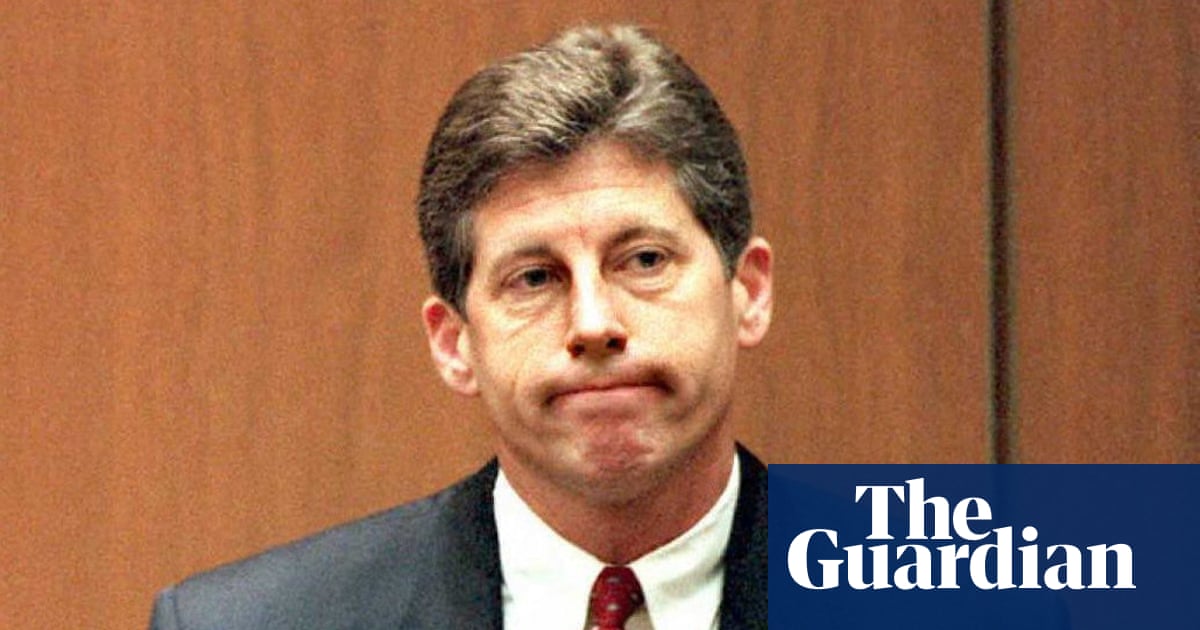
Mark Fuhrman, the former Los Angeles police detective whose perjury conviction stemmed from his role in the OJ Simpson murder trial, has died, leaving behind a legacy deeply stained by racial bias and police misconduct. Fuhrman's involvement in the investigation and his subsequent lies under oath underscore the persistent challenges of racial inequality within the American legal system.
Fuhrman was among the initial detectives at the scene of the 1994 murders of Nicole Brown Simpson and Ronald Goldman. He reported finding a bloody glove at Simpson’s residence, a crucial piece of evidence that ultimately contributed to Simpson's initial criminal trial.
However, Fuhrman's credibility was severely compromised when defense attorneys revealed audio recordings of him using racial slurs. His repeated denials of using such language in the past decade were directly contradicted by the tapes, exposing a pattern of racism that cast doubt on his integrity as an officer of the law.
Lynn Acebedo, the chief deputy coroner in Kootenai County, Idaho, confirmed Fuhrman's death on May 12, with the cause of death undisclosed by the county. Fuhrman had moved to Idaho following the Simpson trial and his retirement from the LAPD.
Fuhrman's perjury conviction in 1996, to which he pleaded no contest, serves as a stark reminder of the potential for bias to influence law enforcement investigations. The Simpson case, in particular, became a flashpoint for discussions about race, class, and justice in America.
The acquittal of OJ Simpson in the criminal trial, followed by his later conviction in a civil trial, exposed deep divisions within society about the fairness of the legal system. The revelation of Fuhrman's racial slurs further fueled the perception that the investigation was tainted by prejudice.
The case underscores the need for ongoing reforms within law enforcement agencies to address issues of racial bias and ensure accountability for misconduct. Fuhrman's actions highlighted the importance of rigorous oversight and training to prevent discriminatory practices.
The use of racial slurs and the subsequent attempts to conceal them reflect a broader pattern of systemic racism that has historically marginalized communities of color. Fuhrman's case serves as a cautionary tale about the dangers of unchecked power and the need for transparency in policing.