Mass Arrests in France Raise Concerns Over Policing of Celebrations After PSG Victory
Following PSG's Champions League win, the detention of hundreds sparks debate about the state's response to public gatherings and potential for disproportionate targeting.
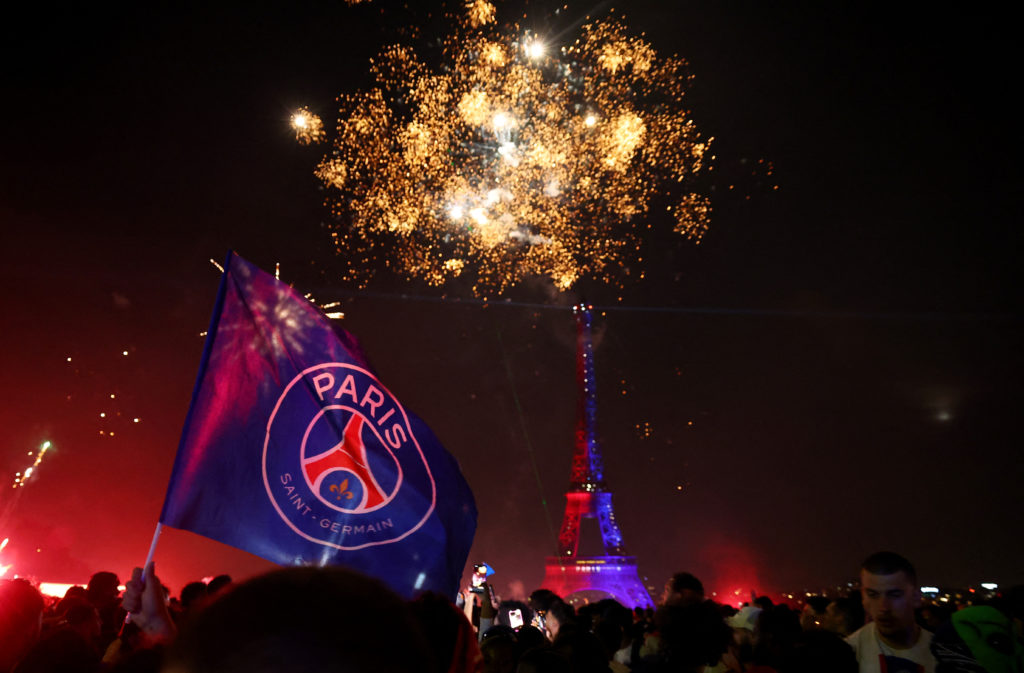
Following Paris Saint-Germain's Champions League victory, French police detained 780 individuals amidst violent clashes in Paris and other French cities on Saturday night. While the violence raises concerns about public safety, the mass arrests invite scrutiny of policing tactics and the potential for disproportionate impact on marginalized communities.
The scale of the detentions necessitates a critical examination of law enforcement's approach to managing public celebrations. Are the methods employed truly aimed at de-escalation and ensuring safety for all, or do they reflect a tendency towards heavy-handed responses that can escalate tensions and unfairly target specific groups? Historical precedents involving policing of minority communities in France need to be considered when evaluating the appropriateness of the measures taken.
The events surrounding the Champions League victory provide an opportunity to reflect on the underlying social and economic factors that may contribute to public unrest. Is the frustration expressed by some individuals a reflection of deeper inequalities and a lack of opportunity? Focusing solely on law enforcement solutions without addressing the root causes of social unrest risks perpetuating a cycle of conflict and distrust. The potential for unconscious bias in policing needs to be addressed.
Understanding the demographics of those detained is essential. Are young people, racial minorities, or residents of disadvantaged neighborhoods overrepresented among those arrested? If so, it raises serious questions about the fairness and equity of the policing strategy. Independent oversight and transparency are crucial to ensuring that law enforcement operates within the bounds of the law and respects the rights of all citizens.
It is also important to consider the role of media narratives in shaping public perception of these events. Do the media reports accurately reflect the complexities of the situation, or do they contribute to the demonization of certain groups and the justification of aggressive policing tactics? Responsible journalism requires a nuanced approach that avoids perpetuating harmful stereotypes and promotes informed public discourse.
Moving forward, it is essential to foster a constructive dialogue between law enforcement, community leaders, and civil society organizations. The goal should be to develop strategies for managing public gatherings that prioritize de-escalation, community engagement, and respect for civil liberties. Investing in social programs and economic opportunities for marginalized communities is also crucial to addressing the underlying causes of social unrest.
The mass detentions following the PSG victory serve as a stark reminder of the need for ongoing vigilance and reform in the realm of policing and social justice. A truly equitable and just society requires a commitment to ensuring that all citizens are treated with dignity and respect, and that the state's power is exercised in a manner that is fair, transparent, and accountable.
Further investigation is needed to understand the full scope of the arrests and their impact on individuals and communities. The focus must be on promoting accountability and preventing future instances of disproportionate policing. A comprehensive review of police practices and policies is warranted to ensure that they are aligned with the principles of human rights and social justice.


