Massive Fish Die-Off in Wales Highlights Urgent Need for Stronger Fishing Regulations
Discarded fishing nets and potential pollution raise concerns about the health of Wales' marine ecosystems and the sustainability of fishing practices.
CARMARTHENSHIRE, Wales — The recent discovery of hundreds of dead sharks and fish on two Welsh beaches serves as a stark reminder of the devastating impact of unsustainable fishing practices and potential environmental negligence on marine ecosystems.
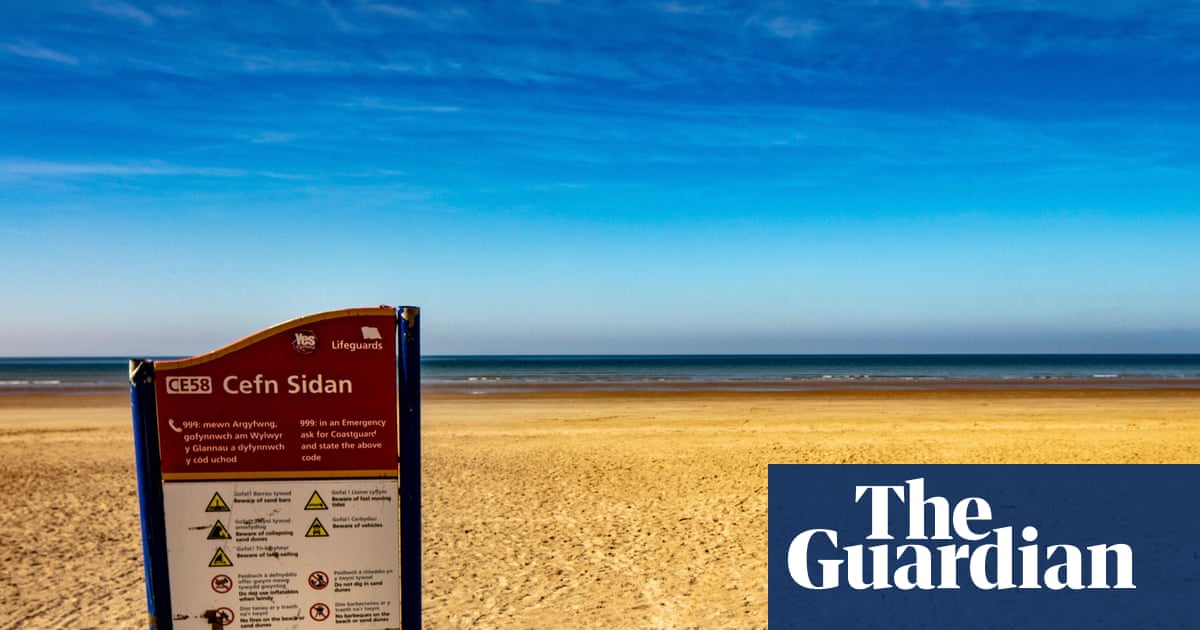
Dog walkers stumbled upon a grim scene on Cefn Sidan beach in Carmarthenshire on Saturday, finding a net filled with dead dogfish, also known as catsharks, discarded and left to rot. This discovery followed the earlier find of hundreds more dead sharks and fish on Saundersfoot beach in neighboring Pembrokeshire, raising serious questions about the health of Wales' coastal waters.
Cliff Benson, founder of Sea Trust Wales, highlighted the unusual scale of these incidents. While smaller occurrences of beached dogfish are not uncommon, the sheer number of dead animals suggests a far more troubling cause. Benson suggested that a fishing boat seeking more commercially valuable species may have discarded the dogfish, a practice that underscores the callous disregard for marine life often associated with industrial fishing.
The discarded fishing nets, often referred to as “ghost nets,” pose a significant threat to marine biodiversity. The World Wildlife Fund (WWF) estimates that a single abandoned net can kill an average of 500,000 marine invertebrates, 1,700 fish, and four seabirds. The Ocean Conservancy has correctly identified these nets as the single most harmful form of marine debris. These statistics paint a devastating picture of the unseen consequences of unsustainable fishing practices.
The problem of ghost nets is exacerbated by the sheer volume of these nets entering the oceans each year. An estimated one million tonnes of ghost gear are introduced into the earth’s oceans, creating a deadly gauntlet for marine life.
These incidents are not isolated. Similar mass die-offs have occurred on Welsh beaches in recent years, with dozens of dogfish found on Prestatyn beach in 2023, hundreds on Cold Knap beach in Barry in 2021, and dozens more at Burry Port in 2019. The repeated nature of these events underscores the systemic issues plaguing Wales' marine environment.
These events highlight the need for stricter enforcement of fishing regulations and a move toward more sustainable fishing practices. Stricter regulations are needed to prevent the discarding of unwanted catch and to ensure that fishing nets are properly disposed of. Furthermore, investments in research and development are needed to find alternatives to traditional fishing gear that reduce the risk of entanglement and marine pollution.


