Massive 'No Kings' Protests Condemn Trump's Escalating Authoritarianism
Millions mobilize against policies targeting immigrants, fueling military conflicts, and threatening fundamental rights.
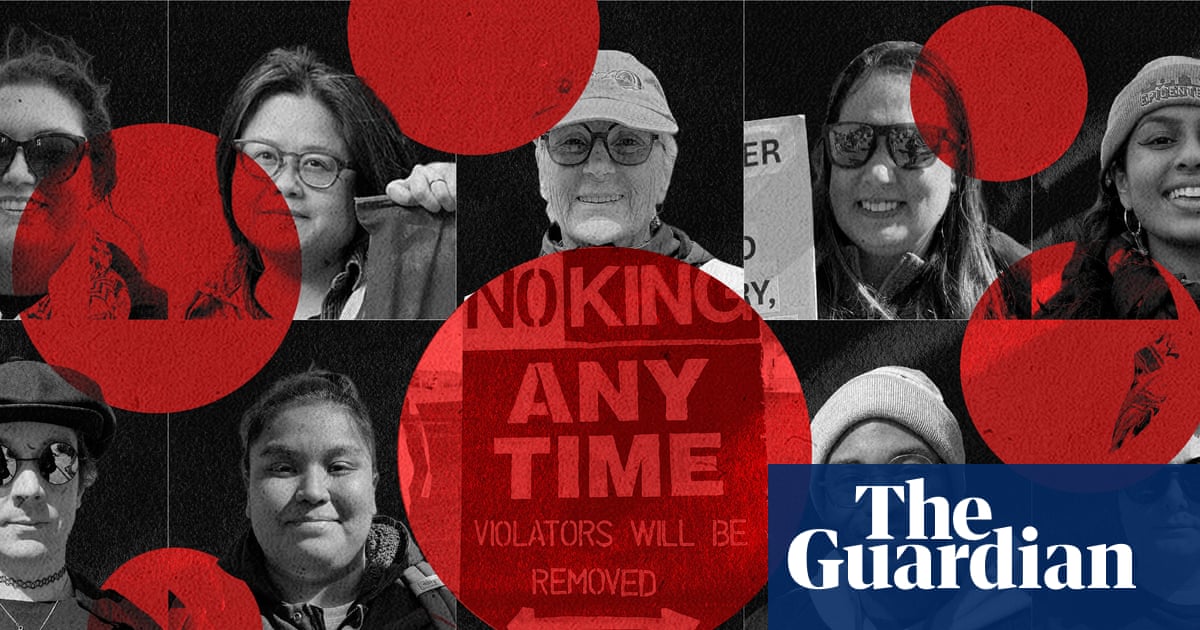
Across the United States and internationally, millions took to the streets Saturday in 'No Kings' protests, a powerful rebuke of the Trump administration's increasingly authoritarian policies. The protests, drawing an estimated 8 million people to 3,300 events, were a clear message of resistance against actions perceived as unjust and harmful to vulnerable communities. The Guardian interviewed 14 protesters in cities like Chicago, New York City, Washington D.C., and Saint Paul, Minnesota, highlighting the diverse range of concerns fueling the demonstrations. The immediate catalyst for the protests includes the deployment of over 3,000 federal immigration agents to Minnesota's Twin Cities, resulting in a climate of fear and the tragic deaths of two residents. This action is viewed as part of a broader pattern of anti-immigrant aggression, exacerbated by ongoing immigration raids in cities and rural areas across the country. The administration's foreign policy decisions have also sparked outrage. The military strikes against Venezuela and the costly war in Iran, estimated to have drained $30 to $40 billion from U.S. coffers, are seen as reckless and detrimental to international stability. Furthermore, the continued U.S. funding of Israel's war in Gaza is condemned as complicity in human rights abuses and a betrayal of progressive values. Beyond these specific actions, protesters are deeply concerned about the Trump administration's attacks on fundamental rights. Threats to transgender rights and voting rights are perceived as an attempt to undermine democracy and marginalize already vulnerable populations. Maya Gomberg, a 25-year-old protester in Chicago, captured the sentiment of many, stating, 'I’m nervous and scared, but based on the turnout and support here, it’s inspiring. I have to say, when it really matters, people are coming out and using their voices and positions to their advantage.' These protests represent a significant moment in the ongoing struggle for social justice and equality. They demonstrate the power of collective action and the determination of ordinary people to resist policies that threaten their communities and their rights. The sheer scale of the protests suggests a growing awareness of the dangers of unchecked executive power and a renewed commitment to building a more just and equitable society.