Mayor Mamdani's Bar Outing: A Glimpse of Authenticity Amidst Political Elitism?
Zohran Mamdani's choice to watch Arsenal with fans raises questions about the accessibility of politicians to the working class.
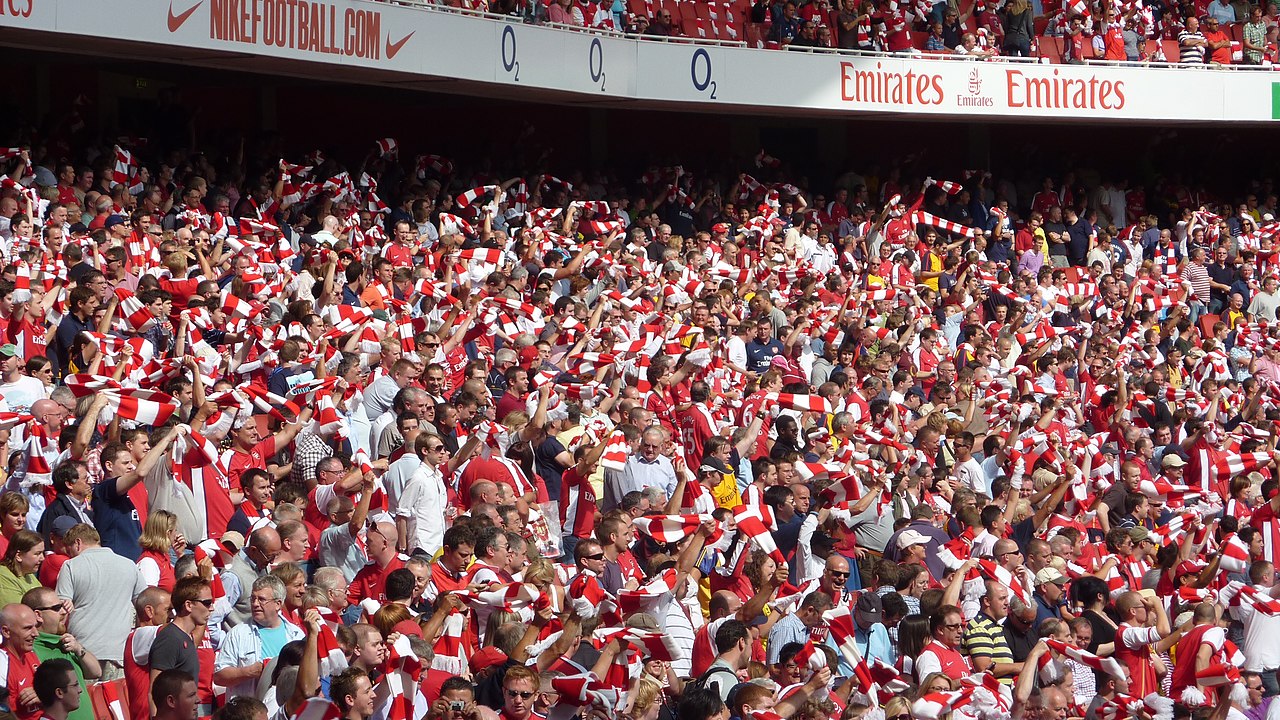
New York City Mayor Zohran Mamdani recently spent an afternoon in Brooklyn watching Arsenal compete for the Champions League title alongside fans in a local bar. This seemingly simple act offers a rare glimpse into the mayor's life before his rapid ascent in the political landscape, but it also prompts deeper questions about the connection between political elites and the communities they serve.
Mamdani's choice to forgo exclusive viewing boxes or private events, and instead join everyday people in a public setting, can be interpreted as a symbolic gesture of solidarity. However, it's essential to critically examine whether such acts genuinely translate into policies that benefit working-class communities or if they merely serve as performative displays of relatability. The optics of a politician enjoying a sports game are undoubtedly appealing, but it's crucial to assess whether this translates into tangible action regarding issues like affordable housing, accessible healthcare, and equitable education for all New Yorkers.
The rise of politicians like Mamdani, who seemingly come from outside the traditional political establishment, offers a beacon of hope for many who feel disenfranchised by the system. However, it is imperative to hold these figures accountable for their promises and ensure that their actions align with the progressive values they often espouse. The question remains whether Mamdani's presence at the bar serves as a genuine connection with the community or a calculated move to bolster his public image.
For marginalized communities, seeing a political leader engage in everyday activities can create a sense of inclusion and representation. Yet, this representation must extend beyond surface-level interactions and permeate policy decisions that address systemic inequalities. The mayor's office should prioritize initiatives that tackle the root causes of poverty and discrimination, ensuring that all residents have access to the resources and opportunities they need to thrive.
The historical context of political representation reveals a persistent gap between the needs of the working class and the priorities of those in power. Mamdani's actions must be viewed within this context, acknowledging the historical marginalization of certain communities and the need for concrete policy changes to redress these imbalances. The mayor's office should actively engage with community organizers and advocacy groups to develop inclusive and equitable policies that address the specific challenges faced by different communities.
As Mamdani continues his term, it is essential to monitor his voting record, policy initiatives, and budget allocations to determine whether his actions reflect a genuine commitment to social justice and economic equality. The public must remain vigilant in holding elected officials accountable for their promises and ensuring that their actions align with the needs of the communities they serve. Authentic representation requires more than just appearances; it demands a fundamental shift in power dynamics and a commitment to creating a more just and equitable society for all.
The Mayor's actions are a departure from conventional practices and it remains to be seen if they will lead to authentic change.
Data on economic inequality in New York City can be found at the New York City Comptroller's office website.