McIlroy's Masters Lead Highlights Ongoing Accessibility Issues in Elite Golf
As McIlroy shines, the sport's persistent barriers to entry for marginalized communities remain a concern.
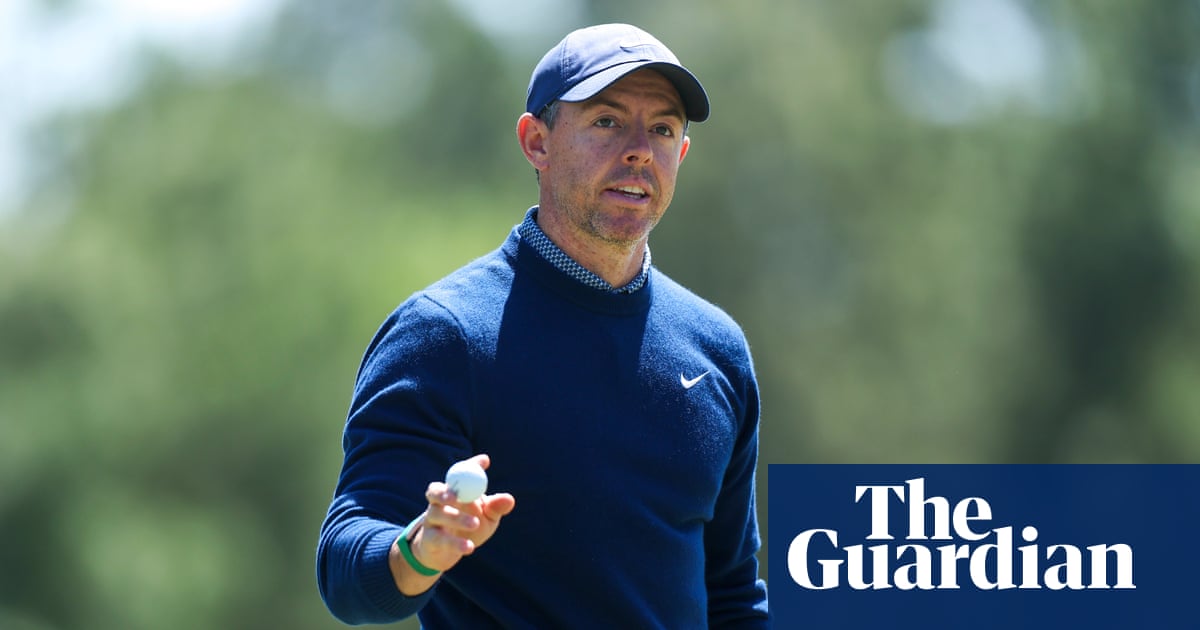
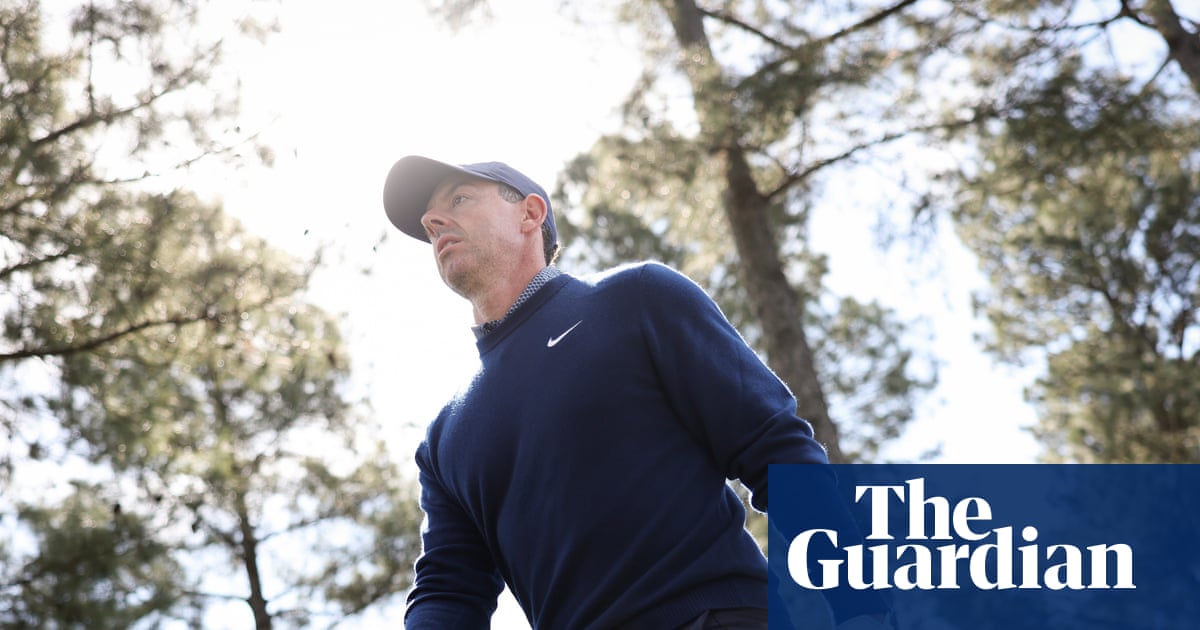
Rory McIlroy's strong start at the Masters, sharing the lead with Sam Burns after a first-round 67, provides a moment of excitement for golf enthusiasts. However, it also presents an opportunity to reflect on the broader social context of the sport, particularly its ongoing struggles with accessibility and equity.
While McIlroy's performance is undeniably impressive, the exclusive nature of golf remains a significant barrier for many. The high costs associated with equipment, course fees, and professional instruction disproportionately affect low-income individuals and communities of color. This creates a cycle of exclusion, limiting opportunities for diverse talent to emerge and compete at the highest levels.
"I was nervous, I was anxious just like I always am on that 1st tee," McIlroy said, acknowledging the pressure of the competition. However, the pressure faced by aspiring golfers from marginalized backgrounds often extends beyond the course itself, encompassing systemic disadvantages and lack of resources.
Sam Burns's presence at the top of the leaderboard is also noteworthy. Despite his previous struggles at Augusta, his current performance underscores the potential for growth and improvement. However, even success stories like Burns's do not negate the need for broader systemic change.
The lack of diversity in golf extends beyond the players themselves. Caddie positions, course management roles, and even spectator demographics reflect the sport's historical and ongoing exclusivity. Addressing these issues requires a multifaceted approach, including increased investment in youth programs, scholarships for aspiring golfers from underrepresented communities, and efforts to make golf courses more accessible and affordable.
McIlroy's comments about the ease of winning a second Masters after having already won one highlight the advantages conferred by existing success. For those who lack access to the same resources and opportunities, achieving even initial success in golf can be an insurmountable challenge.
The presence of celebrities like Rafa Nadal at the Masters underscores the sport's appeal to a wealthy and influential audience. However, it is crucial to remember that golf is not just a game for the elite. It has the potential to be a source of recreation, personal growth, and community building for people from all walks of life.