Melania Trump's Denial and Call for Hearings: A Reckoning for Epstein's Survivors?
The former First Lady's statement raises questions about the responsibility of those connected to Jeffrey Epstein and the long-overdue justice for his victims.
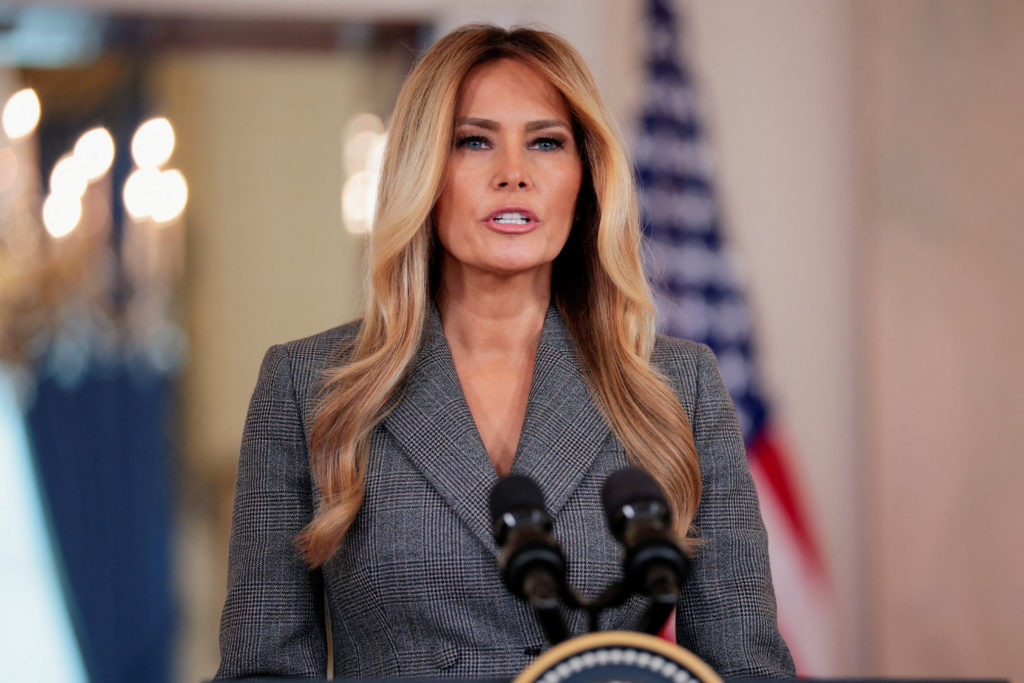
Former First Lady Melania Trump's recent denial of any ties to Jeffrey Epstein and her call for congressional hearings for survivors represent a potentially significant moment in the ongoing reckoning surrounding Epstein's crimes. While the statement may appear to be a step towards justice, it also raises critical questions about the role of those who enabled and benefited from Epstein's network of abuse.
For years, Epstein's crimes were shielded by a system of wealth and power, allowing him to exploit vulnerable individuals with impunity. The failure of institutions to protect these victims underscores the systemic inequalities that perpetuate such abuses. Trump's call for hearings must be viewed within this context, demanding a thorough investigation into the structures that allowed Epstein's crimes to flourish.
Congressional hearings offer the potential for survivors to finally have their voices heard and for the full extent of Epstein's network to be exposed. However, it is crucial that these hearings are survivor-centered, ensuring that their experiences are prioritized and that they receive the support they need to navigate the trauma of testifying.
The focus must extend beyond individual perpetrators to address the systemic issues that allowed Epstein to operate with impunity. This includes examining the role of financial institutions, law enforcement agencies, and other powerful actors who may have turned a blind eye to his crimes.
Furthermore, any investigation must consider the disproportionate impact of Epstein's crimes on marginalized communities. Many of his victims were young women from disadvantaged backgrounds who were particularly vulnerable to exploitation. Addressing these systemic inequalities is essential to preventing future abuses.
Trump's statement also raises questions about her own awareness of Epstein's activities during her time in the public eye. While she denies any direct ties, it is imperative that all individuals with potential knowledge of his crimes be held accountable, regardless of their position or status.
The pursuit of justice for Epstein's survivors requires a comprehensive approach that includes not only legal action but also meaningful support services. This includes access to therapy, counseling, and other resources that can help survivors heal from the trauma they have endured.
Moreover, it is essential to address the broader societal norms that enable sexual abuse and exploitation. This requires challenging toxic masculinity, promoting consent education, and creating a culture of respect and equality.
Congressional hearings represent a critical opportunity to expose the truth about Epstein's crimes and hold those responsible accountable. However, it is crucial that these proceedings are conducted with sensitivity, transparency, and a commitment to justice for all survivors.
Trump's statement, while potentially significant, should be viewed as a starting point for a much broader and more comprehensive effort to address the systemic issues that allowed Epstein's crimes to occur. Only then can we truly begin to heal the wounds of the past and create a future where such abuses are no longer tolerated.
The call for hearings highlights the need for accountability and systemic change to protect vulnerable individuals from exploitation.
Ultimately, the pursuit of justice for Epstein's survivors demands a fundamental shift in our societal values and a commitment to creating a world where power is not used to exploit and abuse.