Meningitis Outbreak Exposes Vaccine Equity Gaps in England
The Kent outbreak highlights the urgent need for equitable access to routine immunizations and improved public health infrastructure.
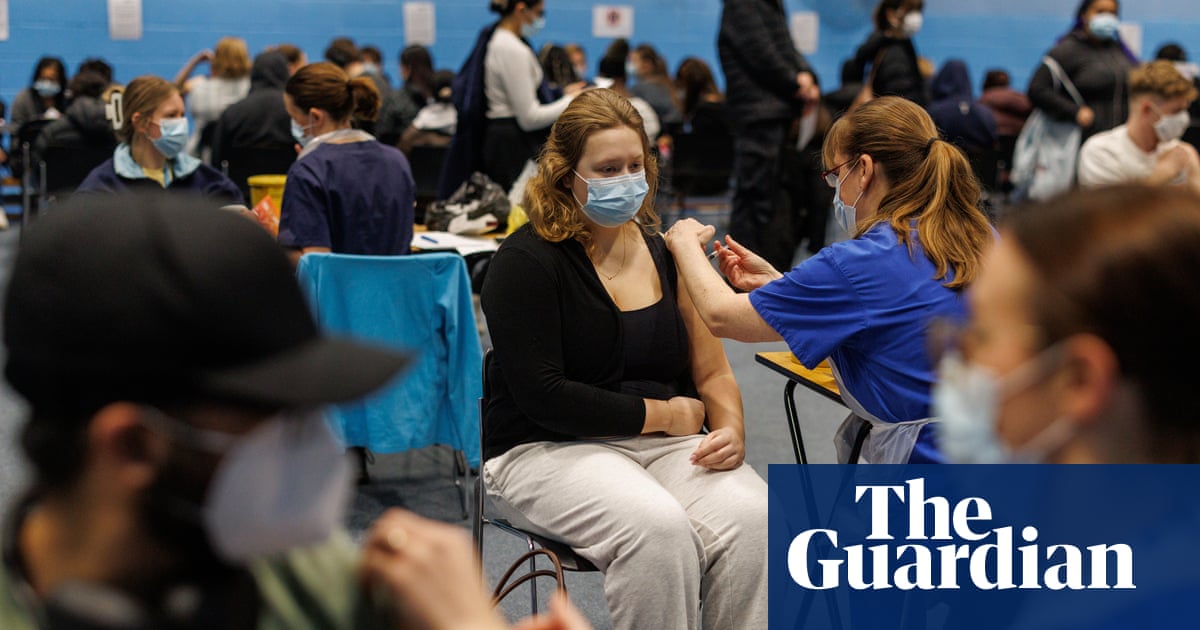
The recent meningitis B outbreak in Kent, tragically claiming the lives of two teenagers and hospitalizing 18 others, has cast a stark light on the pre-existing inequities in access to routine vaccinations across England. While the surge in demand for MenACWY and Td/IPV vaccines is a welcome development, it underscores a systemic failure to ensure that all children, regardless of socioeconomic status or geographic location, are adequately protected against preventable diseases.
The fact that only 72% of year-nine pupils received the MenACWY or booster Td/IPV inoculations in the 2024/25 academic year, far below the recommended 95%, reveals a critical shortfall in public health infrastructure and outreach. This gap disproportionately affects marginalized communities, where factors such as poverty, lack of transportation, language barriers, and distrust of the healthcare system can hinder access to vital preventive care.
The Royal College of GPs (RCGP) and the National Pharmacy Association (NPA) have reported increased demand, particularly in areas like Hertfordshire, Greater Manchester, and Berkshire. However, simply increasing vaccine availability is not enough. A comprehensive approach is needed to address the root causes of vaccine hesitancy and ensure that all communities have equitable access to culturally competent healthcare services.
Olivier Picard, chair of the NPA, rightly points out the encouraging aspect of parents reviewing vaccine records. However, this reactive response should not overshadow the proactive measures required to reach underserved populations. Public health initiatives must prioritize outreach to schools, community centers, and places of worship in marginalized areas, offering accessible and reliable information about the importance of vaccinations.
Prof Victoria Tzortziou Brown, chair of the RCGP, acknowledges the increased interest in vaccinations, but this momentum must be sustained through ongoing public health campaigns and investments in community-based healthcare services. The NHS must work collaboratively with local organizations and community leaders to build trust and address the specific needs of diverse populations.
The 40% increase in parental consents reported by NHS Greater Manchester highlights the potential for positive change. However, this progress must be replicated across the country, with targeted interventions to address disparities in vaccination rates. This includes providing free transportation to vaccination clinics, offering multilingual information and support, and partnering with trusted community leaders to dispel misinformation and promote vaccine confidence.