Miami-Dade County's Potential $400M Land Grab: A Luxury Bailout Funded by Taxpayers?
Miami-Dade County's potential purchase of Fisher Island land for $400 million raises questions about prioritizing luxury real estate over community needs and equitable spending.
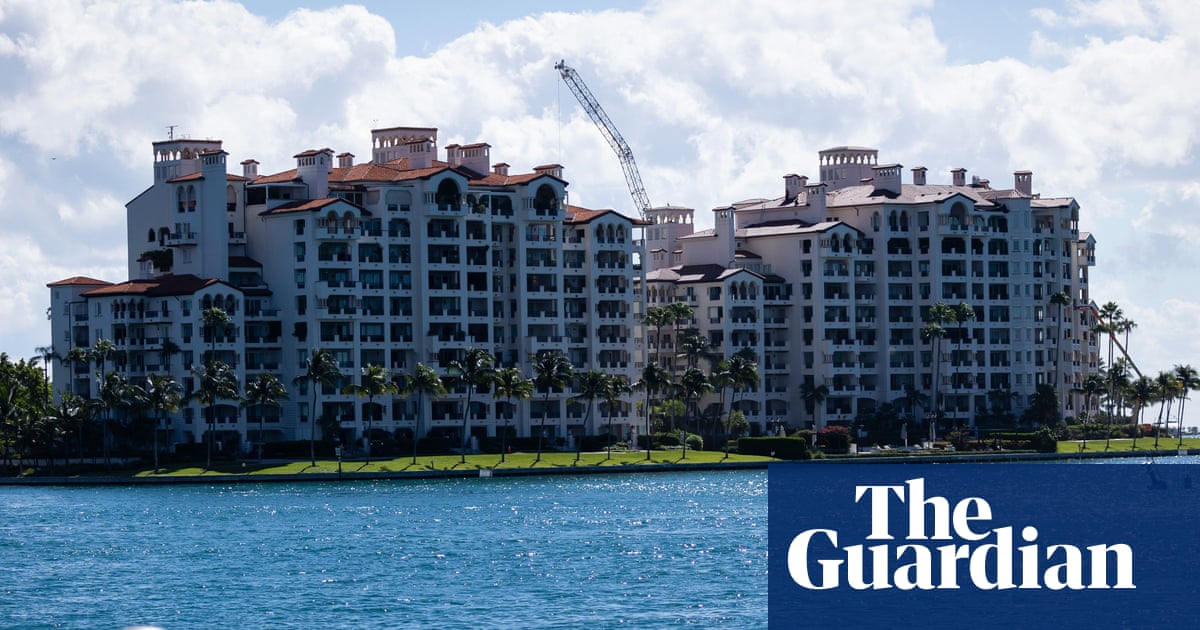
Miami-Dade County is facing scrutiny over a proposed $400 million purchase of land on Fisher Island, a deal that promises a massive $220 million profit for the HRP Group, a Chicago-based developer, without a single shovel of dirt being moved. This potential windfall for wealthy developers, funded by taxpayer dollars, raises serious questions about the county's priorities and its commitment to equitable resource allocation. The land in question, located at 1 Fisher Island Drive, is the last remaining parcel available for development on the exclusive island and currently houses a crucial fuel depot for Miami's cruise industry.
The HRP Group acquired the property for $180 million in September 2025, with plans to build luxury condominium towers. However, the existing fuel depot posed a challenge, requiring demolition and environmental cleanup. This is where Miami-Dade County stepped in, seemingly poised to rescue the developer with a significantly inflated offer.
The county's justification for the purchase is the preservation of the fuel depot, deemed essential for the cruise line industry, a major economic driver in Miami. While maintaining a robust cruise industry is important, the question remains: is a $400 million bailout of a developer the most responsible way to achieve this goal? Could those funds be better allocated to address pressing community needs such as affordable housing, public education, or environmental protection in less privileged areas of the county?
Critics argue that the proposed deal represents a regressive transfer of wealth, funneling taxpayer money into the pockets of wealthy developers and residents of Fisher Island, one of the wealthiest zip codes in the United States. The potential environmental impact of the proposed condominium development also raises concerns. While the HRP Group committed to environmental cleanup, the long-term consequences of constructing high-rise buildings on the island's delicate ecosystem need careful consideration.
The Miami-Dade County Board of Commissioners held an emergency meeting on September 18, 2025, to discuss the issue. The possibility of invoking eminent domain, a power that allows the government to seize private property for public use, was also considered. While eminent domain can be a legitimate tool for public benefit, its application in this case raises concerns about its potential misuse to benefit private interests. The county's decision will have far-reaching consequences, not only for the cruise industry and Fisher Island residents but also for the broader Miami-Dade community. The potential deal underscores the need for greater transparency and accountability in government spending and a more equitable approach to economic development that prioritizes the needs of all residents, not just the wealthy elite. This situation highlights the ongoing struggle between private profit and public good, demanding a critical examination of who benefits from economic development decisions and who bears the cost.