Michigan Senate Debate Exposes Democratic Party's Soul-Searching After 2024 Setbacks
El-Sayed's bold progressive vision clashes with more cautious approaches as Democrats grapple with their future in a key state.
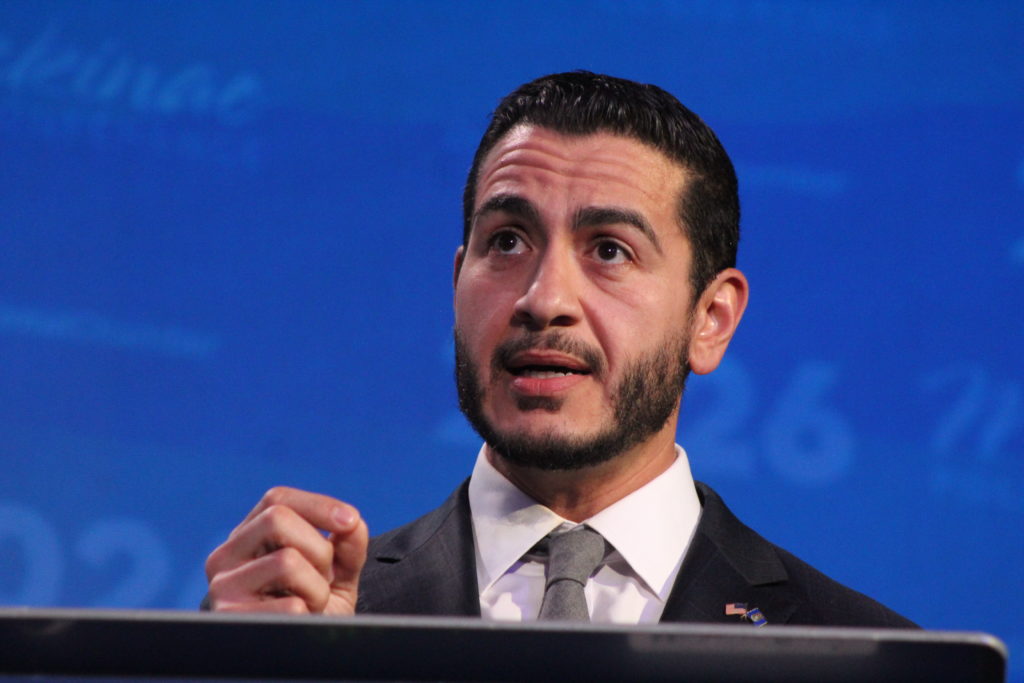
A recent U.S. Senate debate in Michigan laid bare the ideological fault lines within the Democratic Party, as it confronts the need to rebuild after the disappointing results of the 2024 elections. The debate, featuring progressive candidate El-Sayed, illuminated the tensions between those advocating for bold, transformative change and those favoring a more incremental, centrist approach.
The Democratic Party is at a crossroads. The losses of 2024 have forced a painful reassessment of strategy and messaging, with many questioning whether the party has lost touch with working-class voters and failed to adequately address systemic inequalities. The Michigan debate serves as a microcosm of this national struggle, pitting El-Sayed's unabashed progressivism against more moderate viewpoints.
El-Sayed's offensive stance, characterized by a forceful articulation of progressive principles, reflects a growing demand within the party for a more assertive response to the challenges facing working families, communities of color, and the environment. His policy proposals, while potentially controversial, resonate with a segment of the Democratic base that feels marginalized by the party's establishment.
Michigan, a state with a rich history of labor activism and a diverse population, is a crucial battleground in the fight for the soul of the Democratic Party. The state's economic struggles and persistent racial disparities have created a fertile ground for progressive organizing and advocacy. The outcome of the Senate primary will likely signal which direction the party is leaning as it attempts to regain lost ground.
The debate also highlighted the importance of engaging with voters who feel disenfranchised and left behind by the current political system. The Democratic Party must demonstrate a genuine commitment to addressing the root causes of economic inequality and social injustice if it hopes to regain the trust of these voters.
Experts believe that the Democratic Party's success in Michigan and across the country will depend on its ability to bridge the gap between its progressive and moderate wings. This will require a willingness to engage in honest dialogue, compromise on certain issues, and prioritize the needs of working families above all else.
The debate serves as a reminder that the Democratic Party is not a monolith. It is a coalition of diverse interests and perspectives, united by a shared commitment to social justice, economic opportunity, and a more equitable society. The challenge lies in harnessing this diversity to create a unified and effective political force.
The party's path forward will require a renewed focus on grassroots organizing, community engagement, and bold policy solutions that address the systemic challenges facing the nation. The Michigan Senate debate offers a glimpse into the potential of a more progressive Democratic Party, one that is unafraid to challenge the status quo and fight for a more just and equitable future.
The debate also shows that there is a significant portion of the Democratic base that believes the party has become too beholden to corporate interests and wealthy donors. El-Sayed's message of economic justice and social equality resonates with those who feel that the party has lost sight of its core values. The future of the Democratic Party depends on its ability to reclaim its role as the champion of working families and marginalized communities.


