Middle East Conflict Worsens UK Cost of Living Crisis, Hurting Working Families
As corporations reap record profits, working-class families face a new wave of financial hardship fueled by global instability and unchecked inflation.
London – A new report reveals that UK households, particularly working-class families, are bracing for another cost of living crisis, exacerbated by the Middle East conflict and its impact on the global economy. The PwC survey highlights a disturbing trend: plummeting consumer confidence driven by anxieties over rising prices and economic instability, impacting the most vulnerable segments of society.
The quarterly PwC survey, a measure of consumer spending intentions and financial well-being, paints a grim picture. The April score of -13 represents a sharp decline from -1 in January, signaling the lowest level of consumer confidence since autumn 2023. This downturn echoes the hardships experienced in June 2022, when inflation soared following Russia’s invasion of Ukraine and the subsequent spike in commodity prices. While corporations continue to announce record profits, working families are left to shoulder the burden of global crises.
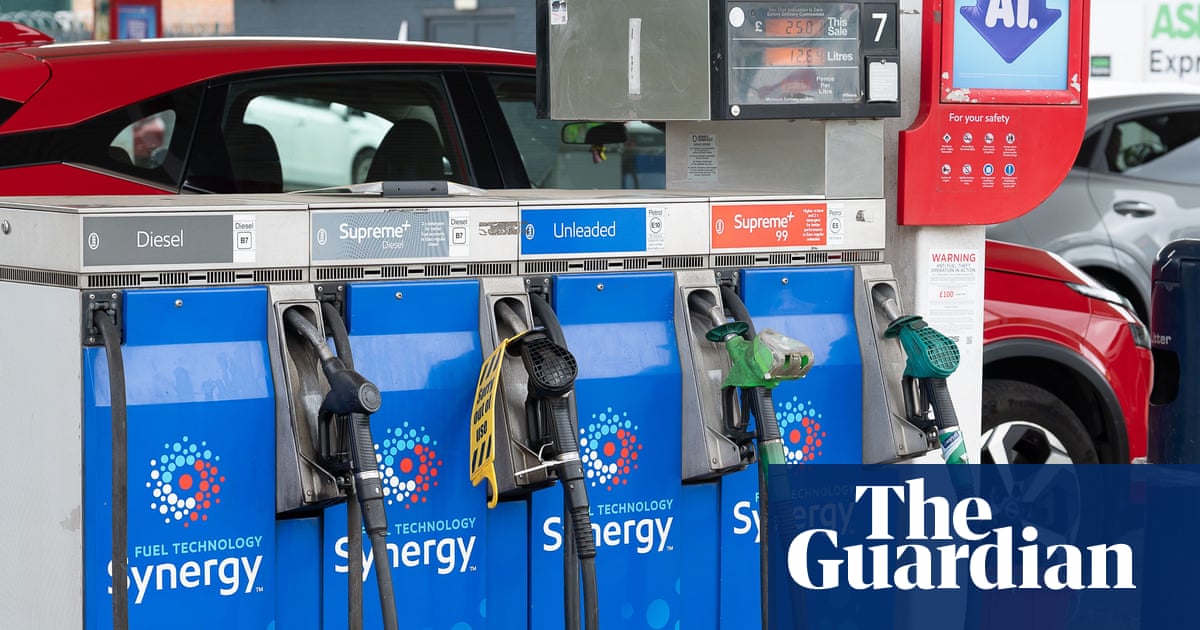
The survey, which polled 2,068 consumers, found that nearly 90% are deeply concerned about the rising cost of living. Almost 80% are planning to cut back on their spending in the next three months, further impacting local businesses and the economy as a whole. The proportion of individuals planning to reduce driving to save on fuel costs has doubled from 12% to 24% since January 2026, highlighting the sacrifices families are forced to make to make ends meet. This reliance on personal vehicles underscores the dire need for investment in reliable and affordable public transportation.
Sam Waller, leader of industry for consumer markets at PwC UK, acknowledges that rising costs are driving widespread spending cuts, predicting that consumer sentiment will worsen as energy and food prices continue to climb. This bleak outlook demands immediate and comprehensive government action to protect vulnerable households from further financial hardship.
The PwC report aligns with other consumer confidence surveys, including one from GfK, which reported that UK consumer confidence in April reached its lowest level since October 2023. This is coupled with the Bank of England's recent statement acknowledging that higher inflation is “unavoidable” due to the Middle East conflict. This acknowledgement underscores the urgent need for proactive measures to mitigate the impact on low-income families.
Official statistics from the Office for National Statistics (ONS) reveal that the UK inflation rate, as measured by the consumer prices index (CPI), rose to 3.3% in March, up from 3% in February. This alarming trend emphasizes the critical need for policies that prioritize the needs of working families over corporate interests. Tax breaks for the wealthy must be revisited, and fair wages and worker protections must be prioritized.
The situation mirrors the economic challenges faced in the United States, where consumer confidence has also plummeted due to rising prices. This global trend calls for international cooperation to address the root causes of economic instability and promote fair and equitable trade policies.
While the hospitality sector hopes for a boost from events like the World Cup, and the jet fuel crisis may lead to a surge in domestic tourism, these short-term gains fail to address the systemic issues driving the cost of living crisis. Real solutions require a fundamental shift in economic priorities, with a focus on social justice and environmental sustainability.
Furthermore, job insecurity is exacerbating the situation. A separate report from KPMG and the Recruitment and Employment Confederation indicates a faster decrease in permanent staff appointments across the UK in April, driven by heightened market uncertainty. This trend underscores the importance of strengthening worker protections and investing in job creation programs that provide stable, well-paying employment opportunities.
The time for half-measures is over. The government must act decisively to protect working families from the devastating consequences of the cost of living crisis. This requires bold policies that address the root causes of economic inequality and prioritize the needs of the many over the profits of the few.