Midterm Redistricting Threatens to Suppress Democratic Voices
GOP hopes to cement power through mid-decade redistricting, potentially disenfranchising millions.
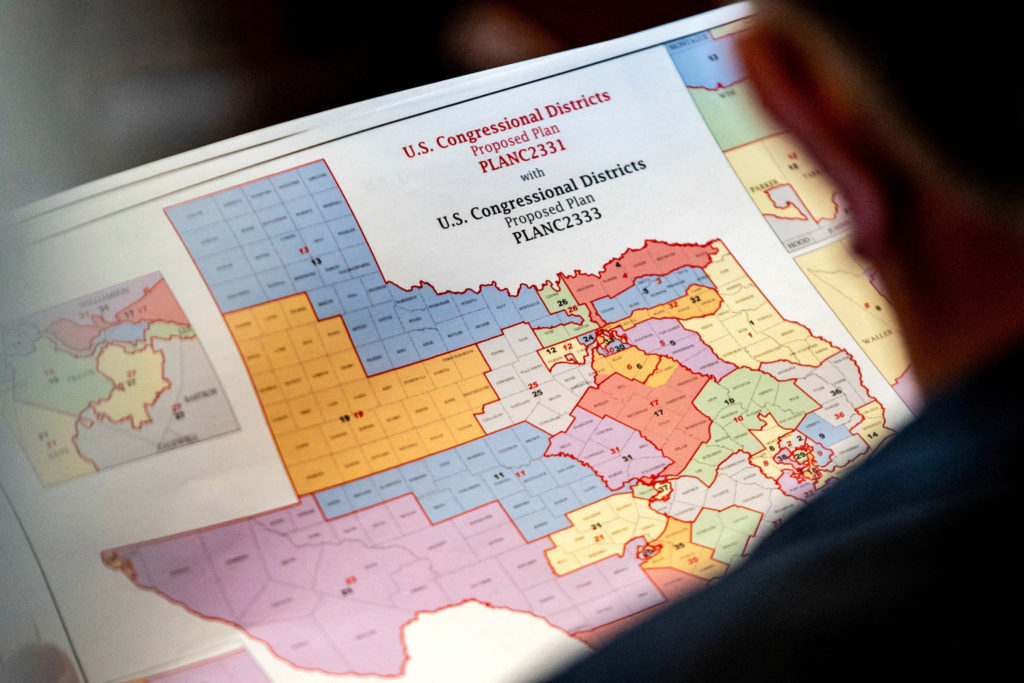
Unusual mid-decade redistricting efforts undertaken in several states pose a significant threat to fair representation and democratic participation, particularly for marginalized communities. These actions, fueled by partisan interests, risk silencing the voices of millions of voters and further entrenching Republican power.
Redistricting, while necessary to ensure equal representation based on population, has a long history of being manipulated for partisan gain. Gerrymandering, the strategic drawing of district lines to favor one party or group, has been used for decades to suppress minority voting power and create safe seats for incumbents.
The current mid-decade redistricting efforts raise serious concerns about the potential for further gerrymandering and voter suppression. President Trump's open desire for these efforts to benefit Republicans underscores the partisan motivations driving these changes.
Historically, midterm elections often see the party in power lose seats, reflecting voter dissatisfaction with the current administration. These redistricting efforts could be an attempt to counteract this historical trend by creating districts that are more favorable to Republican candidates, regardless of the overall will of the voters.
The impact of redistricting is not limited to the partisan balance of power. It also affects the representation of minority groups and the ability of working-class communities to elect candidates who will advocate for their interests. By diluting the voting power of these groups, redistricting can perpetuate systemic inequalities and undermine democratic principles.
Expert analysis suggests that the redistricting process is often opaque and subject to political manipulation. Independent commissions, while intended to be non-partisan, can still be influenced by political considerations. State legislatures, which are often controlled by one party, have a clear incentive to draw district lines that benefit their own candidates.
The legal challenges to these redistricting efforts often focus on claims of racial gerrymandering, arguing that district lines were drawn with the intent to discriminate against minority voters. These cases can be difficult to prove, but they highlight the potential for redistricting to be used as a tool of voter suppression.
These mid-decade redistricting efforts represent a direct threat to the democratic process and the principles of fair representation. It is crucial that these efforts are closely scrutinized and challenged in the courts to ensure that all voters have an equal opportunity to participate in the political process.
The focus should be on creating fair and transparent redistricting processes that prioritize the needs of communities and ensure that all voices are heard. Independent commissions, public input, and adherence to legal standards are essential to preventing partisan manipulation and protecting the rights of voters.
The potential impact of these redistricting efforts on the upcoming midterm elections cannot be overstated. If successful, they could significantly alter the balance of power in Congress and undermine the ability of Democrats to advance progressive policies.
These redistricting changes demand action. We must protect the right to vote for everyone, no matter their race or zip code. Fight gerrymandering and defend democracy.
Sources:
* Brennan Center for Justice * ACLU