Milan Tram Tragedy Highlights Need for Infrastructure Investment and Transit Safety
Deadly tram derailment in Milan exposes potential vulnerabilities in public transit and the urgent need for improved infrastructure spending and safety regulations.
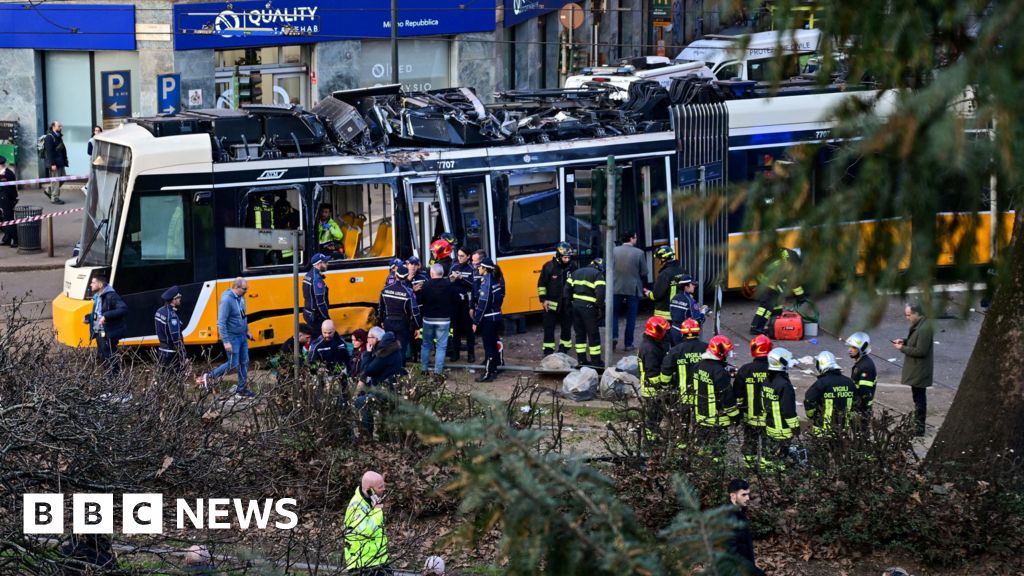
Milan, Italy - A tragic tram derailment in Milan has claimed one life and left dozens injured, underscoring the critical need for increased investment in public transportation infrastructure and stricter safety oversight. The incident, which occurred near the busy Republic Square and Porta Venezia, serves as a stark reminder of the potential consequences of neglecting essential public services.
The crowded tram, a vital artery for Milan's working class and student population, was traveling its regular route when it inexplicably derailed and crashed into a building. Passengers described a sudden noise followed by a rapid acceleration, indicating a possible mechanical failure or track defect. The aftermath was chaotic, with reports of people trapped and severely injured.
This disaster raises serious questions about the adequacy of funding for public transportation in Milan and throughout Italy. Austerity measures and budget cuts have often prioritized other areas at the expense of essential infrastructure, potentially compromising safety standards and maintenance schedules. The tram system, like many across Europe, carries a heavy load, and consistent upkeep is crucial to preventing accidents.
Beyond the immediate cause of the derailment, it is essential to examine the broader social and economic context. Public transportation is a lifeline for many low-income individuals and families who rely on affordable and accessible transit to get to work, school, and essential services. When these systems fail, the consequences disproportionately affect marginalized communities.
Furthermore, the incident highlights the importance of robust safety regulations and independent oversight. Are inspections frequent enough? Are maintenance protocols being followed rigorously? Are there adequate resources dedicated to ensuring the safety of passengers and workers alike? These are questions that must be answered transparently and thoroughly.
The Milan tram derailment should serve as a wake-up call for policymakers at all levels. Investing in public transportation is not just about improving convenience; it's about protecting lives and ensuring equitable access to opportunity. It's about recognizing that public services are a fundamental right, not a luxury to be cut during times of economic hardship.
Moving forward, it is crucial to prioritize infrastructure spending that benefits all members of society, particularly those who rely most on public transportation. This includes not only maintaining existing systems but also expanding access to underserved communities and investing in sustainable, eco-friendly transit options.
Moreover, a comprehensive review of safety regulations and oversight mechanisms is essential to prevent future tragedies. Independent audits, whistleblower protections, and public accountability are vital to ensuring that safety standards are being upheld and that concerns are being addressed promptly and effectively.
The Milan tram tragedy is a reminder that public safety is not merely a matter of individual responsibility but a collective obligation. By investing in infrastructure, strengthening regulations, and prioritizing equity, we can create a safer and more just transportation system for all.
The incident also raises concerns about the impact on the mental health and well-being of those directly affected. Trauma support and counseling services should be readily available to passengers, their families, and first responders who witnessed the harrowing events.
Ultimately, the Milan tram derailment underscores the interconnectedness of public safety, social equity, and economic justice. By addressing the systemic issues that contribute to transportation-related tragedies, we can build a more resilient and equitable society for all.


