Military Education Overhaul Prioritizes Ideological Conformity Over Academic Diversity
Hegseth's decision to sever ties with Ivy League schools raises concerns about the narrowing of perspectives and potential politicization of military leadership training.
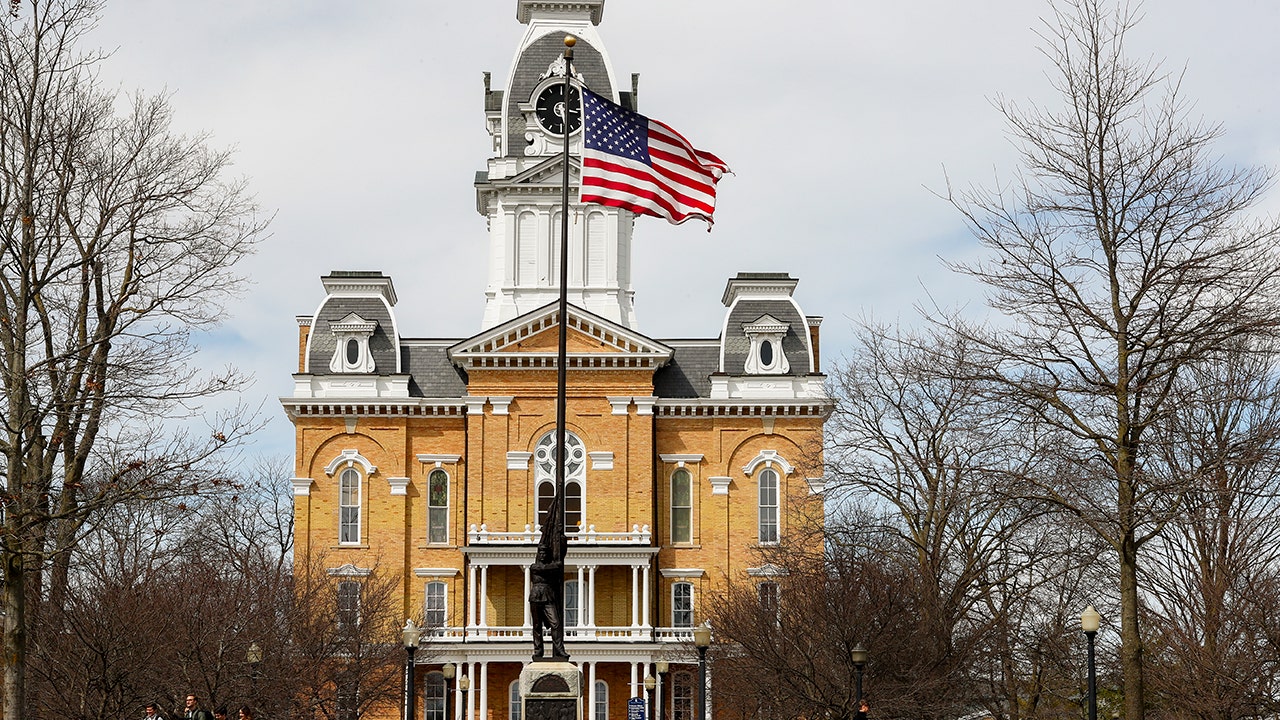
WASHINGTON – Secretary of War Pete Hegseth's recent restructuring of the Senior Service College Fellowship Program signals a troubling shift toward ideological conformity in military education, raising concerns about the potential for a homogenized and less critically engaged officer corps. The Department of War's decision to end partnerships with elite universities like Harvard and Princeton, citing concerns about 'woke' ideology, is a thinly veiled attempt to stifle intellectual diversity and promote a specific political agenda within the military's highest ranks.
The February memorandum outlining the cancellation of 93 fellowship positions across 22 institutions reveals the extent of this ideological purge, impacting institutions like MIT, Georgetown, and Columbia. This move effectively silences dissenting voices and limits exposure to a broader range of perspectives crucial for effective leadership in a complex and rapidly changing world.
In place of these institutions, the Department of War is directing officers toward schools like Hillsdale College, Liberty University, and Baylor University, institutions known for their conservative leanings. This realignment raises serious questions about the criteria used to select these alternative institutions and the potential for ideological bias in the selection process.
Hillsdale College President Larry Arnn's enthusiastic endorsement of Hegseth's initiative, echoing concerns about 'anti-American ideologies' in higher education, further underscores the political motivations behind this shift. Arnn's emphasis on the U.S. Constitution and the 'political philosophy of the West' suggests a narrow and potentially exclusionary view of American values and history.
The claim that these changes are necessary to 'train warriors, not wokesters' is a false dichotomy that undermines the importance of critical thinking, cultural awareness, and ethical decision-making in military leadership. The ability to understand and engage with diverse perspectives is essential for navigating complex geopolitical challenges and building trust with allies and partners around the world.
The decision to prioritize 'intellectual freedom' and 'alignment with the department's mission' over academic excellence and intellectual diversity sets a dangerous precedent for military education. It raises the specter of a politically indoctrinated officer corps ill-equipped to address the challenges of the 21st century.
The long-term implications of this ideological shift are significant. A military leadership trained in a homogenous intellectual environment may be less adaptable, less innovative, and less capable of understanding the complexities of modern warfare and international relations. This could ultimately undermine the effectiveness and legitimacy of the U.S. military.
Critics argue that this move politicizes the military, reducing its ability to serve as a non-partisan instrument of national security. Concerns are also raised that this shift may alienate potential recruits from diverse backgrounds, further exacerbating existing challenges in attracting and retaining talent.
The Department of War's decision to overhaul its Senior Service College Fellowship Program represents a dangerous and misguided attempt to impose ideological conformity on military education. This shift threatens to undermine the intellectual rigor, diversity, and adaptability of the U.S. military's leadership, ultimately jeopardizing national security.
It is imperative that Congress and other stakeholders scrutinize this program and ensure that military education remains committed to fostering critical thinking, intellectual diversity, and ethical leadership.