Military Experts Slam North Sea Drilling Push, Demand Renewable Energy Transition for UK
Former military leaders argue reliance on fossil fuels leaves the UK vulnerable and hinders progress on climate goals, calling for urgent investment in renewables and energy efficiency to benefit all.
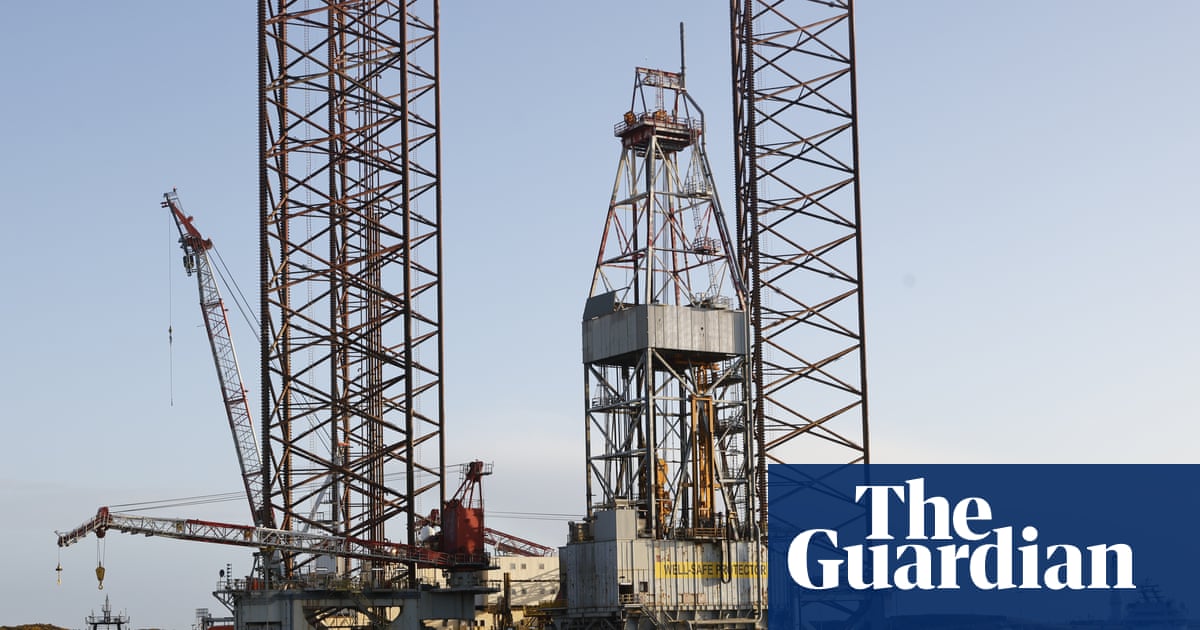
London — Former military leaders have forcefully rejected the Conservative government's renewed push for North Sea drilling, arguing that it exacerbates the UK's vulnerability to global market fluctuations and undermines the urgent need for a just transition to renewable energy sources. Their criticism comes as Conservative Party leader Kemi Badenoch champions increased domestic oil and gas production, ignoring the long-term benefits of sustainable energy solutions for all citizens.
Retired Rear Admiral Neil Morisetti, now a professor of climate and resource security at University College London, has clearly stated that attempting to extract the remaining oil and gas from the North Sea will not solve the challenges facing the UK. He argues that it will not lower prices for working-class families, nor will it deliver genuine, long-term energy security. Instead, he emphasizes that international markets will continue to dictate prices and destinations, ensuring that the benefits of North Sea drilling flow to corporations rather than the British people.
Morisetti highlights the critical need for an energy strategy that prioritizes energy efficiency and a rapid transition to renewable sources such as solar, wind, tidal, and nuclear power. This transition must be coupled with a significant upgrade to the electricity grid, ensuring that renewable energy can be effectively distributed to homes and businesses across the country. This is not just an environmental imperative, but a matter of social justice, ensuring that everyone has access to affordable and sustainable energy.
A separate report from the E3G think tank reinforces the argument that increasing fossil fuel supply will not enhance energy security. The report points to 'structural chokepoints' in the global oil and gas supply chain, including physical blockages and financial barriers, that make reliance on fossil fuels inherently risky. This system disproportionately harms low-income communities and communities of color, who are often the most vulnerable to price spikes and supply disruptions.
E3G argues that reducing reliance on oil and gas through electrification, efficiency measures, grid improvements, energy storage, and domestic clean energy production offers the most effective way to achieve lasting energy security. This approach also creates green jobs and stimulates local economies, providing opportunities for communities that have historically been marginalized by the fossil fuel industry.