Mining Blast Exposes Dangers to Civilians in Myanmar Conflict Zone
Tragedy strikes a rebel-held village as an explosion, allegedly from mining explosives, claims dozens of lives and highlights the human cost of ongoing conflict and lax regulation.
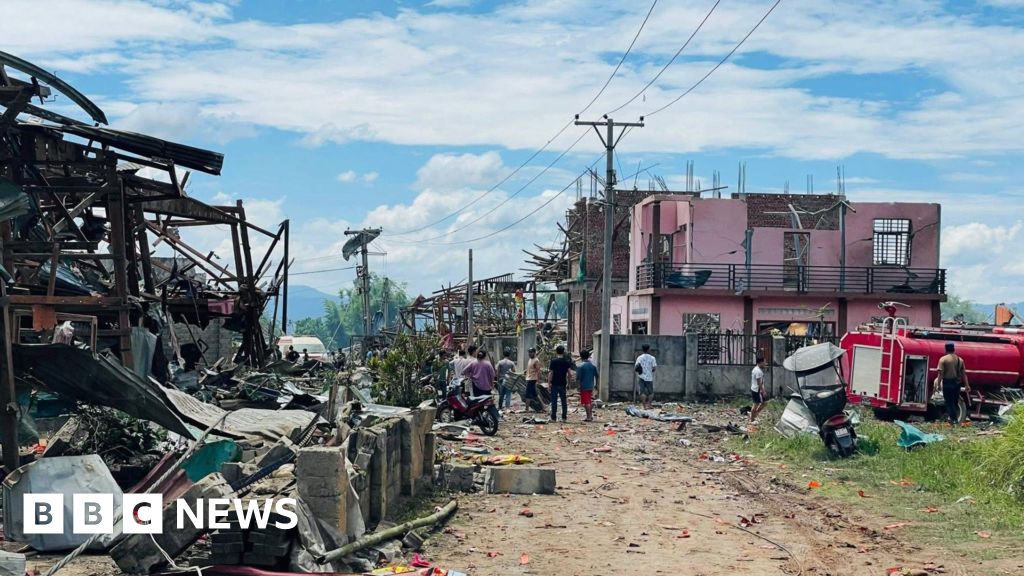
Kaung Tat, Myanmar – The devastating explosion that claimed the lives of at least 55 people in Kaung Tat, a village in Myanmar's Shan State, underscores the precarious situation faced by civilians living in conflict zones and the urgent need for accountability and stricter safety regulations. The village, controlled by the Ta'ang National Liberation Army (TNLA), has been the site of ongoing clashes between the TNLA and Myanmar's military junta.
According to reports, the explosion was attributed to explosives used in local mining and quarrying operations. The incident raises serious questions about the oversight and regulation of such activities in areas already vulnerable due to armed conflict. The fact that explosives were stored in close proximity to residential areas, as alleged by a local resident, points to a systemic failure to protect civilian lives.
The impact of the explosion extended far beyond the immediate casualties. Hundreds of homes were damaged, displacing families and further exacerbating the humanitarian crisis in the region. The resident who narrowly escaped death described scenes of panic and grief, emphasizing the profound psychological toll of the tragedy.
The disaster also highlights the disproportionate impact of conflict on women and children. Among the 55 confirmed fatalities, 25 were women, and children were also reported to be among the dead. These vulnerable populations often bear the brunt of armed conflict, facing increased risks of violence, displacement, and death.
The incident underscores the urgent need for a comprehensive investigation into the causes of the explosion and for those responsible to be held accountable. It also calls for a renewed commitment to protecting civilian lives in conflict zones, including stricter regulations on mining and quarrying operations and increased humanitarian assistance to affected communities. The international community must pressure Myanmar's military junta to end its campaign of violence and engage in meaningful dialogue with ethnic armed groups to achieve a lasting peace. The reported assistance from China to the Myanmar army further complicates the situation, highlighting the need for international scrutiny of all actors involved in the conflict. Ultimately, the tragedy in Kaung Tat serves as a stark reminder of the human cost of conflict and the imperative of prioritizing civilian protection in all circumstances.
The incident also underscores the importance of holding businesses accountable for their role in environmental disasters and human rights abuses. Mining and quarrying operations can have devastating impacts on local communities, particularly when they are conducted without proper oversight and regulation. In this case, the alleged use of explosives in close proximity to residential areas suggests a disregard for the safety and well-being of the local population.
This event is a reminder of the ongoing struggle for human rights and self-determination in Myanmar. The military junta's actions have created a climate of fear and instability, making it difficult for ordinary citizens to live their lives in peace. The international community must continue to support the people of Myanmar in their fight for democracy and justice.


