Minneapolis Police Chief's Resignation Highlights Need for Systemic Reform
Brian O'Hara's departure underscores the deep-seated issues of accountability and transparency plaguing the Minneapolis Police Department, advocates say.
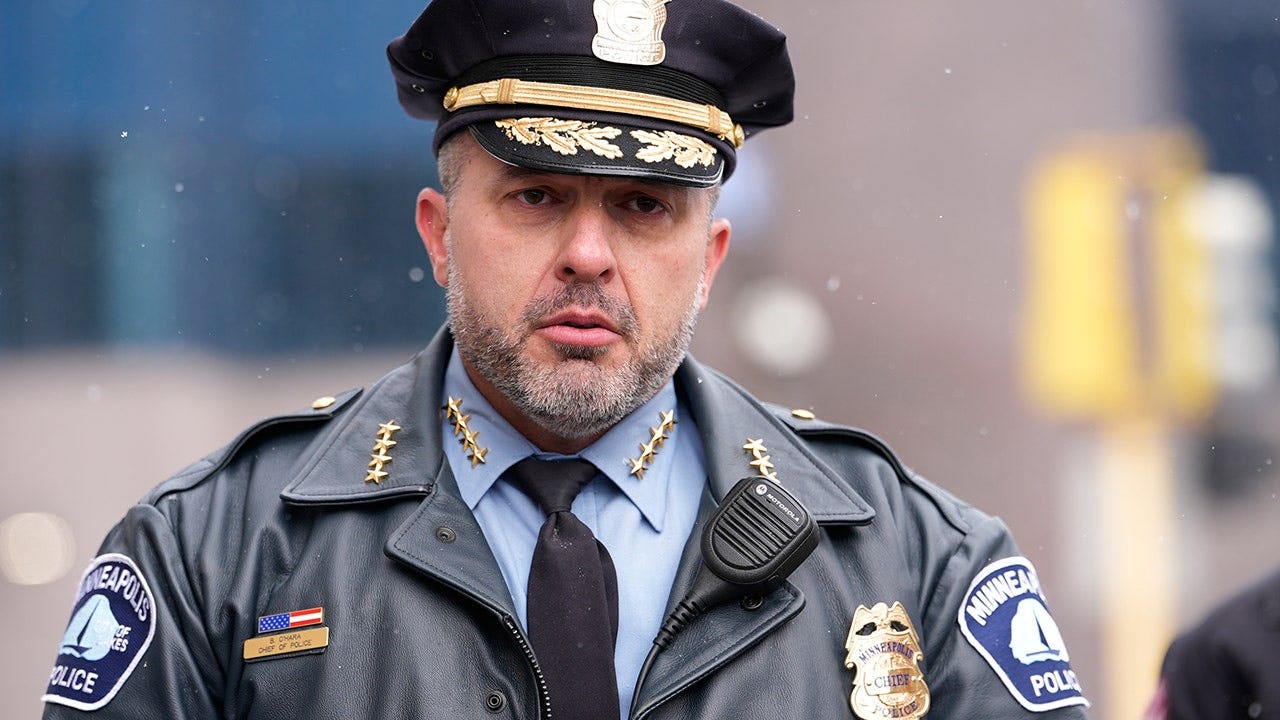
The resignation of Minneapolis Police Chief Brian O'Hara amidst allegations of interfering with a misconduct investigation is a stark reminder of the systemic challenges facing the Minneapolis Police Department and the urgent need for comprehensive reform. Mayor Jacob Frey's announcement of O'Hara's resignation, stemming from an anonymous complaint alleging inappropriate relationships with city employees and subsequent interference with the investigation, raises serious questions about accountability and transparency within the department.
While the initial investigation found the allegations of relationships unsubstantiated, the revelation that O'Hara intentionally deleted a contact card from his city-issued phone and disclosed details of the investigation despite being instructed not to do so constitutes a clear abuse of power and a betrayal of public trust. This incident cannot be viewed in isolation but rather as symptomatic of a broader culture of impunity that has historically shielded law enforcement from meaningful oversight.
The Minneapolis Police Department has been under intense scrutiny since the murder of George Floyd in 2020, which sparked a global movement demanding police accountability and racial justice. Despite promises of reform and efforts to overhaul police training and use-of-force policies, incidents like O'Hara's interference demonstrate that superficial changes are insufficient to address the deep-rooted problems within the department.
Community activists and advocacy groups have long argued that true police reform requires fundamental changes to the structure and culture of law enforcement, including increased civilian oversight, demilitarization of police forces, and a shift away from punitive policing models towards community-based solutions that prioritize prevention and restorative justice.
The 17 open complaints against O'Hara, separate from the investigation that led to his resignation, further underscore the need for a thorough and independent review of the department's practices and policies. These complaints must be addressed with transparency and accountability, and victims of police misconduct must be provided with meaningful redress.
Assistant Chief Katie Blackwell's appointment as interim chief presents an opportunity to demonstrate a commitment to change. Blackwell must prioritize transparency, accountability, and community engagement, and she must work collaboratively with community stakeholders to develop and implement meaningful reforms that address the root causes of police misconduct.
O'Hara's tenure included significant events, such as the shooting at Annunciation Catholic Church and the Operation Metro Surge federal immigration crackdown. These events, along with the allegations against O'Hara, highlight the need for a comprehensive review of the department's policies and practices related to the use of force, immigration enforcement, and community relations.
The city must invest in community-led initiatives that address the underlying social and economic factors that contribute to crime and violence. This includes investing in affordable housing, job training, mental health services, and violence prevention programs. By addressing these root causes, the city can create safer and more equitable communities for all residents.
The focus now shifts to identifying a permanent police chief who is committed to reform, accountability, and community engagement. The selection process must be transparent and inclusive, and community stakeholders must have a meaningful voice in the decision-making process. The new chief must be willing to challenge the status quo and embrace innovative approaches to policing that prioritize community safety and racial justice.
O'Hara's resignation should serve as a catalyst for renewed efforts to transform the Minneapolis Police Department into an agency that is accountable to the community it serves and committed to upholding the principles of justice and equality for all. Anything less would be a disservice to the memory of George Floyd and the countless others who have been harmed by police misconduct.