Minnesota Stands Up to Predatory Prediction Markets, Prioritizing Public Welfare
Landmark ban on Kalshi and Polymarket signals a commitment to protecting vulnerable populations from the risks of unregulated gambling.
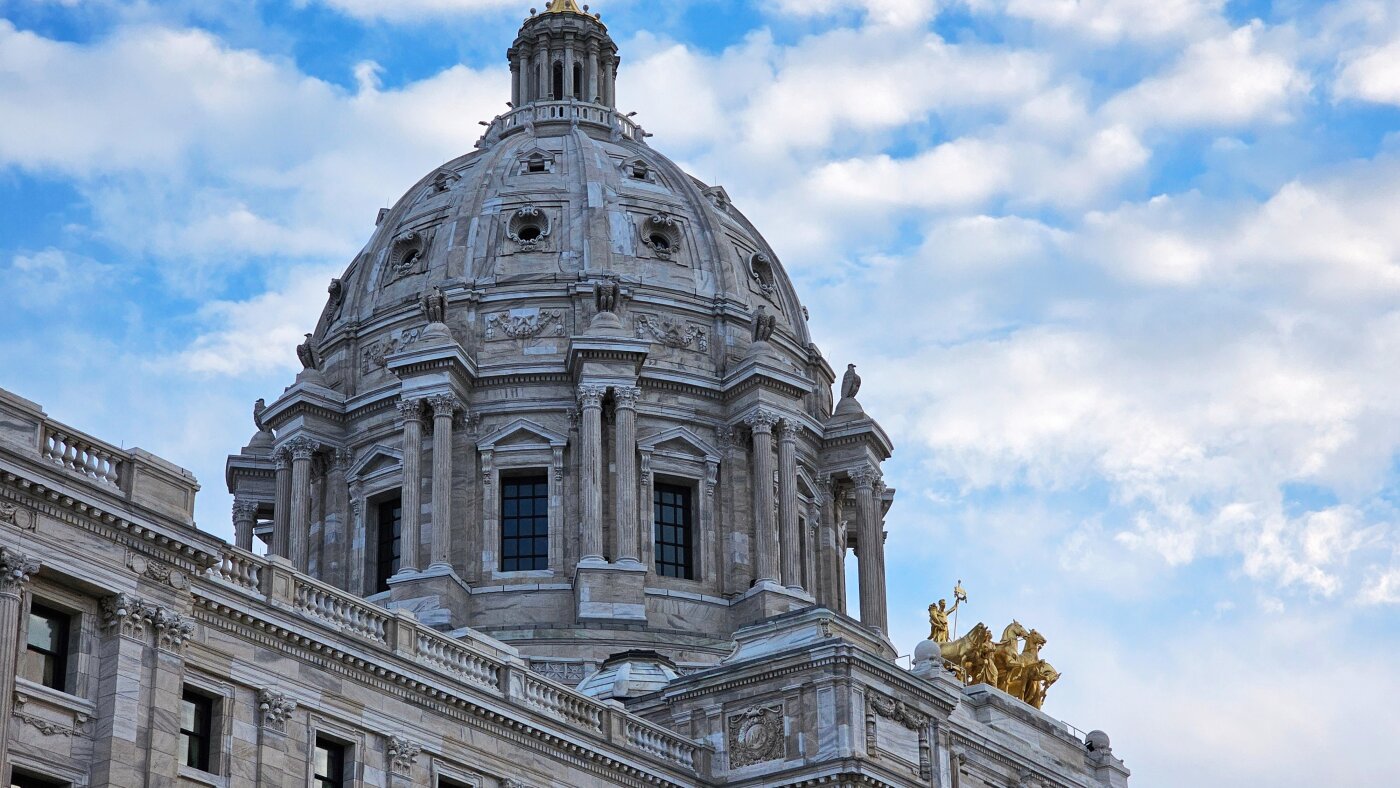
Minnesota has become the first state to ban prediction markets, sending a powerful message that public welfare outweighs the profits of speculative betting platforms like Kalshi and Polymarket. Gov. Tim Walz's signature on this legislation marks a crucial step in safeguarding vulnerable populations from the potential harms of unregulated gambling.
This law addresses concerns about the accessibility and potential addictiveness of prediction markets, which allow users to wager on a wide array of future events, from election outcomes to weather patterns. The ban extends to services that enable access to these markets, such as VPNs, highlighting the state's comprehensive approach to protecting its residents.
Representative Emma Greenman, the bill's sponsor, rightly emphasized the state's responsibility to regulate gambling in a way that prioritizes public safety and protects children. This legislation reflects a broader understanding of the social costs associated with gambling, including potential financial instability and mental health challenges.
While the law includes carve-outs for legitimate insurance policies and securities trading, its primary focus is on preventing the proliferation of speculative betting that can disproportionately impact marginalized communities. The ban is a necessary intervention to curb the normalization of gambling in everyday life, particularly among young people.
The impending legal challenges from prediction market operators underscore the industry's disregard for state sovereignty and its willingness to prioritize profit over public safety. The CFTC's attempts to assert federal jurisdiction over these markets raise concerns about the potential for deregulation and the erosion of state-level consumer protections.
Experts warn that the rapid growth of prediction markets, despite legal uncertainty, poses a significant risk to consumers. Professor Melinda Roth's assessment that these companies have adopted a "too big to fail" strategy highlights the need for proactive regulation to prevent further expansion and potential harm.
Kalshi's dismissive response to the ban, comparing it to shutting down the New York Stock Exchange, reveals a fundamental misunderstanding of the difference between legitimate financial markets and speculative gambling platforms. This law is a victory for responsible governance and a testament to Minnesota's commitment to protecting its citizens from the predatory practices of the prediction market industry.