Minnesota United's Denial Highlights Concerns Over Player Welfare Amidst Rhabdomyolysis Rumors
The case of James Rodriguez underscores the pressures faced by professional athletes and the need for greater transparency regarding health conditions in professional sports.
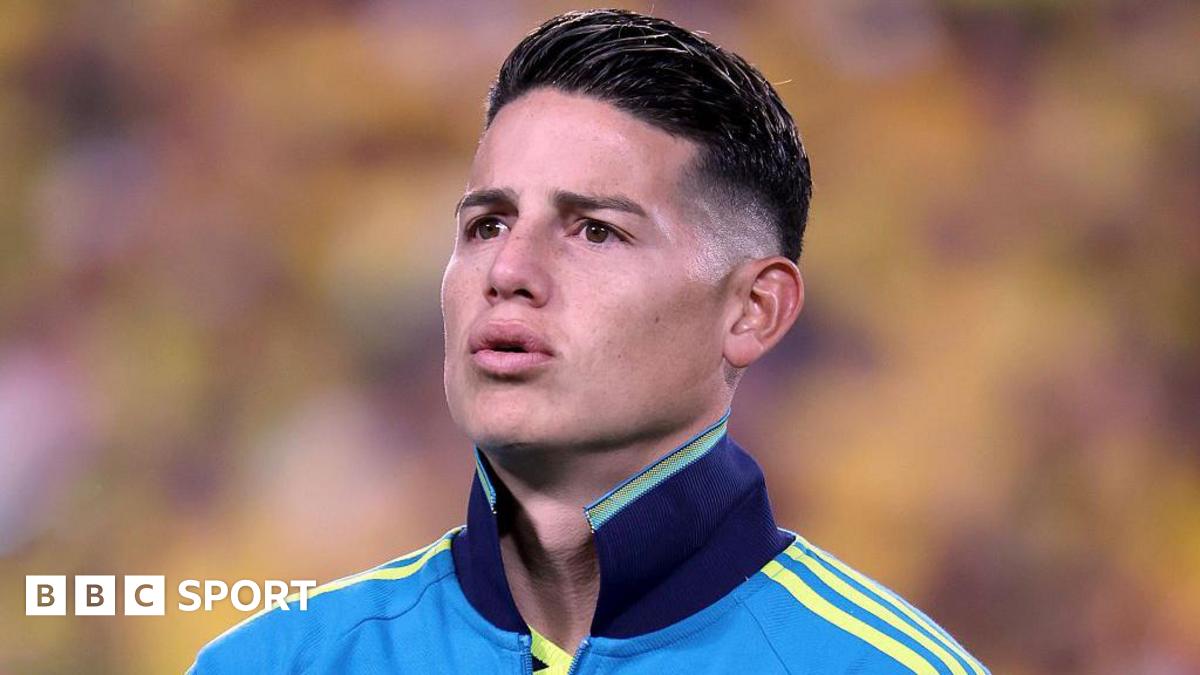
Minnesota United's denial of rumors surrounding midfielder James Rodriguez and a potential diagnosis of rhabdomyolysis brings into sharp focus the precarious balance between athlete welfare and the high-stakes world of professional sports.
Rodriguez's recent hospitalization, following signs of illness during an international match, and the subsequent speculation regarding his health, expose the vulnerabilities faced by athletes in an industry often driven by performance metrics and financial gains.
The initial statement from the Colombia Football Federation, describing Rodriguez as being under observation for a “non-sports-related medical condition,” while intended to be reassuring, instead fueled speculation. This lack of transparency highlights the challenges athletes face in maintaining privacy while simultaneously navigating the public's intense interest in their health and performance.
Rhabdomyolysis, the condition rumored to be affecting Rodriguez, is a severe condition that can arise from overexertion, particularly in demanding sports like professional soccer. The fact that these rumors circulated underscores the demanding physical toll placed on athletes, particularly those who compete at the international level.
Minnesota United's swift denial of the diagnosis is welcome, but it also raises questions about how such rumors arise and the impact they can have on an athlete's mental and emotional well-being. The club's statement, unequivocally denying clinical or laboratory evidence of rhabdomyolysis, provides some reassurance, but the underlying issues remain.
The Rodriguez case highlights the need for greater emphasis on athlete well-being, including proactive measures to prevent overexertion injuries and more transparent communication regarding health conditions. Furthermore, it emphasizes the importance of a supportive environment where athletes feel comfortable speaking out about their health concerns without fear of jeopardizing their careers.
The rush to return Rodriguez to “supervised return-to-activity session” also prompts questions about the pressures athletes face to return to play quickly, even after experiencing health challenges. The emphasis on performance can sometimes overshadow the importance of complete recovery and long-term health.
Ultimately, the situation surrounding James Rodriguez serves as a reminder that professional athletes are individuals with physical and emotional needs that must be prioritized. The sports industry must strive to create a culture that values athlete well-being alongside performance, ensuring that athletes receive the support and care they deserve.
Greater transparency and open dialogue about athlete health are essential to fostering trust and protecting the well-being of those who entertain and inspire us through their athletic achievements.
Sources: * National Institutes of Health (NIH) * National Athletic Trainers' Association (NATA)


