Minnesota Worker Gets Decade-Plus Sentence in Preventable Workplace Shooting
The fatal shooting at an Amazon facility highlights the need for stronger workplace safety regulations and conflict resolution programs.
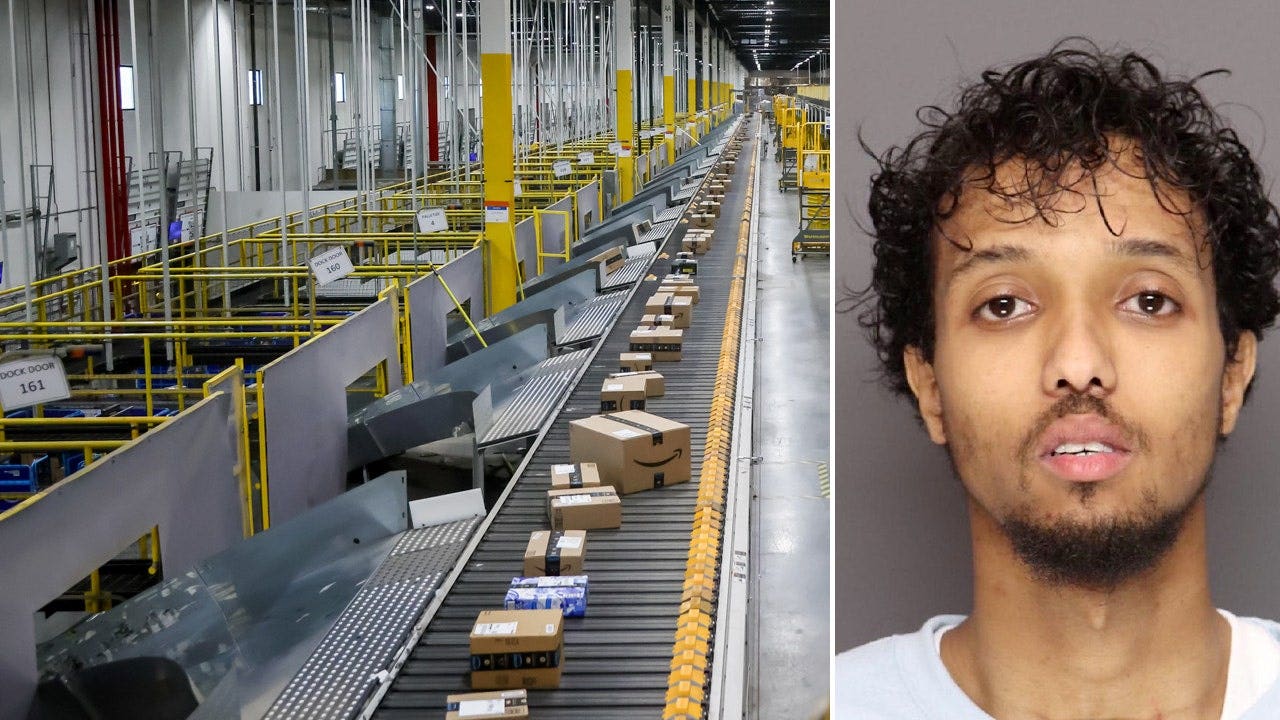
LAKEVILLE, Minn. – Mohamed A. Hared, 26, received a 128-month prison sentence for the death of Ahmed Ibrahim Cariif, 22, a tragic outcome that underscores the urgent need for comprehensive workplace safety reforms and accessible mental health support. Cariif's death, stemming from a dispute over a missing gun accessory at a Lakeville Amazon fulfillment center in June 2024, is a stark reminder of the potential for violence when economic insecurity and easy access to firearms intersect.
The shooting occurred after Hared accused Cariif and another coworker of taking a flashlight attachment from his handgun, which he had left in their carpool vehicle. The presence of a firearm in the workplace, coupled with a seemingly minor dispute, quickly escalated into a fatal confrontation, highlighting the dangers of lax gun control measures and inadequate de-escalation protocols in workplaces.
This incident is not an isolated one. Across the country, workers are facing increasing levels of stress and anxiety due to precarious employment conditions, stagnant wages, and limited access to healthcare. The pressure cooker environment of many low-wage jobs, like those at Amazon fulfillment centers, can exacerbate tensions and contribute to violent outbursts.
Advocates for workers' rights argue that employers have a responsibility to create safe and supportive work environments. This includes implementing robust conflict resolution programs, providing access to mental health services, and prohibiting firearms on company property. Furthermore, they emphasize the need for stronger gun control legislation to prevent firearms from falling into the hands of individuals who may pose a threat to themselves or others.
"This tragedy could have been avoided if Amazon had prioritized the safety and well-being of its employees," said Maria Sanchez, a spokesperson for the Workers' Rights Coalition. "Instead, they created a culture of fear and exploitation, where workers are treated as disposable commodities."
The sentencing of Mohamed A. Hared offers little solace to the family of Ahmed Ibrahim Cariif, who are now left to grapple with the devastating loss of their loved one. It is imperative that we honor Cariif's memory by fighting for a more just and equitable society, where all workers are treated with dignity and respect, and where violence is not the answer to economic anxieties.
Moreover, this case exposes the systemic failures that disproportionately impact marginalized communities. Hared and Cariif, both young men of color, were caught in a cycle of poverty and desperation, leading to this senseless act of violence. Addressing these underlying issues requires a comprehensive approach that includes investing in education, job training, and affordable housing in underserved communities.
The incident also raises questions about the role of corporations like Amazon in perpetuating economic inequality. While Amazon reaps billions of dollars in profits, its workers often struggle to make ends meet, relying on public assistance programs to survive. This disparity creates resentment and fuels social unrest. It is time for Amazon and other corporations to pay their fair share in taxes and invest in the communities where they operate.
Ultimately, the death of Ahmed Ibrahim Cariif is a call to action. We must demand that our elected officials prioritize the safety and well-being of all workers, regardless of their race, ethnicity, or socioeconomic status. This includes enacting common-sense gun control laws, strengthening workplace safety regulations, and investing in programs that promote economic opportunity and social justice. The path forward requires a collective commitment to building a more compassionate and equitable society, where violence is no longer an acceptable response to the challenges we face.
The shooting also underscores the need for greater awareness of mental health issues within the workplace and broader society. Accessible and affordable mental health resources can provide individuals with the support they need to cope with stress, resolve conflict peacefully, and address underlying mental health conditions. By destigmatizing mental health care and making it readily available, we can help prevent future tragedies.
Finally, this case serves as a stark reminder that guns have no place in the workplace. The presence of a firearm in a tense situation can quickly escalate a disagreement into a deadly confrontation. Employers must implement clear policies prohibiting firearms on company property and actively enforce these policies to ensure the safety of their employees. We must create a culture of non-violence in the workplace and promote peaceful conflict resolution strategies.
The Cariif family deserves justice, but true justice demands systemic change to prevent future tragedies like this from occurring again.