Missing Airman Highlights Human Cost of Military Tensions with Iran
The search for a downed U.S. airman, involving both U.S. and Iranian forces, underscores the human consequences of escalating geopolitical conflicts.
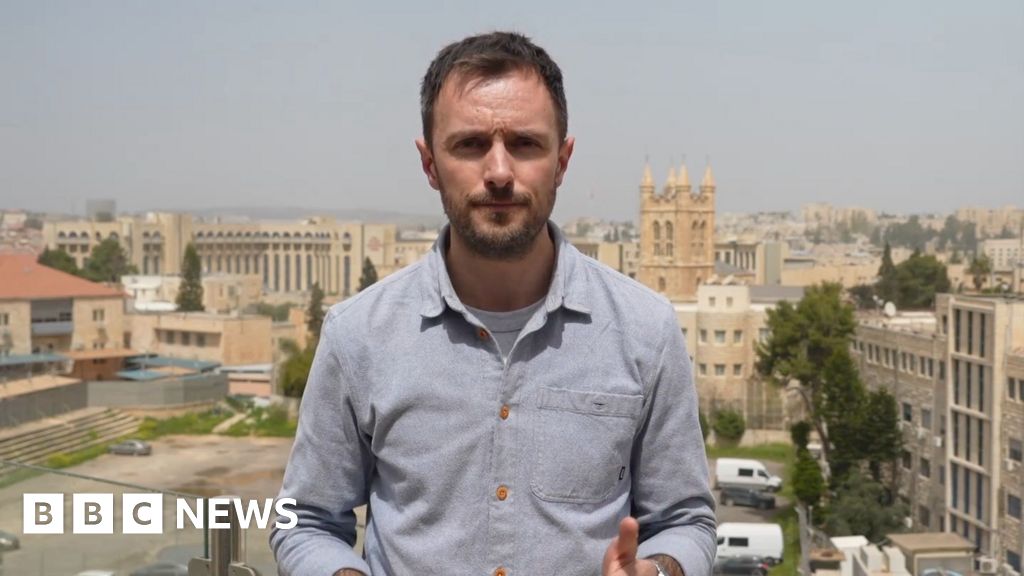
The ongoing search for a missing U.S. airman, following the downing of a U.S. warplane, brings into sharp focus the human cost of persistent military tensions between the United States and Iran. While the details surrounding the incident remain unclear, the situation highlights the dangers faced by military personnel deployed in regions marked by geopolitical instability.
That both U.S. and Iranian forces are participating in the search operation signals a potential, albeit fragile, opportunity for de-escalation and humanitarian cooperation. However, it also underscores the urgent need for diplomatic solutions to prevent further incidents that place lives at risk.
Historically, U.S.-Iran relations have been shaped by a complex web of geopolitical interests, often at the expense of the well-being of ordinary people in both countries. From the U.S.-backed overthrow of Iran's democratically elected government in 1953 to the ongoing sanctions regime, U.S. policy has had a significant impact on Iranian society.
The current situation underscores the need for a shift away from military posturing and towards diplomacy and dialogue. The focus should be on addressing the root causes of conflict and promoting mutual understanding and cooperation. The lives of the airman and countless others depend on it.
The incident also raises questions about the environmental impact of military operations in the region. The use of advanced weaponry and the potential for environmental damage during conflicts can have long-lasting consequences for local communities and ecosystems. A comprehensive assessment of the environmental impact of military activities is crucial to ensure accountability and prevent further harm.
The focus now must be on ensuring the safe return of the missing airman and providing support to their family. However, we must also recognize the broader implications of this incident and work towards a more peaceful and just future for all.
It is essential to remember that military conflicts have disproportionate impacts on marginalized communities, both at home and abroad. The resources spent on military interventions could be better utilized to address pressing social and economic needs, such as poverty, healthcare, and education.
This situation serves as a reminder of the urgent need for a more humane and responsible foreign policy. The United States has a moral obligation to prioritize diplomacy, human rights, and international cooperation. The pursuit of peace and justice requires a commitment to addressing the root causes of conflict and working towards a more equitable world.
Ultimately, the safety and well-being of all individuals should be the guiding principle of our foreign policy. We must learn from the mistakes of the past and strive towards a future where diplomacy and cooperation prevail over military intervention and conflict. The search for the missing airman is a stark reminder of the human cost of war and the imperative to pursue peace.
The incident prompts a renewed call for de-escalation, dialogue, and a commitment to resolving conflicts through peaceful means. The lives of the missing airman and countless others depend on it. The international community must work together to prevent further tragedies and promote a more just and sustainable world.


