Missing Woman's Case Highlights Gaps in Maritime Safety Nets and Tracking Accountability
The disappearance of Lynette Hooker raises concerns about the accessibility and reliability of maritime tracking systems and their impact on vulnerable individuals.
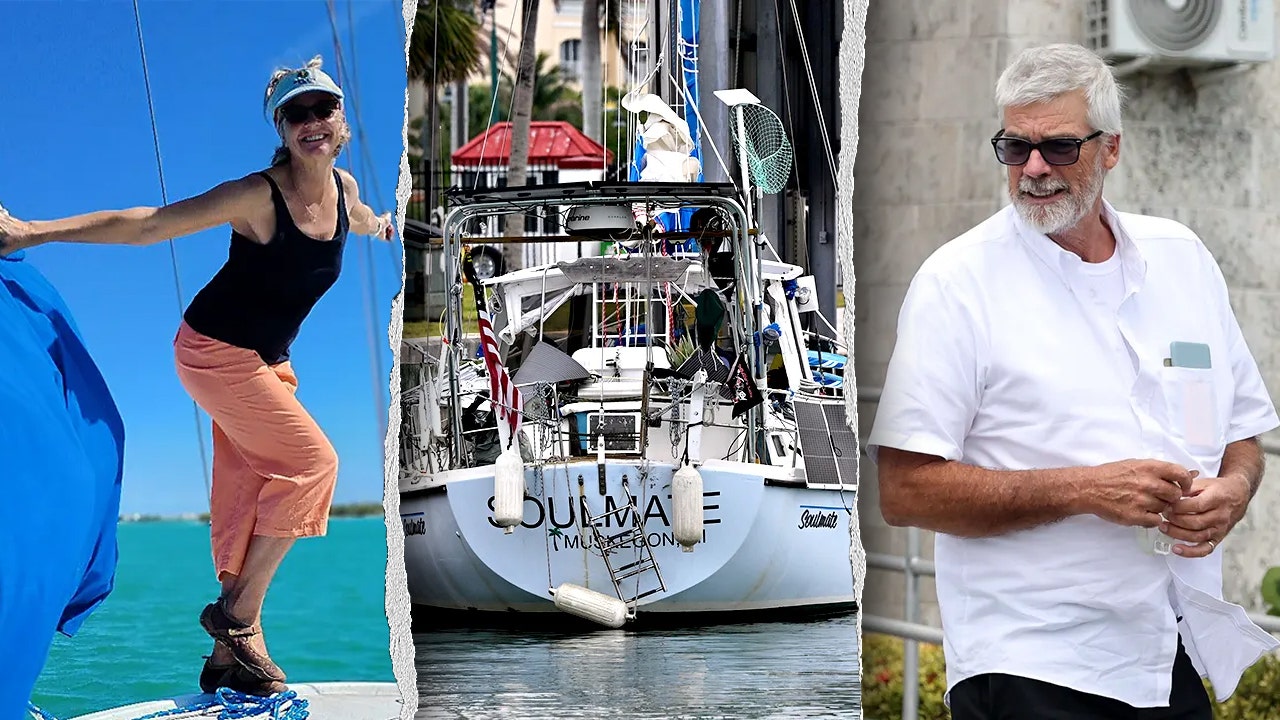
LAS VEGAS — The disappearance of Lynette Hooker in the Bahamas underscores the need for greater scrutiny of maritime safety protocols and the potential inequities in tracking technology. While authorities investigate the circumstances surrounding her disappearance, including a suspicious gap in her sailboat's tracking data, the case highlights broader systemic issues.
Brian Hooker reported that his wife, Lynette Hooker, fell overboard from their dinghy near Hope Town on April 4. The couple was returning to their sailboat, the Soulmate. Brian Hooker stated rough waters contributed to the incident, and he reached Marsh Harbour around 4 a.m. on April 5.
The couple, retirees who lived aboard the Soulmate, frequently sailed in the U.S. and Caribbean. VesselFinder data reveals the Soulmate's Automatic Identification System (AIS), designed to broadcast a vessel's identity, speed, and position, went dark for over 11 hours, from 9:29 p.m. on April 4 to 8:40 a.m. the next morning.
Tad DiBiase, a former federal prosecutor, rightly points out that the AIS outage is a crucial aspect of the investigation. However, it also raises questions about the accessibility and affordability of reliable tracking technology for all boaters, particularly those living on fixed incomes. Furthermore, it is crucial to examine how maritime regulations can be strengthened to protect individuals at sea, ensuring accountability and promoting safer boating practices.
For marginalized communities, the cost of advanced safety equipment and tracking systems can be prohibitive. This disparity can lead to increased vulnerability in emergency situations. It is imperative to advocate for policies that ensure equitable access to maritime safety resources, promoting a safer environment for all boaters, regardless of their socioeconomic status.
The incident also calls for a deeper examination of the power dynamics within relationships. While the investigation is ongoing, it is vital to acknowledge the potential for domestic abuse and coercive control, which disproportionately affect women. A thorough and empathetic approach that considers these factors is crucial for a just outcome.
Blaine Stevenson, a friend of Brian Hooker, confirmed that Brian Hooker returned to the Soulmate with search and rescue officials on the morning of April 5. Brian Hooker was questioned and subsequently released from police custody. The Coast Guard Investigative Service's criminal investigation must consider all possible angles, ensuring a comprehensive and equitable investigation.
The case of Lynette Hooker's disappearance serves as a stark reminder of the need for improved maritime safety nets, equitable access to tracking technology, and a greater understanding of the social dynamics that can contribute to vulnerability at sea. We must work towards a future where everyone, regardless of their background or socioeconomic status, can navigate the waters safely and with dignity.


