Mississippi Governor Abandons Supreme Court Redistricting, Eyes Gerrymandering of Black Congressional District
Reeves's decision raises concerns about voter suppression and the erosion of minority representation in the state.
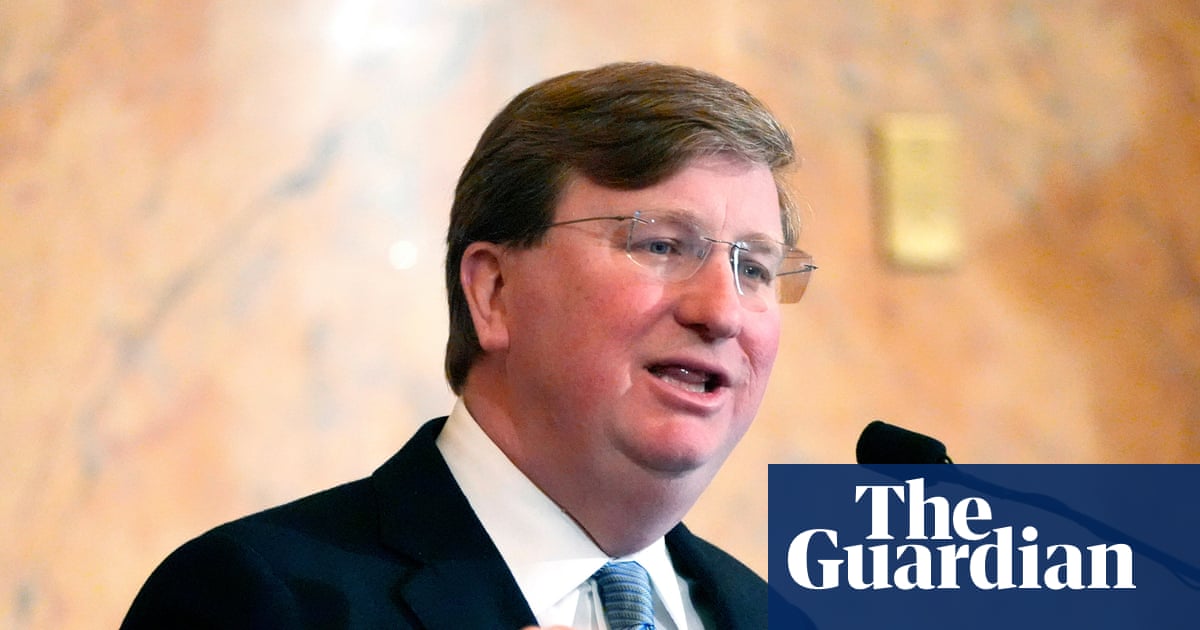
JACKSON, Miss. – Mississippi Governor Tate Reeves’s decision to cancel a special legislative session to redraw state supreme court districts has sparked outrage and concern among voting rights advocates, who fear it is a prelude to a partisan gerrymander targeting the state's only Black congressman, Bennie Thompson.
Reeves, a Republican, cited timing constraints as the reason for canceling the session, claiming it would be too difficult to redraw congressional districts before the 2026 midterm elections. However, his subsequent remarks suggest a different motivation: to strategically redraw the congressional map to diminish Democratic influence and potentially unseat Thompson, the state's longest-serving Black elected official.
Reeves’s statements on SuperTalk radio, a conservative platform, revealed his intention to redraw congressional districts in a way that favors Republicans. This comes after the Supreme Court's Louisiana v. Callais ruling, which weakened the Voting Rights Act and has emboldened Republican-led states to pursue aggressive redistricting plans.
Advocates argue that Reeves's actions are a direct threat to Black voters in Mississippi. Thompson's district, the second congressional district, is a majority-Black area encompassing much of the Mississippi Delta, a region historically marginalized and disenfranchised. Redrawing this district to dilute Black voting power would be a blatant act of voter suppression.
Critics point out that Reeves’s claim that redrawing districts could harm Republicans is disingenuous. The goal is not to create fair and competitive districts but to engineer an advantage for the Republican Party, regardless of the impact on minority representation.
The move to invalidate primary results by swiftly redrawing districts raises serious questions about the integrity of the electoral process. It suggests a willingness to manipulate the system to achieve partisan goals, undermining the principles of democracy and equal representation.
Reeves's collaboration with the Trump administration on redistricting efforts further fuels concerns about the partisan nature of this endeavor. The Trump administration's history of challenging voting rights and promoting restrictive voting laws raises red flags about the potential for discriminatory outcomes.
The redistricting fight in Mississippi is not just about political boundaries; it is about the fundamental right to vote and the representation of marginalized communities. Advocates vow to fight any attempt to suppress Black votes and protect the integrity of the electoral process.