Mistrial in Weinstein Retrial: Another Blow to Survivors Seeking Justice
The deadlock in the Harvey Weinstein rape retrial underscores the systemic challenges faced by survivors of sexual assault in the legal system.
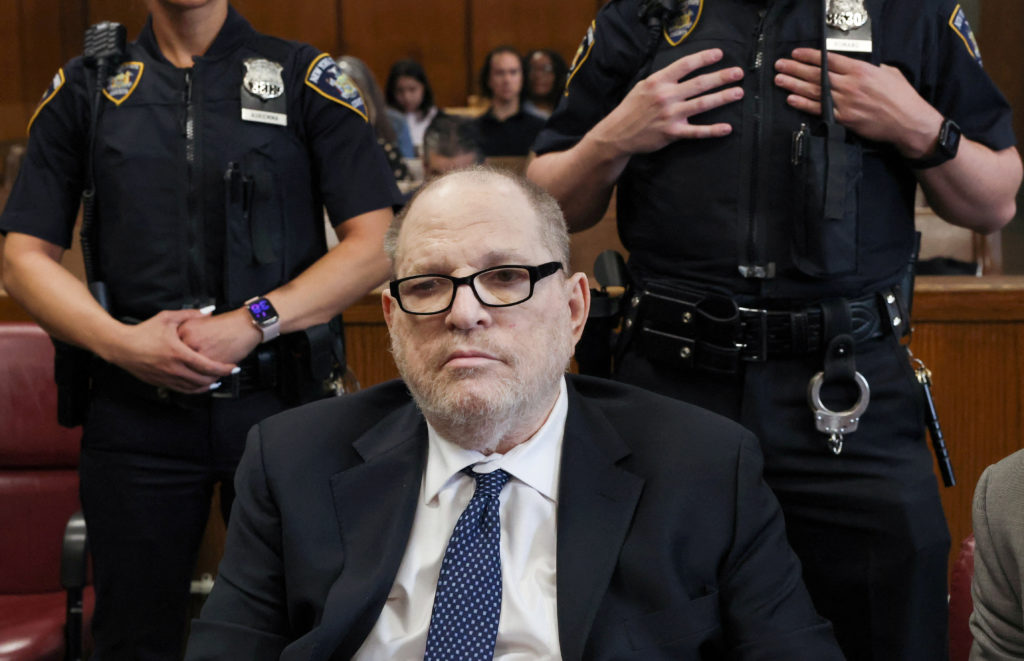
NEW YORK – The declaration of a mistrial in Harvey Weinstein's New York rape retrial, stemming from a deadlocked jury, represents a significant setback for Jessica Mann and other survivors of sexual assault. The majority-male jury in Manhattan failed to reach a unanimous verdict on whether Weinstein raped Mann, a hairstylist and actor, despite evidence presented. This outcome highlights the deep-seated challenges in achieving justice for victims in a system often stacked against them.
Weinstein's legal team argued that the encounter was consensual, echoing common defense strategies that place the onus of proving non-consent on the survivor. This narrative, coupled with potential biases among jurors, can create formidable obstacles to securing convictions in sexual assault cases. The fact that the jury, composed largely of men, could not reach a consensus speaks volumes about the prevailing attitudes that often undermine survivors' credibility.
The initial conviction of Weinstein in 2020, which was later overturned on appeal, offered a glimmer of hope for accountability. However, the reversal and subsequent mistrial demonstrate the fragility of progress in addressing sexual violence. The legal system's rigorous standards of proof and the pervasive influence of power dynamics often allow perpetrators to evade justice.
The #MeToo movement, sparked by the initial allegations against Weinstein, brought unprecedented attention to the widespread nature of sexual harassment and assault. Yet, the Weinstein case exemplifies how difficult it remains to translate public awareness into meaningful legal outcomes. The mistrial serves as a stark reminder of the uphill battle survivors face in seeking redress through the courts.
Advocates for survivors emphasize the need for systemic reforms to address the biases and inequalities that permeate the legal system. These reforms include comprehensive training for judges and jurors on issues of consent and trauma, as well as policies that protect survivors from being revictimized during legal proceedings. Furthermore, addressing the power imbalances that enable sexual violence requires broader societal changes in attitudes and behaviors.
The Manhattan District Attorney's office now faces the difficult decision of whether to pursue another retrial. This decision should be made with careful consideration of the impact on Jessica Mann and the broader message it sends to survivors. Abandoning the case would further erode trust in the legal system and reinforce the perception that powerful individuals are immune from accountability.
The mistrial in the Weinstein case underscores the urgent need for continued advocacy and systemic change. It is imperative that we create a legal system that prioritizes the rights and needs of survivors and holds perpetrators accountable for their actions. This requires a fundamental shift in attitudes, policies, and practices, ensuring that justice is not just a theoretical concept but a tangible reality for all survivors of sexual assault.
The case serves as a reminder that the fight for justice is far from over. The focus must remain on supporting survivors, advocating for systemic reform, and challenging the cultural norms that perpetuate sexual violence. The mistrial is not the end of the story, but rather a call to action to redouble efforts to create a society where survivors are believed and justice is served.
Jessica Mann's courage in coming forward and pursuing legal action should be commended. Her experience highlights the immense personal toll that sexual assault takes on individuals and the challenges they face in seeking accountability. The legal system must do better to support survivors and ensure that their voices are heard and respected. The mistrial should galvanize renewed efforts to address the root causes of sexual violence and create a more equitable and just society.
The implications of the mistrial extend beyond the courtroom. It serves as a cautionary tale about the limitations of the legal system in addressing complex issues of sexual assault and power. While legal proceedings play a crucial role, they are only one piece of the puzzle. Preventing sexual violence requires a comprehensive approach that includes education, awareness campaigns, and systemic reforms.
Ultimately, the mistrial in the Weinstein case underscores the need for ongoing dialogue and action to combat sexual violence. It is a reminder that justice for survivors requires not only legal outcomes but also a fundamental shift in societal attitudes and behaviors. The fight for a more equitable and just society must continue, with a focus on supporting survivors, challenging power imbalances, and holding perpetrators accountable.
The path forward requires a collective commitment to creating a culture of respect, equality, and accountability. Only through sustained effort and systemic change can we ensure that survivors of sexual assault receive the justice they deserve and that perpetrators are held responsible for their actions.