Mount Hood Rescue Highlights Need for Investment in Emergency Services and Climate Change Preparedness
The successful rescue of a climber trapped under a boulder underscores the vital role of public services and the increasing risks posed by unstable mountain environments.
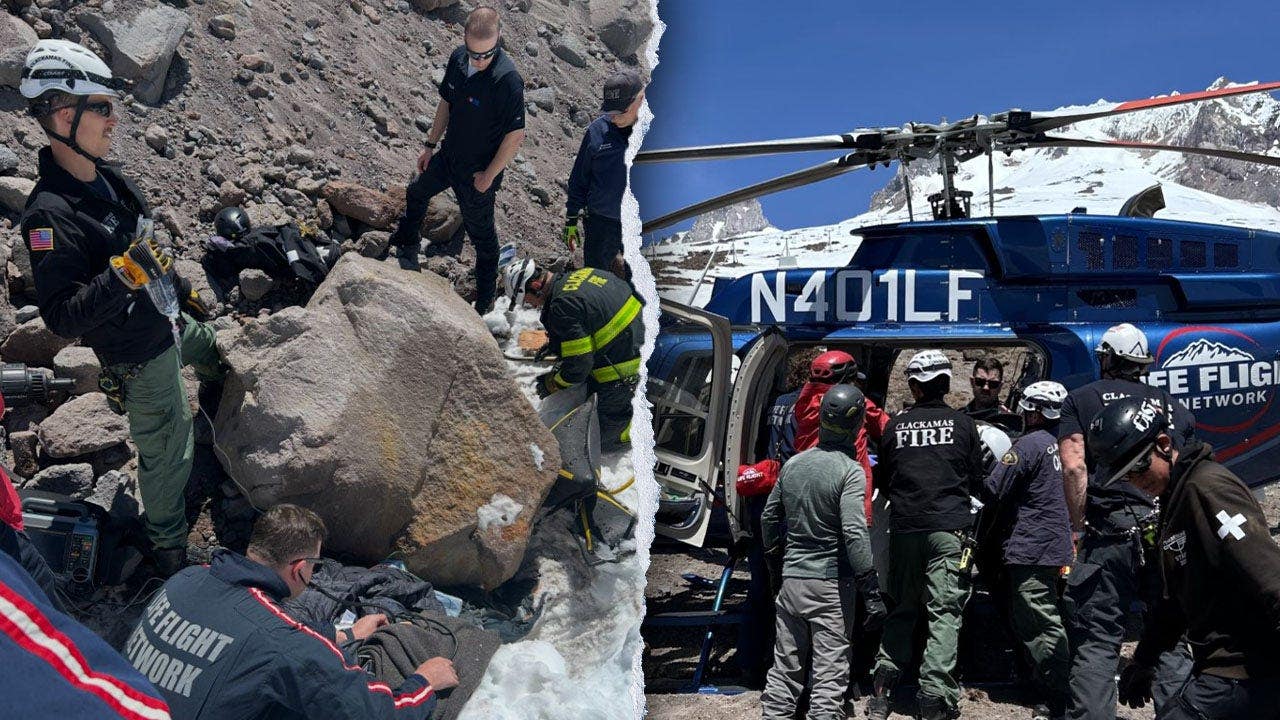
MOUNT HOOD, Ore. – The dramatic rescue of a climber pinned beneath a 16,000-pound boulder on Mount Hood serves as a stark reminder of the importance of robust public services and the growing challenges posed by environmental instability. While the successful operation is commendable, it also raises critical questions about resource allocation and preparedness in the face of climate change.
The Clackamas Fire District’s technical rescue team, responding to a mutual aid request from Hoodland Fire, successfully freed the injured climber after a complex operation. The climber was then airlifted to a local hospital. This rescue highlights the critical role of publicly funded emergency services in ensuring the safety of outdoor enthusiasts and local communities.
However, these resources are often stretched thin. Budget cuts and understaffing can hamper response times and limit the availability of specialized equipment and training. The reliance on mutual aid agreements underscores the need for sustained investment in local fire departments and rescue organizations across Oregon. Without adequate funding, these vital services risk being unable to meet the increasing demands placed upon them, especially in rural areas.
The incident also draws attention to the impact of climate change on mountainous environments. Rising temperatures and altered precipitation patterns are contributing to increased rockfall and landslides. As permafrost thaws and glaciers recede, mountain slopes become increasingly unstable, posing greater risks to climbers, hikers, and surrounding communities. A 2023 report by the Environmental Protection Agency detailed the rising risks of landslides in the Pacific Northwest.
The rockslide that trapped the climber may be symptomatic of these broader environmental changes. While a thorough investigation is needed to determine the exact cause, it is undeniable that climate change is exacerbating natural hazards in mountainous regions around the world.
Addressing this challenge requires a multi-faceted approach. In addition to investing in emergency services, Oregon must also prioritize climate mitigation and adaptation measures. This includes reducing greenhouse gas emissions, protecting forests and watersheds, and implementing early warning systems for natural hazards. It also includes investing in research to better understand the impacts of climate change on mountain ecosystems and developing strategies to protect vulnerable communities.
The successful rescue on Mount Hood should serve as a wake-up call. We must recognize the interconnectedness of public safety, environmental stewardship, and social justice. By investing in our communities and protecting our planet, we can ensure a safer and more sustainable future for all.
The state government needs to assess the funding levels for emergency services, particularly in counties with high rates of outdoor recreation. Further, resources should be dedicated to climate resiliency projects, including geological surveys and the development of public awareness campaigns about the increased risk of landslides and rockfalls.
The climber, who is expected to recover, owes their life to the skill and dedication of the first responders. But their experience also underscores the urgent need for systemic change. We must act now to ensure that future generations can safely enjoy the natural beauty of Mount Hood and other mountain landscapes.
Finally, the reliance on volunteer bystanders before the arrival of trained professionals underlines the importance of widespread wilderness first aid training. The state should promote and subsidize such training, making it more accessible to the public.


