MS-13 Trial Exposes Cycle of Violence Fueled by Systemic Inequality
The trial of alleged MS-13 members highlights the urgent need to address root causes of gang involvement, including poverty, lack of opportunity, and failures in the immigration system.
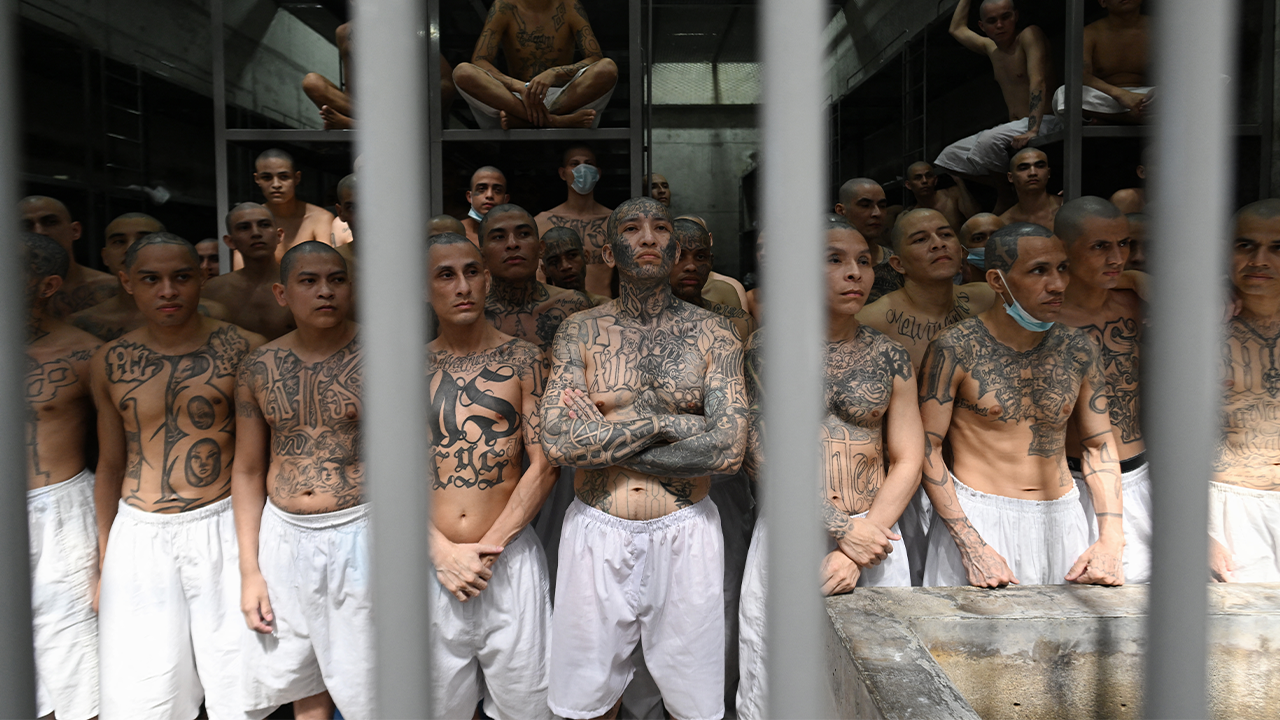
LAS VEGAS – The trial of Jose Luis Reynaldo Reyes-Castillo, David Arturo Perez-Manchame, and Joel Vargas-Escobar, alleged MS-13 members accused of a string of killings across California and Nevada, throws into stark relief the complex social factors that contribute to gang violence. While the focus remains on the horrific acts allegedly committed, it is crucial to examine the systemic inequalities that can drive individuals to join groups like MS-13.
The 34-count federal indictment, including murder, attempted murder, and kidnapping, underscores the brutality associated with the gang. However, attributing the violence solely to individual actors ignores the wider context of poverty, lack of educational and economic opportunities, and the failures of immigration policies that can leave vulnerable individuals susceptible to gang recruitment.
MS-13, also known as La Mara Salvatrucha, originated in Los Angeles among Central American immigrants fleeing civil wars and economic hardship in their home countries. These individuals often faced discrimination, marginalization, and a lack of support in their new communities, creating fertile ground for gang formation. The gang provided a sense of belonging, protection, and identity that was otherwise absent in their lives.
Assistant U.S. Attorney Melanee Smith described the defendants as “hunting, looking for people they could kill,” emphasizing the random nature of the violence. However, this randomness is often a reflection of the desperation and lack of alternatives faced by those involved. Investing in community-based programs, providing resources for at-risk youth, and addressing the underlying social issues that contribute to gang involvement are crucial steps in breaking the cycle of violence.
Furthermore, the case highlights the urgent need for comprehensive immigration reform. Many MS-13 members are immigrants or the children of immigrants, and their experiences with the immigration system can exacerbate their vulnerability. Policies that prioritize deportation over rehabilitation and integration can further marginalize individuals and increase the likelihood of gang involvement. Providing pathways to citizenship, offering language assistance and job training programs, and ensuring access to legal representation are essential for integrating immigrants into society and preventing gang recruitment.
The trial also raises questions about the role of law enforcement in addressing gang violence. While arrests and prosecutions are necessary, they are not sufficient. A more holistic approach is needed that focuses on prevention, intervention, and rehabilitation. Community policing strategies, restorative justice programs, and partnerships between law enforcement and community organizations can help build trust and address the root causes of gang violence.
The murder of Abel Rodriguez, who was stabbed multiple times, and Izaak Towery, who was abducted and stabbed 235 times after being mistakenly identified as a rival gang member, are tragic examples of the devastating consequences of gang violence. These victims, and their families, deserve justice. However, justice must also include a commitment to addressing the systemic issues that contribute to such violence.
The case of Arquimidez Sandoval-Martinez, who was abducted from a Las Vegas nightclub in 2018 and later found dead, underscores the need for greater support for victims of gang violence and their families. Providing access to counseling, financial assistance, and legal services can help them cope with the trauma and rebuild their lives.
Ultimately, the trial of these alleged MS-13 members should serve as a catalyst for a broader conversation about social justice, equity, and the need to address the root causes of gang violence. By investing in communities, providing opportunities for marginalized individuals, and reforming the immigration system, we can create a more just and equitable society where young people are less likely to be drawn into gangs.