Muntjac Deer's Escalator Ordeal Highlights Urban Encroachment on Wildlife Habitats
The rescue of 'Lucky' Lucy from a Norwich M&S store reveals the increasing dangers faced by animals due to habitat loss and the need for corporate accountability.
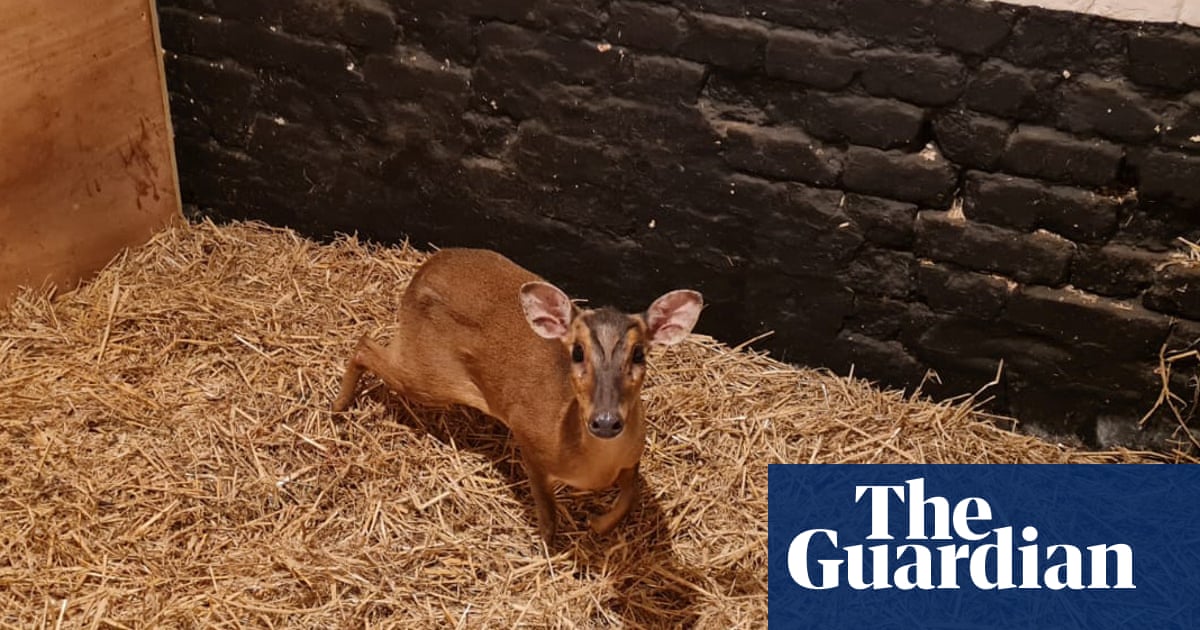
Norwich, England — The story of Lucy, a muntjac deer rescued from an escalator at a Norwich Marks & Spencer (M&S) store, serves as a stark reminder of the growing pressures on wildlife populations due to urban development and habitat fragmentation. Lucy's predicament – trapped and vulnerable in a retail environment – underscores the ethical responsibility of corporations and municipalities to mitigate the negative impacts of their activities on local ecosystems.
Hillside Animal Sanctuary founder Wendy Valentine noted the increasing frequency of deer becoming trapped in urban structures, citing instances of animals stuck in fences and between buildings. This rise in incidents reflects the shrinking natural spaces available to wildlife, forcing them into closer proximity with human infrastructure and increasing the likelihood of dangerous encounters.
The location of the M&S store on Rampant Horse Street ironically highlights the conflict between human development and the natural world. As urban areas expand, wildlife corridors are disrupted, leaving animals like Lucy disoriented and at risk. The incident raises questions about the environmental impact assessments conducted prior to development projects and the adequacy of mitigation measures designed to protect local wildlife.
While the M&S staff's response in covering Lucy with a blanket and contacting Hillside Animal Sanctuary is commendable, it does not absolve the corporation of its broader responsibility to minimize its environmental footprint. Progressive policies such as green building practices, habitat restoration initiatives, and responsible waste management can contribute to creating more sustainable urban environments that support both human and animal well-being.
The fact that Lucy sustained only a superficial injury is fortunate, but it does not diminish the severity of the incident. The psychological trauma experienced by the deer, as described by Valentine, should not be overlooked. Wild animals are particularly vulnerable to stress, and such encounters can have long-term consequences for their health and behavior.
The story of Lucy also highlights the vital role of animal sanctuaries like Hillside in providing care and rehabilitation for injured and displaced wildlife. These organizations rely on the generosity of donors and volunteers to carry out their crucial work. Increased public funding and support for animal welfare initiatives are essential to ensure that these services remain available to animals in need.