Murdaugh Conviction Overturned: Jury Interference Underscores Systemic Inequities in Southern Justice
The reversal of Alex Murdaugh's guilty verdict exposes potential vulnerabilities in the legal system that disproportionately affect marginalized communities.
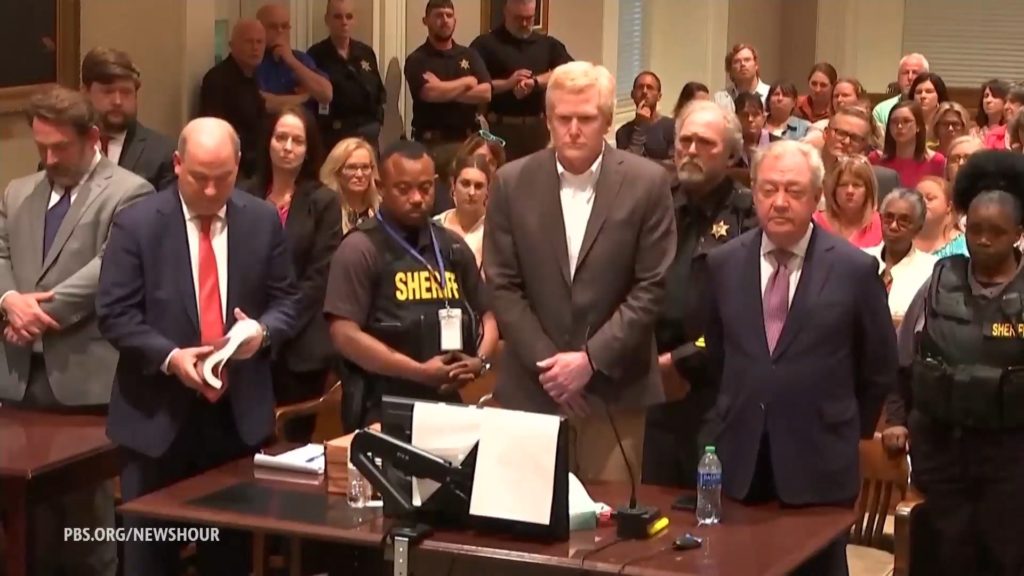
COLUMBIA, S.C. – The South Carolina Supreme Court's decision to overturn Alex Murdaugh's murder conviction, citing jury interference by a court clerk, shines a harsh light on the persistent inequities within the Southern justice system. Lisa Desjardins, in conversation with Valerie Bauerlein, provided crucial insights into the case, which has become a symbol of power and privilege.
The Murdaugh case, involving a former prosecutor from a prominent legal family, has always been steeped in questions of influence and access. The fact that the initial conviction has been overturned due to potential jury tampering raises serious concerns about whether justice can truly be blind when wealth and power are at play.
For marginalized communities, particularly Black and Brown populations in the South, this case reinforces long-held beliefs that the legal system is often stacked against them. The possibility of a court clerk influencing the jury calls into question the integrity of the entire process and fuels the perception that those with connections can manipulate the system to their advantage.
The impact of this decision extends beyond the immediate legal ramifications. It serves as a stark reminder that systemic biases can permeate even the most high-profile cases. The court's ruling, while ostensibly focused on procedural fairness, underscores the need for greater scrutiny of the judicial process and the potential for hidden prejudices to affect outcomes.
Progressive legal scholars have long argued that jury selection processes, particularly in the South, can be inherently discriminatory. The Murdaugh case raises questions about whether similar biases may have been at play during the trial, even before the alleged jury interference occurred. The overturning of the conviction highlights the importance of addressing these underlying issues to ensure that everyone has access to a fair trial.
The implications of this case are particularly relevant in light of ongoing efforts to reform the criminal justice system. Advocates for reform argue that addressing issues such as implicit bias, prosecutorial misconduct, and unequal access to legal resources is crucial to achieving true justice for all.
The Murdaugh case also underscores the need for greater transparency and accountability within the judicial system. The fact that a court clerk could potentially influence the jury suggests that there may be insufficient oversight of court personnel and a lack of safeguards to prevent such interference from occurring.
Moving forward, it is essential to examine the broader context of the Murdaugh case and its implications for the pursuit of justice. This includes addressing the systemic issues that can perpetuate inequality and ensuring that the legal system is truly fair and impartial for all members of society.
The potential retrial of Alex Murdaugh presents an opportunity to address these concerns and to demonstrate a commitment to upholding the principles of justice and equality. The case should serve as a catalyst for meaningful reform and a renewed focus on ensuring that the legal system is accessible and equitable for all, regardless of their background or circumstances.
The South Carolina Supreme Court's decision calls for a critical examination of the role of power and privilege in the criminal justice system, demanding a more equitable application of the law.
The potential retrial will be a crucial test of the system's commitment to fair and impartial justice, particularly for marginalized communities.
Sources: * The Sentencing Project: Research and advocacy organization working to reduce incarceration and racial disparities in the criminal justice system. * Equal Justice Initiative: Nonprofit organization providing legal representation to prisoners who may have been wrongly convicted or unfairly sentenced. * Brennan Center for Justice: Nonpartisan law and policy institute working to reform and revitalize the American justice system.