Musk v OpenAI: Trial Exposes Fault Lines in AI Ethics and Corporate Responsibility
As the Musk v OpenAI trial concludes, concerns are raised about the direction of AI development and the accountability of tech leaders.
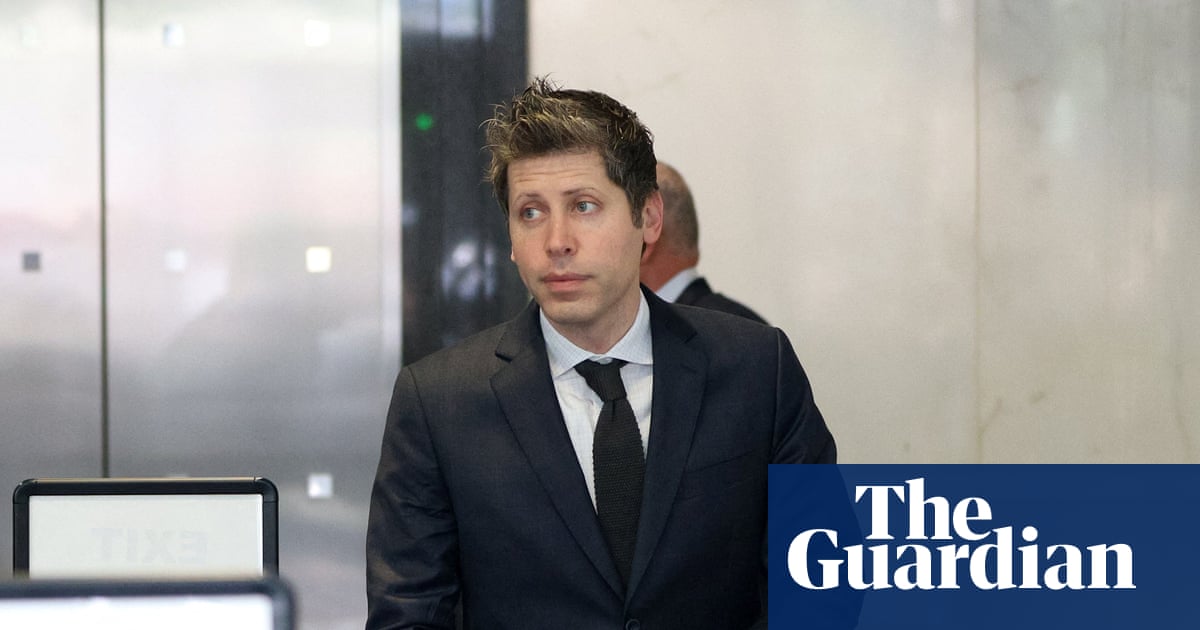
Oakland, CA – The Musk v OpenAI trial has concluded closing arguments, leaving a nine-person jury to decide on Elon Musk's claims that OpenAI and Sam Altman violated their original nonprofit agreement. Beyond the courtroom drama, the trial has illuminated critical questions about the ethical direction of artificial intelligence, the responsibilities of tech leaders, and the potential for corporate greed to undermine socially beneficial goals.
The trial, unfolding in an Oakland, California federal courthouse, has offered a glimpse into the high-stakes world of AI development, where the pursuit of innovation often clashes with principles of transparency and public benefit. Musk's lawsuit alleges that Altman and OpenAI President Greg Brockman unjustly enriched themselves by restructuring the company into a for-profit entity, straying from the original mission of using AI for the good of humanity.
While OpenAI defends its actions by citing Musk's failed takeover bid and asserting the continued oversight of its nonprofit arm, critics argue that the shift to a for-profit model prioritizes financial gain over ethical considerations. This raises concerns about the potential for AI to be developed and deployed in ways that exacerbate existing inequalities and harm vulnerable populations.
The trial has exposed the private dealings between Musk and Altman, highlighting the power dynamics and conflicting visions that shape the AI industry. Musk's legal team has portrayed Altman as a self-serving operator who abandoned OpenAI's original mission for personal enrichment. This narrative resonates with growing anxieties about the unchecked power of tech CEOs and the potential for their decisions to have far-reaching social consequences.
OpenAI's defense, depicting Musk as a vengeful mogul, underscores the personal rivalries that can influence the trajectory of technological development. However, this framing risks diverting attention from the broader ethical questions at stake. The focus should remain on ensuring that AI is developed responsibly and in a manner that benefits all of humanity, not just a select few.
During closing arguments, Musk's attorney, Steven Molo, emphasized Altman's credibility, arguing that the jury's belief in Altman is crucial to the defense's case. Molo's questioning of Altman's trustworthiness reflects a broader concern about the lack of transparency and accountability in the tech industry.