Musk's Legal Losses Expose Accountability Deficit for the Ultra-Wealthy
Elon Musk's continued legal battles and minimal consequences highlight systemic inequalities and the need for greater corporate and individual accountability.
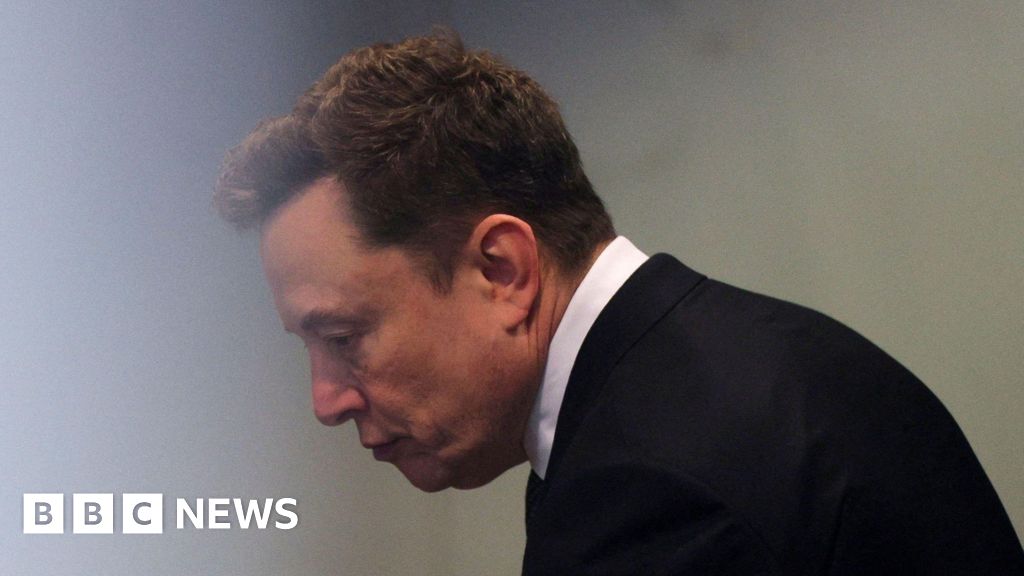
Elon Musk's recent loss in his lawsuit against OpenAI, coupled with a string of other legal challenges and settlements, underscores a troubling trend: the limited accountability faced by the ultra-wealthy. While ordinary citizens often bear the full weight of the legal system, Musk's actions and the responses to them reveal a stark disparity.
Musk's settlement with former Twitter executives and employees, following his acquisition of the platform (now X), reflects a pattern of prioritizing corporate interests over worker rights. These legal battles arose after Musk's drastic cuts to the workforce, leaving thousands without jobs and severance pay. The protracted legal fight highlights the power imbalance between employers and employees, particularly in the tech sector.
The lawsuit brought by Twitter investors, who alleged that Musk misled them during the takeover process, further illustrates the potential for the wealthy to manipulate markets and avoid consequences. These actions can have devastating effects on ordinary investors and the broader economy.
Musk's unsuccessful lawsuit against advertisers who left the X platform reveals an attempt to stifle freedom of expression and punish those who disagreed with his vision. The dismissal of this lawsuit is a victory for free speech but also serves as a reminder of the potential for powerful individuals to use the legal system to silence dissent.
The reversal of actions by DOGE, the government cost-cutting department led by Musk, which was found to have engaged in unconstitutional viewpoint discrimination, raises serious questions about the influence of wealthy individuals in government and the potential for bias in funding decisions. It's crucial to ensure that government actions are fair and equitable, regardless of political views.
Shubha Ghosh, a lawyer and law professor at Syracuse University, suggests that Musk is simply asserting his rights as a businessperson. However, the scale of Musk's wealth and power necessitates a closer examination of how those rights are exercised and their impact on society.
Dorothy Lund, a lawyer and law professor at Columbia Law School, notes the lack of real consequences for Musk's actions, pointing to a system that often fails to hold the wealthy accountable. This impunity can embolden further irresponsible behavior and undermine the principles of justice and equality.
Musk's immediate reaction to the OpenAI decision, including his attacks on the judge and accusations of corruption, exemplifies a pattern of disregard for established legal norms and institutions. This behavior sets a dangerous precedent and undermines public trust in the justice system.
Musk's decision to proceed with the public listing of SpaceX during his trial against Altman highlights a sense of invincibility and a disregard for conventional business practices. This underscores the need for stronger regulatory oversight to prevent abuses of power.
The SEC's relatively small fine against Musk for failing to disclose his initial accumulation of Twitter stock demonstrates the inadequacy of existing penalties for corporate misconduct. The invalidation of Musk's multi-billion-dollar pay package, followed by his attempt to secure an even larger package through reincorporation, reveals a relentless pursuit of personal gain at the expense of stakeholders.
Ultimately, Musk's legal battles and the responses to them expose a system that is often biased in favor of the wealthy and powerful. Addressing this inequality requires strengthening regulations, increasing corporate accountability, and ensuring that all individuals, regardless of their financial status, are held to the same standards of justice.


