Musk's OpenAI Lawsuit Tossed, Exposing Tensions Over AI Ethics and Corporate Greed
Dismissal highlights the ongoing struggle to ensure AI benefits humanity, not just corporate bottom lines.
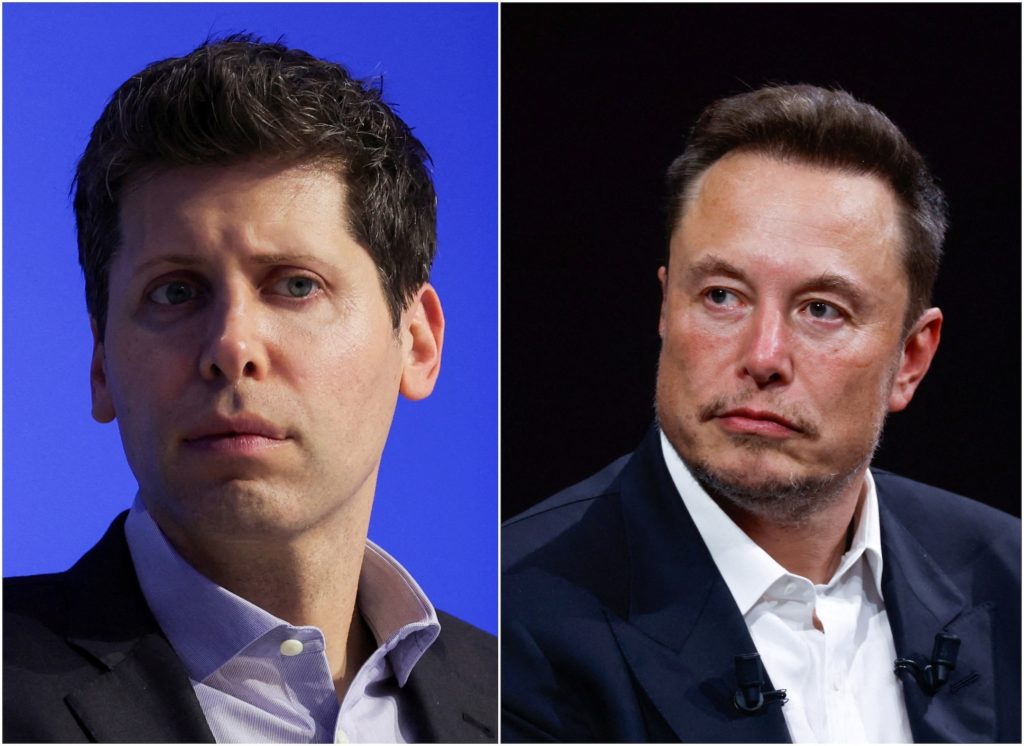
A California federal court has dismissed Elon Musk's lawsuit against OpenAI, the company behind ChatGPT, after determining it exceeded the statute of limitations. While the legal technicality shields OpenAI from Musk's specific claims, the case underscores a far broader and more pressing issue: the ethical implications of AI development driven by profit motives.
Musk's lawsuit alleged that OpenAI, under the leadership of Sam Altman, betrayed its original mission to develop artificial intelligence for the good of humanity when it introduced a for-profit arm. Progressives have long warned of the dangers of allowing corporations to control the development of powerful technologies like AI, fearing that the pursuit of profits will inevitably lead to decisions that harm vulnerable populations and exacerbate existing inequalities.
The core of the issue lies in the potential conflict between OpenAI's initial commitment to open-source, non-profit AI development and the pressures of generating revenue in a competitive market. As AI becomes increasingly integrated into sectors like healthcare, education, and criminal justice, the ethical stakes become even higher. The profit-driven model encourages prioritizing efficiency and automation, potentially at the expense of human workers and equitable access to resources.
The dismissal, while a victory for OpenAI in a legal sense, doesn't negate the validity of Musk's underlying concerns about mission drift. The case highlights the need for stronger regulatory oversight and public accountability to ensure that AI development aligns with societal values and promotes the common good. This includes addressing potential biases in algorithms, protecting workers from displacement, and ensuring that AI technologies are accessible to all, not just the wealthy few.
Furthermore, the debate over OpenAI's trajectory raises questions about the role of early investors in shaping the direction of technology companies. Musk, who initially invested in OpenAI, later distanced himself as the company evolved. This underscores the importance of holding early investors accountable for the long-term social impact of their investments.
The rapid advancement of AI demands a proactive approach to ethical considerations. Relying solely on the goodwill of corporations to prioritize the public interest is insufficient. Governments, civil society organizations, and the public must actively participate in shaping the future of AI to ensure that it serves as a tool for progress, not a driver of inequality and exploitation.