Mysterious Sailboat Signal Loss Raises Questions in Missing Woman Case, Highlighting Maritime Safety Gaps
The 11-hour blackout of a sailboat's tracking system the night Lynette Hooker vanished underscores the need for better oversight and resources in maritime safety and search efforts.
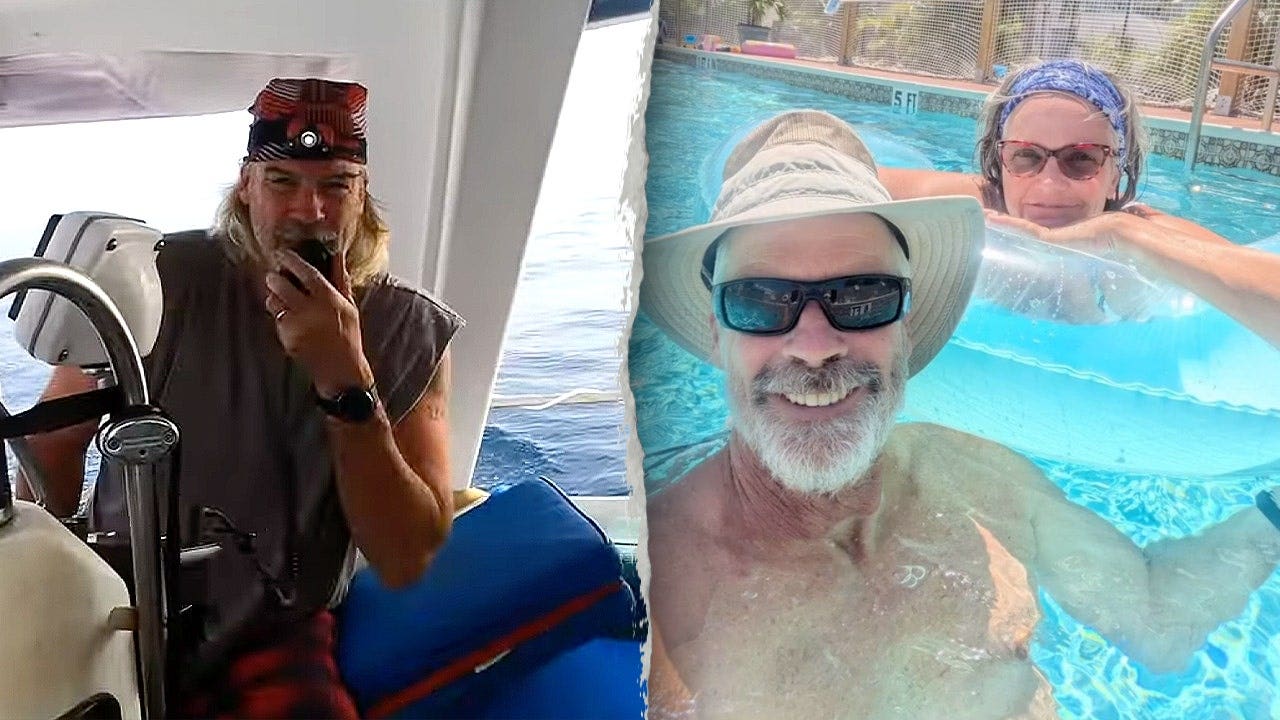
The disappearance of Lynette Hooker in the Bahamas, compounded by an 11-hour gap in her sailboat's tracking data, brings into sharp focus the challenges of maritime safety and the importance of robust search and rescue infrastructure. The incident, where the 'Soulmate's' Automatic Identification System (AIS) went offline at 9:29 p.m. on April 4 and didn't resume until 8:40 a.m. the following day, raises critical questions about accountability and resource allocation in these situations.
Lynette Hooker went missing after her husband, Brian Hooker, reported she fell overboard from their dinghy near Hope Town, Bahamas. The couple, known for sailing around the U.S. and Caribbean, were returning to their sailboat when the alleged accident occurred. The subsequent AIS blackout, according to data obtained by Fox News Digital from VesselFinder, adds a layer of complexity to the investigation and highlights potential systemic vulnerabilities.
Experts like Kenneth Engerrand, an adjunct professor of maritime law at the University of Houston Law Center, have called the prolonged signal loss "highly unusual," suggesting possible tampering or equipment failure. However, the implications extend beyond a simple technical malfunction. The incident underscores the disparities in maritime safety standards and enforcement, particularly in regions like the Bahamas where resources may be limited.
While Brian Hooker has not been charged, the U.S. Coast Guard's search of the 'Soulmate' and the Bahamian authorities' detention of Hooker for five days indicate the seriousness with which the case is being treated. The spotlight on this case should serve as a catalyst for addressing broader issues, such as improving AIS monitoring, enhancing search and rescue capabilities, and ensuring equitable access to safety resources for all individuals navigating international waters.
The incident also raises questions about the responsibility of boat owners to maintain functioning safety equipment and the need for stricter regulations regarding AIS compliance. The fact that the AIS experienced intermittent outages between April 10 and April 13 further suggests a pattern that warrants closer examination. The safety of individuals at sea should not be compromised by lax oversight or inadequate resources.
Moreover, the story is a stark reminder of the disproportionate impact such tragedies have on families and communities. The emotional toll of a missing person case is immense, and families deserve access to comprehensive support services and transparent communication from authorities. This includes ensuring that investigations are thorough, unbiased, and conducted with the utmost sensitivity.
The incident serves as a call to action for policymakers, maritime organizations, and the public to prioritize maritime safety and ensure that no one is left behind. This requires addressing systemic inequalities, investing in infrastructure, and fostering a culture of accountability within the maritime community.
The disappearance of Lynette Hooker should prompt a broader conversation about the need for increased investment in maritime safety and search and rescue operations, particularly in regions with limited resources. This includes providing better training for maritime personnel, equipping them with state-of-the-art technology, and establishing clear protocols for responding to emergencies.
The absence of robust maritime safety nets disproportionately affects vulnerable populations, including those with limited financial resources or those navigating waters with less oversight. Therefore, it is crucial to address these disparities and ensure that everyone has access to the resources they need to stay safe at sea.
The investigation into Lynette Hooker's disappearance should be a catalyst for broader reforms aimed at strengthening maritime safety and ensuring equitable access to resources. By addressing the systemic issues that contribute to such tragedies, we can prevent future incidents and protect the lives of those who navigate the world's oceans.
Ultimately, this case highlights the interconnectedness of maritime safety, accountability, and social justice. By working together to address these issues, we can create a safer and more equitable maritime environment for everyone.


