National Archives Expands Rotunda to Reflect Broader Vision of American Freedom
The addition of the Emancipation Proclamation and 19th Amendment signals a crucial step towards inclusivity at the National Archives.
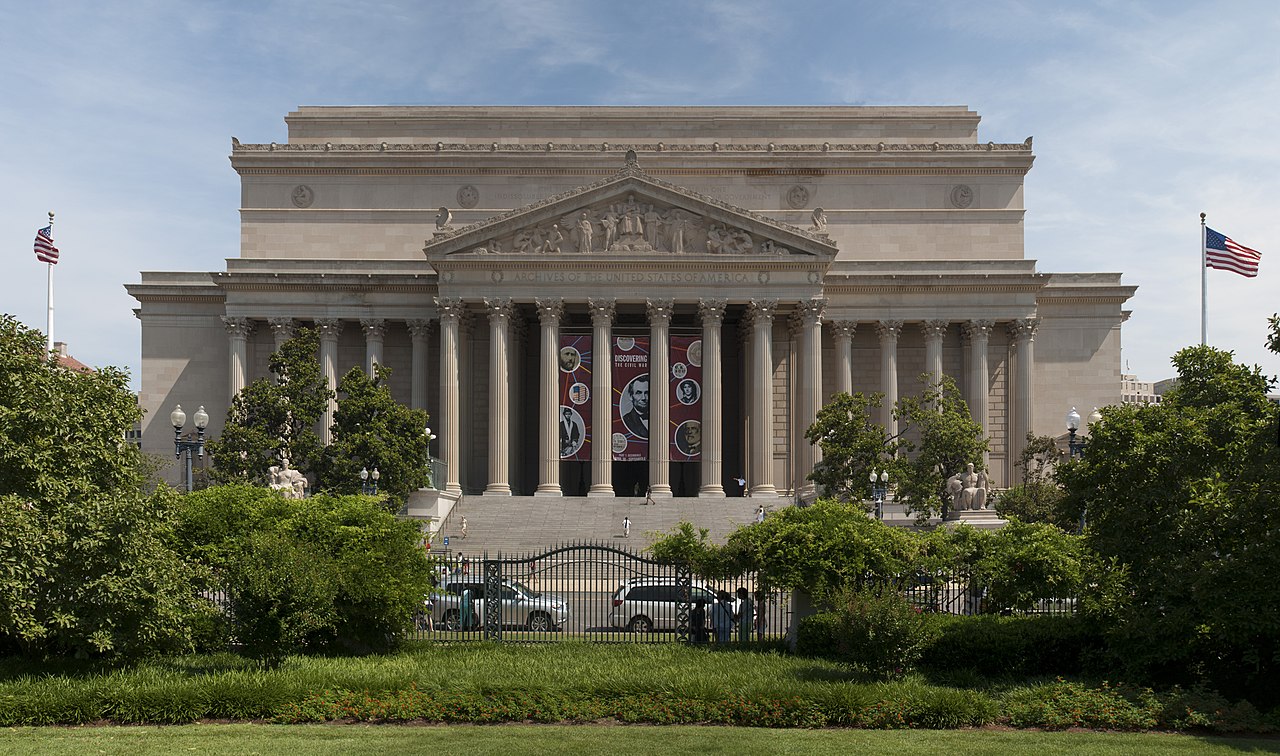
Washington D.C. – In a move celebrated by historians and activists alike, the National Archives has integrated the Emancipation Proclamation and the 19th Amendment into its rotunda, joining the Declaration of Independence, the Constitution, and the Bill of Rights. This marks the first permanent modification to the core exhibits in nearly three-quarters of a century, signaling a potential shift towards a more inclusive representation of American history.
The National Archives and Records Administration (NARA) plays a crucial role in preserving and providing access to the nation's historical records. The rotunda, its centerpiece, now includes documents that directly address the struggles for freedom and equality that have shaped the American experience. This expansion acknowledges the contributions and sacrifices of marginalized groups who were historically excluded from the narrative of American democracy.
The Emancipation Proclamation, issued by President Abraham Lincoln in 1863, stands as a watershed moment in the fight against slavery. While its immediate impact was limited, it fundamentally altered the course of the Civil War and set the stage for the abolition of slavery. Its inclusion in the rotunda highlights the enduring legacy of slavery and the ongoing struggle for racial justice in the United States.
The 19th Amendment, ratified in 1920, represents a milestone in the women's suffrage movement. This amendment, granting women the right to vote, was the culmination of decades of tireless activism and advocacy. Its presence in the rotunda recognizes the vital contributions of women to American society and the long fight for gender equality.
For decades, critics have argued that the rotunda's exclusive focus on the founding documents presented an incomplete and potentially misleading picture of American history. The absence of documents addressing slavery, racial discrimination, and gender inequality perpetuated a narrative that ignored the experiences of vast segments of the population. The addition of the Emancipation Proclamation and the 19th Amendment begins to address these historical omissions.
The decision to expand the rotunda's exhibits reflects a growing awareness of the need to confront the complexities and contradictions of American history. It also acknowledges the ongoing struggle to live up to the ideals enshrined in the founding documents. By including documents that highlight the struggles for freedom and equality, the National Archives is signaling its commitment to presenting a more nuanced and inclusive historical narrative.
Some may argue that the addition of these documents dilutes the significance of the founding documents. However, proponents of the change contend that it enriches the historical context and provides a more complete understanding of the American experience. The Emancipation Proclamation and the 19th Amendment are not merely addenda to American history; they are integral parts of the ongoing struggle to realize the promise of equality and justice for all.
The National Archives has not yet released specific details regarding the display or presentation of the new documents. However, it is anticipated that they will be presented in a way that emphasizes their historical significance and their connection to the ongoing struggles for social justice. The goal is to encourage visitors to engage with these documents critically and to reflect on their meaning for contemporary society.
This update to the rotunda promises to enrich the visitor experience, providing a more comprehensive and inclusive understanding of American history. By acknowledging the struggles and contributions of marginalized groups, the National Archives is taking a step towards creating a more just and equitable historical narrative.
The inclusion of these documents also serves as a powerful reminder of the importance of civic engagement and the ongoing need to fight for social justice. The struggles for racial equality and gender equality are far from over, and these documents serve as an inspiration to continue the fight.
The National Archives plays a vital role in shaping public understanding of American history. By expanding the rotunda to include the Emancipation Proclamation and the 19th Amendment, it is signaling its commitment to presenting a more complete and inclusive historical narrative.
Ultimately, this change to the National Archives rotunda signifies a shift towards a more equitable and accurate portrayal of American history, acknowledging the struggles and triumphs of all its citizens.