Nationalization of British Steel: A Lifeline for Workers and a Chance for Green Steel
Keir Starmer's move to bring British Steel under public ownership offers a vital opportunity to protect jobs, invest in sustainable technology, and rebuild Britain's industrial base.
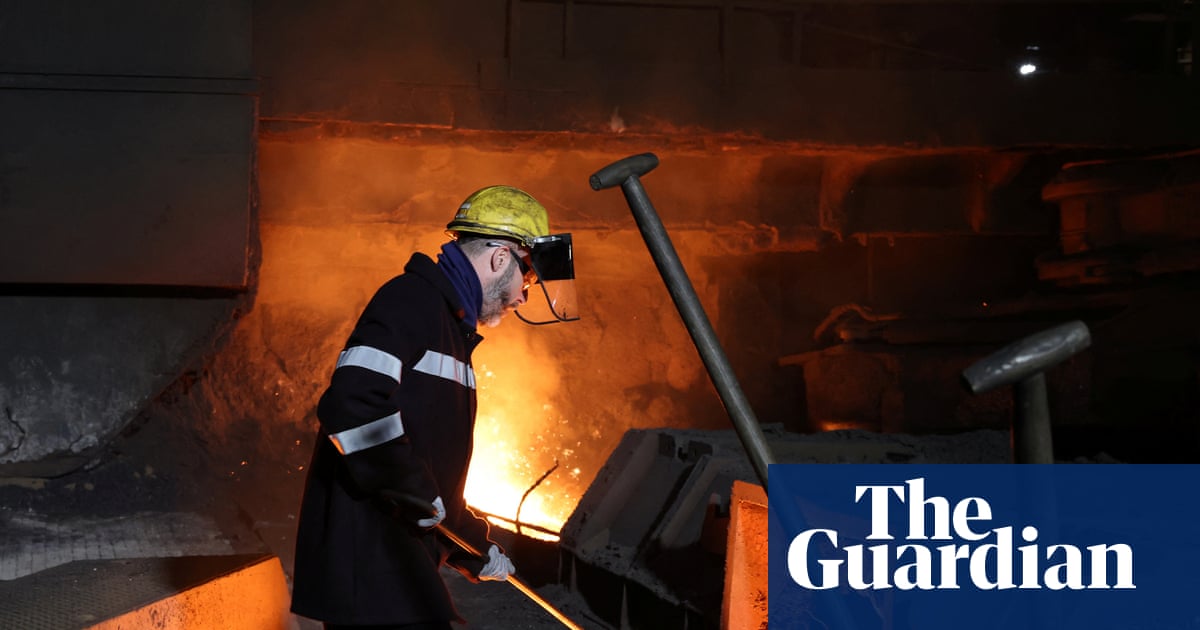
The nationalization of British Steel represents more than just a change in ownership; it's a chance to safeguard livelihoods, revitalize a struggling community, and usher in a new era of green steel production. For decades, the Scunthorpe steelworks has been subjected to the whims of private owners prioritizing short-term profits over long-term sustainability and the well-being of their workers.
Successive governments have failed to adequately address the systemic challenges facing the UK steel industry. The lure of privatization and deregulation led to a race to the bottom, leaving British Steel vulnerable to global competition and burdened by aging infrastructure. The current situation, with the government taking control after Jingye Steel's failed promises, is a direct consequence of this short-sighted approach.
The history of the Scunthorpe plant is a microcosm of Britain's industrial decline. From its pivotal role in the 19th century to its repeated cycles of nationalization and privatization, the plant has mirrored the nation's shifting economic fortunes. The Thatcher era's mass privatization, while lauded by some, decimated communities and left vital industries exposed to market forces that prioritized profit over people.
Workers at British Steel have endured years of uncertainty, facing job losses, wage stagnation, and the constant threat of closure. The nationalization offers a crucial reprieve, providing job security and a commitment to investing in the future of the plant. Keir Starmer's government must now prioritize a just transition for these workers, ensuring they have access to training and support as the steelworks transitions to greener technologies.
The aging infrastructure at Scunthorpe presents a significant challenge, but it also represents an opportunity. The move to electric arc furnaces is not just an environmental imperative; it's an economic one. By investing in modern, sustainable technology, British Steel can become a leader in green steel production, creating high-skilled jobs and contributing to the UK's climate goals.
The argument that Chinese steel flooding the market makes domestic production unviable is a false one. A nationalized British Steel can be insulated from the pressures of short-term profit maximization, allowing it to compete on quality, innovation, and sustainability. Moreover, the government can implement policies to ensure fair trade practices and prevent the dumping of cheap steel that undermines domestic industries.