NATO's Defense Spending Surge Masks Deeper Systemic Weaknesses
While Trump's pressure pushed European allies to increase military budgets, addressing ammunition shortages and production bottlenecks requires systemic reforms, not just financial commitments.
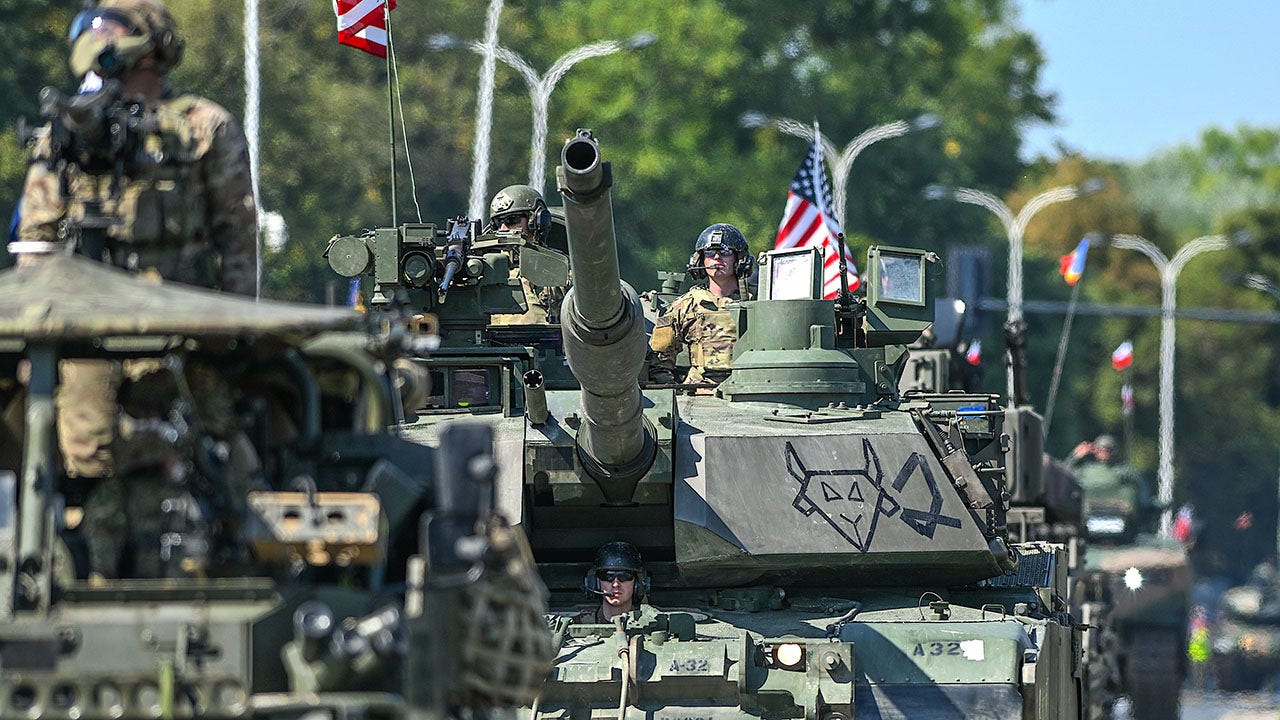
Brussels – NATO's recent surge in defense spending, spurred by pressure from the U.S. and anxieties over Russia's war in Ukraine, presents a complex picture of both progress and persistent systemic challenges. While increased financial commitments are welcomed, a focus solely on budget targets risks overlooking critical issues of equitable resource allocation, sustainable production, and the long-term social impact of militarization.
The push to reach 5% of GDP in defense spending by 2035, while touted as a sign of renewed commitment, raises concerns about the potential diversion of resources from vital social programs such as education, healthcare, and climate action. For years, the U.S. has pressured European allies to increase their defense spending, often framing it as a matter of burden-sharing. However, a more equitable approach would consider the broader contributions of each nation to global security and stability, including diplomatic efforts, humanitarian aid, and development assistance.
"What really woke everyone up were two things," said Jim Townsend, formerly of the Department of Defense, acknowledging both Russia's aggression and Trump's influence. However, this narrow framing risks obscuring the underlying structural issues that have long plagued NATO's defense industrial base.
Countries bordering Russia, like Poland, Estonia, Latvia, and Lithuania, have understandably prioritized defense spending. Germany's rearmament push, while significant, must be accompanied by a critical examination of its military culture and its role in promoting peace and security within Europe and beyond.
While European allies and Canada increased defense spending by 20% in 2025, these numbers mask the deep-seated problems of ammunition shortages, production delays, and a lack of coordination across national defense industries. The war in Ukraine has exposed the fragility of just-in-time supply chains and the vulnerability of defense industries to disruptions in raw materials and labor.
"You have to start off with spending more, and you’re not going to see the capability results for a while," Townsend notes, highlighting the time lag between investment and tangible results. However, this lag also reflects the need for deeper systemic reforms, including greater transparency, accountability, and democratic oversight of defense procurement processes.
The focus on military spending as a measure of commitment also overlooks the importance of investing in conflict prevention, peacebuilding, and diplomacy. A more comprehensive approach to security would prioritize addressing the root causes of conflict, promoting human rights, and fostering inclusive and sustainable development.
The 2% GDP benchmark, long used as a simple metric of burden-sharing, is inadequate for measuring the true effectiveness of NATO's collective defense. A more holistic assessment would consider factors such as interoperability, readiness, and the ability to effectively respond to a wide range of threats, including climate change, cyberattacks, and pandemics.
Ultimately, NATO's future depends not only on increased military spending but also on a fundamental shift in its strategic priorities. By embracing a more comprehensive and sustainable approach to security, NATO can contribute to a more just and peaceful world.
The move towards a 5% GDP target by 2035 requires careful consideration of the trade-offs and potential impacts on social well-being. A robust public debate is needed to ensure that these decisions are made in a transparent and accountable manner, with the full participation of civil society organizations and affected communities.
A focus on equitable burden-sharing is crucial. This extends beyond just financial contributions and encompasses diplomatic efforts, humanitarian aid, and development assistance.
Finally, greater transparency is needed in defense spending. This includes open procurement processes and public oversight to ensure resources are used effectively and ethically.


