Natural Sea Foam a Reminder of Coastal Ecosystem Health
While generally harmless, sea foam underscores the delicate balance of our oceans and the impact of pollution on coastal communities.
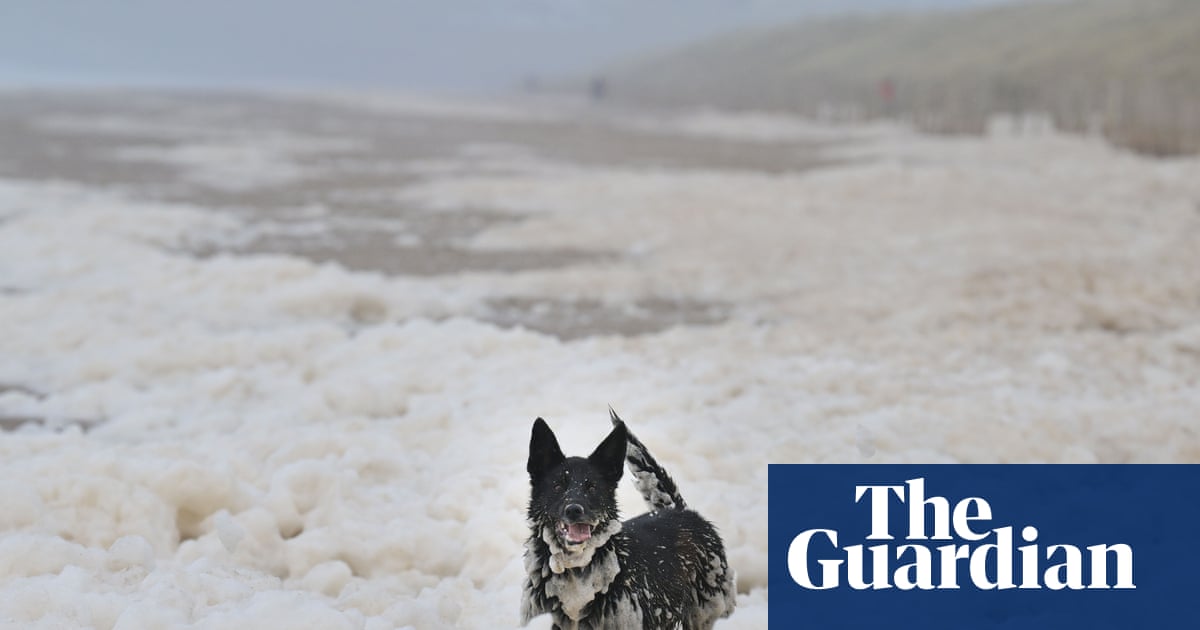
The appearance of sea foam along Britain's coastline serves as a crucial reminder of the complex and interconnected nature of our coastal ecosystems. While this particular phenomenon is generally harmless, its occurrence highlights the broader challenges facing our oceans, including pollution and the impact of climate change.
Sea foam, a natural product of algal blooms and wave action, is often mistaken for pollution. The key algae involved, like phaeocystis, plays a vital role in the marine food chain. However, the conditions that promote these blooms—warmer waters and nutrient runoff—are increasingly exacerbated by human activity.
Agricultural runoff, industrial discharge, and sewage overflows contribute excess nutrients to coastal waters, fueling algal blooms. While the resulting sea foam itself may not be directly harmful, these blooms can have cascading effects on marine life. Some blooms, though not phaeocystis, can be toxic, leading to fish kills and disruptions to the marine ecosystem. Even non-toxic blooms can deplete oxygen levels in the water as they decompose, creating dead zones that harm marine life. Moreover, the foul odor sometimes associated with sea foam can negatively impact coastal communities, affecting tourism and recreational activities.
The presence of sea foam should prompt us to consider the wider ecological context. Are we doing enough to protect our coastal waters from pollution? Are we adequately addressing the root causes of harmful algal blooms? These questions demand urgent attention and proactive solutions. We need stronger regulations on industrial discharge, improved wastewater treatment facilities, and sustainable agricultural practices to minimize nutrient runoff. Investing in research and monitoring programs is also crucial to better understand the dynamics of algal blooms and their impact on coastal ecosystems.
Furthermore, we must recognize the disproportionate impact of pollution on marginalized communities. Coastal communities that rely on fishing and tourism for their livelihoods are particularly vulnerable to the negative effects of algal blooms. These communities often lack the resources to adapt to these challenges, exacerbating existing inequalities. A just and equitable approach to environmental protection requires us to prioritize the needs of these vulnerable communities and ensure that they have a voice in decision-making processes. Only through collective action and a commitment to environmental justice can we safeguard the health of our oceans and protect the well-being of coastal communities for future generations. The visual reminder of sea foam emphasizes the urgency of protecting coastal communities and our oceans. Further studies should also consider the impact of micro-plastics on the health of sea life.
