Neglected Ebola Strain Ravages Congo, Exposing Global Health Inequities
The Bundibugyo virus outbreak in Congo highlights the deadly consequences of unequal access to medical research and resources.
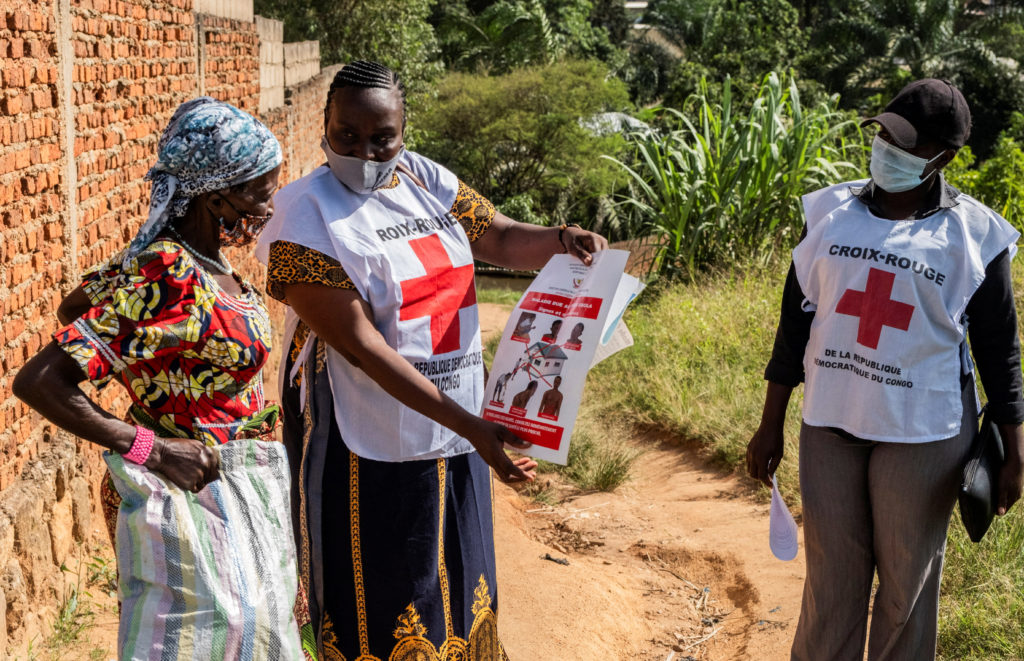
The ongoing outbreak of the Bundibugyo virus in Congo, suspected of taking over 200 lives, is a stark reminder of the global health inequities that disproportionately impact vulnerable populations. This less common strain of Ebola has proven particularly challenging to combat due to the lack of specific treatments and vaccines, a consequence of underfunded research and development focused primarily on more prevalent strains.
The Ebola virus disease, while a threat to global health, has historically seen a concentration of research and resources directed towards the Zaire species, often neglecting other, less frequent strains like Bundibugyo. This disparity reflects a broader trend in global health, where diseases prevalent in wealthier nations receive greater attention and funding, while those affecting poorer regions are often overlooked.
The lack of specific medical countermeasures for the Bundibugyo virus underscores the urgent need for a more equitable approach to medical research and development. Pharmaceutical companies and research institutions must prioritize the development of broad-spectrum treatments and vaccines that can address multiple Ebola virus species, ensuring that all populations, regardless of their geographic location or economic status, have access to life-saving interventions.
The outbreak also highlights the systemic weaknesses in Congo's healthcare infrastructure. Years of underfunding and neglect have left the country ill-equipped to respond effectively to public health emergencies. Strengthening local healthcare systems, training healthcare workers, and ensuring access to essential medical supplies are crucial steps in preventing future outbreaks and mitigating their impact.
Furthermore, the outbreak necessitates a critical examination of the social determinants of health that contribute to the spread of infectious diseases. Poverty, lack of access to clean water and sanitation, and inadequate housing all increase vulnerability to infection. Addressing these underlying social and economic factors is essential for creating healthier and more resilient communities.
International collaboration is vital, but it must be grounded in principles of equity and solidarity. Developed nations must provide financial and technical assistance to support Congo's response efforts, but they must also ensure that their support is aligned with the country's needs and priorities. This includes investing in local capacity building and empowering Congolese communities to take ownership of their health.
The outbreak also underscores the importance of community engagement in public health interventions. Local communities must be involved in the design and implementation of public health programs to ensure that they are culturally appropriate and effective. This requires building trust, fostering open communication, and addressing community concerns.
The current crisis demands a fundamental shift in our approach to global health. We must move beyond a narrow focus on disease-specific interventions and address the broader social, economic, and political factors that drive health inequities. This requires a commitment to universal health coverage, social justice, and global solidarity.
The disproportionate impact of the Bundibugyo virus outbreak on Congo serves as a wake-up call. It is a reminder that our health is interconnected and that we must work together to create a more just and equitable world where all people have the opportunity to live healthy lives.
The global health community must prioritize research and development of treatments and vaccines for all Ebola virus species, regardless of their prevalence. This is not only a matter of scientific imperative but also a moral obligation.
Supporting the Congolese government in strengthening its healthcare system is essential for preventing future outbreaks and improving the health of the Congolese people. This includes investing in infrastructure, training healthcare workers, and ensuring access to essential medical supplies.
Ultimately, addressing the social determinants of health is crucial for creating healthier and more resilient communities. This requires a commitment to poverty reduction, access to clean water and sanitation, and adequate housing.


