Netanyahu's Coalition Faces Collapse as Ultra-Orthodox Demands Expose Inequality in Israel
Early elections loom as the fight for military exemptions highlights the deep divisions between religious and secular communities, threatening social cohesion.
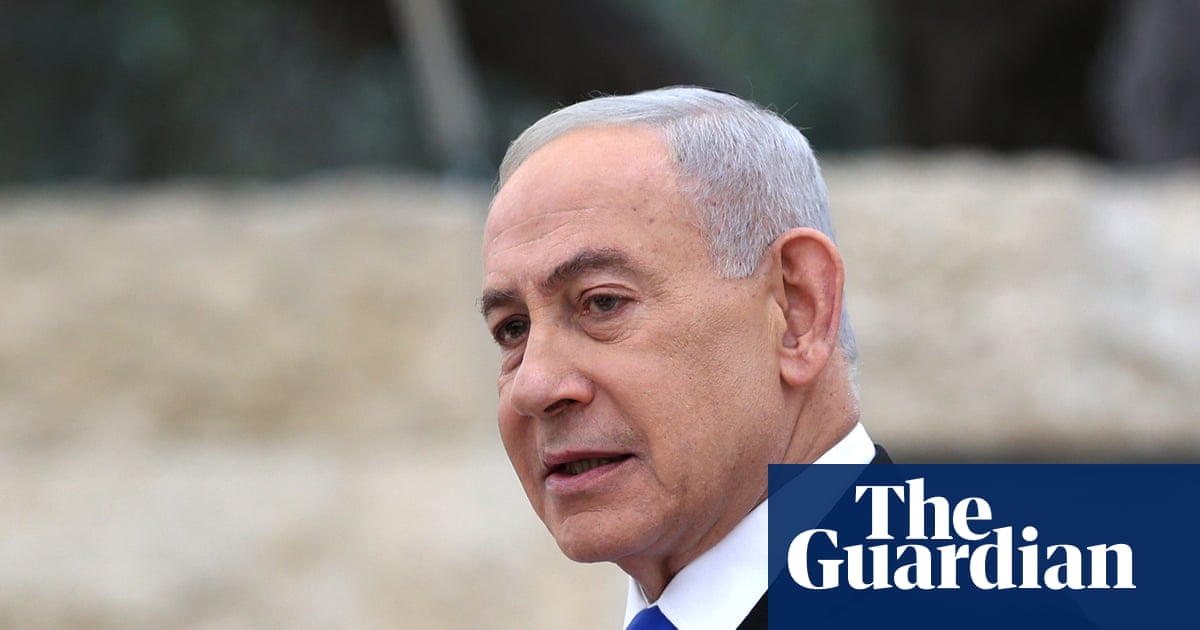
JERUSALEM – Israel's fragile ruling coalition teeters on the brink of collapse, triggered by Prime Minister Benjamin Netanyahu's failure to appease ultra-Orthodox parties demanding permanent exemptions from mandatory military service for their young men. This crisis exposes the fundamental inequalities embedded within Israeli society, where privileged religious groups seek to avoid civic duties while others bear the burden of national security.
The proposed dissolution of parliament and the call for early elections underscore the inherent instability of a government built on compromises that often prioritize narrow sectarian interests over the broader welfare of the nation. The ultra-Orthodox parties, wielding significant political power, have long exploited their influence to secure exemptions that perpetuate a system of unequal obligations.
The draft legislation, initiated by Netanyahu’s Likud party, is a desperate attempt to maintain control over the electoral timeline. However, it also reflects a deeper crisis of legitimacy, as the government struggles to address the needs of all its citizens fairly and equitably. The demand for military exemptions highlights the chasm between those who contribute to the defense of the country and those who seek to opt out based on religious grounds.
Opposition leader Yair Lapid, of the centrist Yesh Atid party, has rightly criticized Netanyahu’s handling of security matters and the recent ceasefire agreement with Iran. Lapid's call for unity under the Beyahad alliance with Naftali Bennett signals a potential shift towards a more inclusive and equitable political landscape. However, the challenge remains to bridge the deep ideological divides that have long plagued Israeli politics.
The exemption issue is not merely a matter of military service; it is a symptom of a broader system that favors certain religious groups at the expense of others. This disparity perpetuates a cycle of inequality, where ultra-Orthodox communities often lack access to quality education and economic opportunities, relying instead on government subsidies and political patronage.
Netanyahu’s long tenure as prime minister has been marked by a willingness to accommodate these special interests, often at the expense of social justice and equality. His ongoing corruption trial further undermines his credibility and raises questions about his commitment to serving the best interests of all Israelis.