Netanyahu's Gaza Control Plan Risks Humanitarian Crisis, Critics Say
Continued military operations and territorial seizures undermine cease-fire efforts and threaten vulnerable Gazan population.
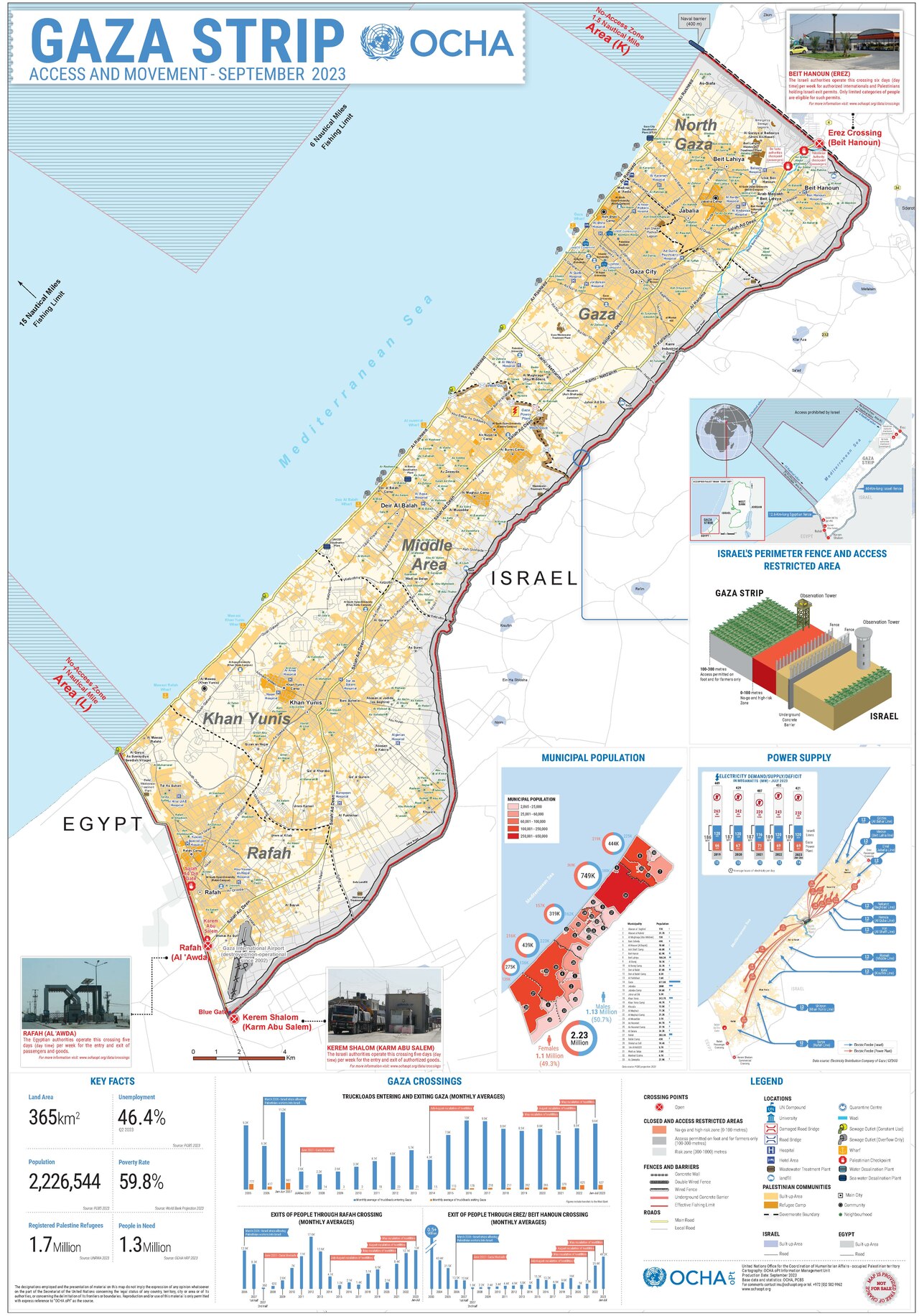
JERUSALEM - Prime Minister Benjamin Netanyahu's declaration that Israel will control 70 percent of the Gaza Strip raises serious concerns about the humanitarian impact and long-term prospects for peace in the region. The announcement comes as Israeli military operations persist despite a declared cease-fire with Hamas, signaling a disregard for the well-being of the Gazan people.
For years, the Gaza Strip has endured a crippling blockade imposed by Israel, severely restricting the movement of people and goods and leading to a dire humanitarian situation. The World Bank has documented the devastating impact of the blockade on Gaza's economy, with unemployment rates soaring and widespread poverty.
Netanyahu's ongoing military actions and territorial seizures further exacerbate this crisis. The repeated bombings and ground operations have resulted in countless civilian casualties, displacement, and destruction of vital infrastructure, including hospitals, schools, and water treatment facilities. Human Rights Watch has documented numerous instances of alleged war crimes committed by Israeli forces during past conflicts in Gaza.
The control of 70 percent of Gaza by Israel raises questions about the future of the region and the rights of the Palestinian people. It is unclear whether this control will involve direct military occupation, a security zone, or other forms of influence. However, any form of prolonged Israeli control is likely to further restrict the movement of people and goods, hindering economic development and perpetuating the cycle of poverty and dependence.
The international community has repeatedly called for an end to the blockade and a peaceful resolution to the Israeli-Palestinian conflict. The United Nations has passed numerous resolutions condemning Israel's actions in Gaza and calling for a two-state solution based on international law. However, these calls have largely gone unheeded.
The continued violence and territorial seizures undermine the prospect of a lasting peace and exacerbate the suffering of the Gazan people. The root causes of the conflict must be addressed, including the occupation of Palestinian territories, the unequal distribution of resources, and the denial of Palestinian rights.
Many critics argue that Netanyahu's actions are driven by political considerations and a desire to appease his right-wing supporters. They contend that his policies are not aimed at achieving peace but rather at maintaining the status quo and perpetuating the conflict. The war is seen by many of Netanyahu's supporters as unfinished business, underscoring the deep divisions within Israeli society regarding the appropriate course of action in dealing with the Palestinian issue.
The international community must take a more assertive role in addressing the crisis in Gaza. This includes providing humanitarian assistance to the Gazan people, holding Israel accountable for its actions, and working towards a just and lasting resolution to the conflict. Failure to do so will only lead to further suffering and instability in the region.
The situation in Gaza is a stain on the conscience of the world. The international community must act now to end the blockade, protect the rights of the Palestinian people, and work towards a future of peace and justice for all.
Sources: * United Nations Office for the Coordination of Humanitarian Affairs (OCHA) * Human Rights Watch * The World Bank


