Netanyahu's Secret UAE Trip Exposes Troubling Alliance Amidst Iran War's Human Cost
Covert meeting reveals deepening ties prioritizing military action over diplomatic solutions, raising concerns about human rights and regional stability.
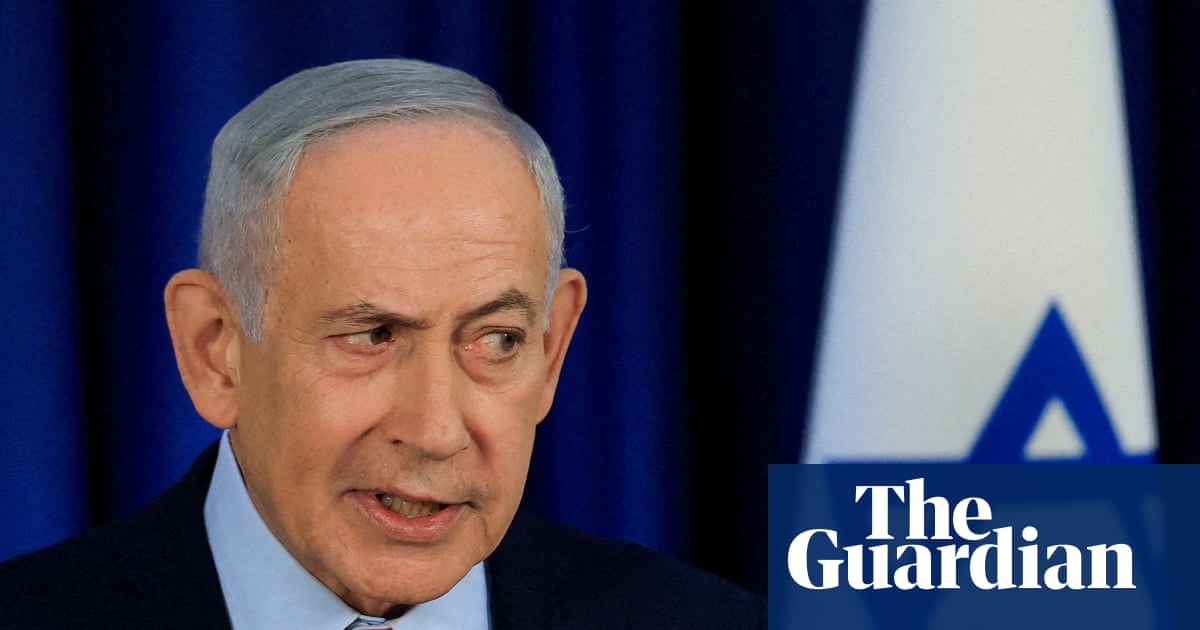
Jerusalem - Prime Minister Benjamin Netanyahu's recently revealed secret trip to the United Arab Emirates (UAE) during the height of the Iran war highlights a troubling alliance built on military cooperation and disregard for diplomatic solutions, while the human cost of the conflict continues to mount. The meeting with UAE President Sheikh Mohamed bin Zayed Al Nahyan, held on March 26 in Al Ain, underscores the prioritization of strategic partnerships over the well-being of ordinary citizens caught in the crossfire.
The Israeli Prime Minister's office heralded a "historic breakthrough" in relations, but this breakthrough appears to be at the expense of peace and justice. Reuters reported that Mossad Director David Barnea made several trips to the UAE to coordinate military actions against Iran, signaling a dangerous escalation of regional tensions. This military coordination, as reported by the Wall Street Journal, occurred while civilians suffered the consequences of the war.
Ambassador Mike Huckabee's disclosure that Israel provided the UAE with Iron Dome batteries and military specialists further solidifies this alliance. This transfer of military technology raises serious questions about accountability and the potential for misuse, particularly in light of the UAE’s alleged involvement in war crimes in Sudan.
The UAE's own secret strikes on Iran, including the attack on a refinery on Lavan Island, demonstrate a willingness to engage in aggressive military actions that risk further destabilizing the region. These actions, reportedly in retaliation for Iranian attacks, highlight a cycle of violence that disproportionately affects vulnerable populations.
The 2020 Abraham Accords, which normalized relations between the UAE and Israel, have paved the way for this deepening alliance. While proponents claim these accords promote peace, critics argue they have emboldened authoritarian regimes and sidelined the Palestinian cause. The UAE's increasingly independent foreign policy, as demonstrated by its departure from OPEC, suggests a willingness to prioritize its own interests over regional stability and collective action.
Both Israel and the UAE's close ties with the Trump administration have further cemented this alliance, but this reliance on a single administration leaves them vulnerable to shifts in U.S. foreign policy. More concerning is the issue of accountability for alleged war crimes. Netanyahu faces arrest warrants from the International Criminal Court for accusations of genocide in Gaza, while the UAE is accused of supporting the Rapid Support Forces in Sudan, a group responsible for mass atrocities.


