New COVID Variant Highlights Ongoing Need for Equitable Public Health Measures
BA.3.2 detected across the US underscores the importance of accessible healthcare and preventative strategies for vulnerable communities.
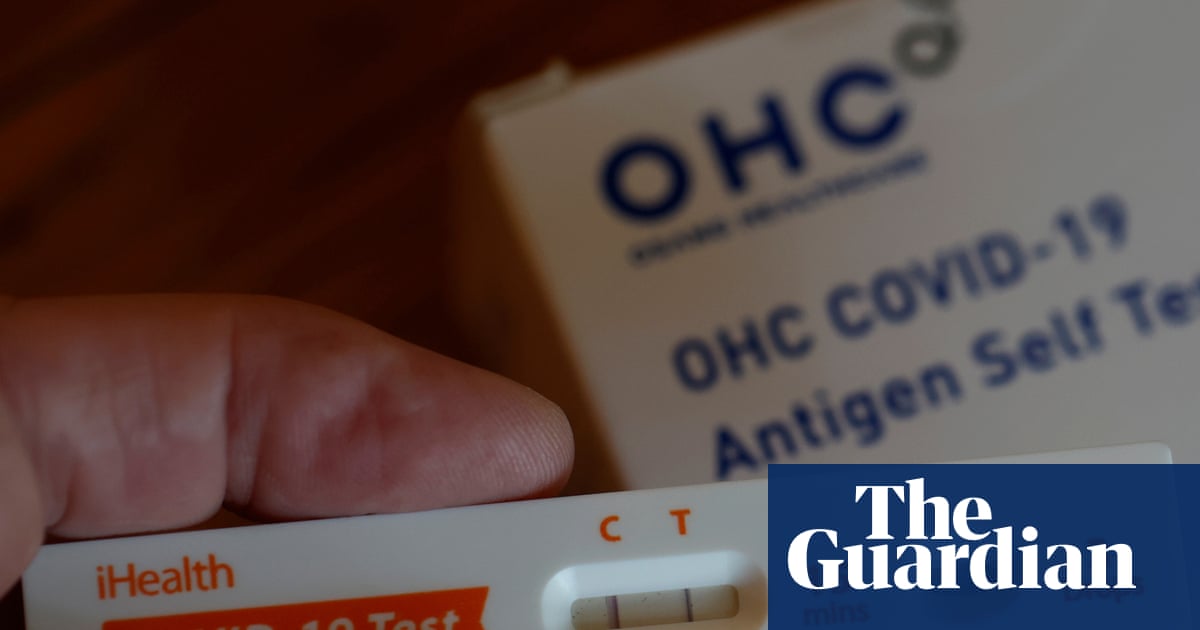
The detection of the BA.3.2 Omicron subvariant across 29 US states and Puerto Rico serves as a stark reminder that the COVID-19 pandemic is far from over, particularly for marginalized communities who continue to bear a disproportionate burden. While experts like Dr. Jake Scott emphasize that there is no current evidence suggesting increased severity, the emergence of new variants underscores the ongoing need for equitable access to vaccines, healthcare, and public health resources.
The fact that the World Health Organization (WHO) has classified BA.3.2 as a "variant under monitoring" should prompt a renewed focus on preventative measures, especially in high-risk environments. The WHO's recommendations for masking and improved ventilation are critical, but these measures are only effective if they are readily available and accessible to all, regardless of socioeconomic status or geographic location.
As Dr. Scott notes, BA.3.2 has "substantial changes in its spike protein," raising concerns about potential long-term implications, especially for individuals with compromised immune systems or chronic health conditions. The possibility that the mutation will influence next year’s vaccine update further highlights the need for robust research and development efforts that prioritize the needs of vulnerable populations.
While Dr. Scott states that BA.3.2 has not shown increased severity, relying solely on aggregate data can mask disparities in outcomes. Historically, communities of color and low-income individuals have experienced higher rates of infection, hospitalization, and death from COVID-19. These disparities are often rooted in systemic inequities, such as limited access to healthcare, overcrowded housing, and exposure to environmental hazards.
Immunologist Marc Veldhoen's assessment that BA.3.2 is "just a typical subvariant of Omicron" risks downplaying the potential impact on vulnerable populations. Even if symptoms are similar to those of other respiratory infections, the cumulative effect of repeated infections can have devastating consequences for individuals and communities already struggling with health disparities.
The focus on antibody response, while important, overlooks the broader impact of COVID-19 on the social determinants of health. The pandemic has exacerbated existing inequalities, leading to job losses, food insecurity, and mental health challenges, particularly for marginalized communities. Addressing these underlying social and economic factors is crucial for building resilience and promoting health equity.


