New Israeli Law and Settler Violence Intensify Oppression of Palestinians in West Bank
Critics decry a death penalty expansion targeting Palestinians as settler violence surges, exacerbating the humanitarian crisis in the occupied West Bank.
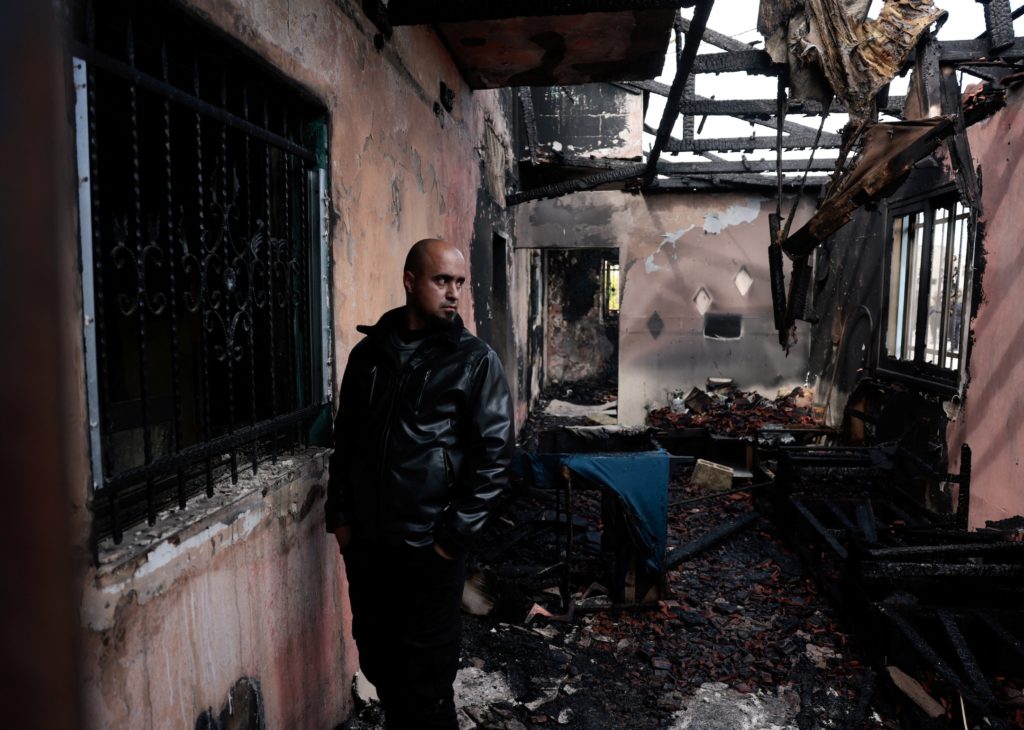
The occupied West Bank is facing a dire humanitarian crisis as a new Israeli law expanding the death penalty for acts classified as terrorism threatens to disproportionately impact Palestinian prisoners, while settler violence against Palestinian communities escalates. Human rights groups are raising alarms, asserting that the law, ostensibly neutral, will be primarily used against Palestinians, further entrenching systemic discrimination.
The surge in settler violence paints a disturbing picture of impunity and state-sanctioned harassment. Palestinian families are enduring property destruction, physical assaults, and constant fear, as documented by human rights organizations. This violence, often unprosecuted, aims to displace Palestinians and expand Israeli settlements, violating international law and undermining any prospect of a just peace.
The new Israeli law, broadening the definition of terrorism and allowing for capital punishment, is viewed by legal experts as a tool for political repression. The vague definition of terrorism allows for the criminalization of legitimate resistance against an illegal occupation. This poses a grave threat to due process and fair trial rights for Palestinians accused of such acts. The historical context of unequal application of laws within the occupied territories further underscores the discriminatory nature of this legislation.
This escalation occurs against a backdrop of ongoing geopolitical tensions, particularly the conflict between Israel, the U.S., and Iran. Critics argue that this external conflict is being used as a pretext to further suppress Palestinian rights and expand Israeli control over the West Bank. The erosion of international oversight and the lack of accountability for human rights violations are contributing to a climate of impunity.
The United Nations has voiced its concerns about the rising violence and the potential impact of the new law, but its calls for restraint have gone largely unheeded. The international community's failure to take concrete action has emboldened the Israeli government and its settler population to further violate Palestinian rights.
Nick Schifrin's recent visit to the West Bank sheds light on the devastating human cost of this escalating conflict. His reporting highlights the stories of Palestinian families living under constant threat, their lives disrupted by violence and displacement. These stories demand urgent action to protect Palestinian civilians and hold perpetrators accountable.
The International Criminal Court's investigation into alleged war crimes in the occupied Palestinian territories takes on added significance in light of these developments. The expansion of the death penalty and the unchecked settler violence could fall within the ICC's jurisdiction, potentially leading to prosecutions for those responsible.
The events in the West Bank are exacerbating the already fragile political landscape. The Israeli government faces pressure from right-wing factions to adopt even more repressive measures, while international criticism of Israel's policies is growing. This situation underscores the urgent need for a comprehensive and just solution to the Israeli-Palestinian conflict that addresses the root causes of the violence and ensures the protection of Palestinian rights. Without such a solution, the cycle of oppression and violence will continue, perpetuating the suffering of the Palestinian people.
The new law and escalating violence demonstrate a clear pattern of systemic oppression against Palestinians in the occupied West Bank, requiring immediate and decisive action from the international community to ensure their safety, protect their fundamental rights, and hold those responsible for human rights violations accountable. The focus should be on dismantling the structures of oppression and creating a just and equitable environment for all.


