Newsom's Warning Exposes Vulnerabilities in California's Jungle Primary, Threatening Democratic Representation
Governor Newsom's 'break the glass' comment highlights the potential for the jungle primary to disenfranchise voters and undermine democratic principles.
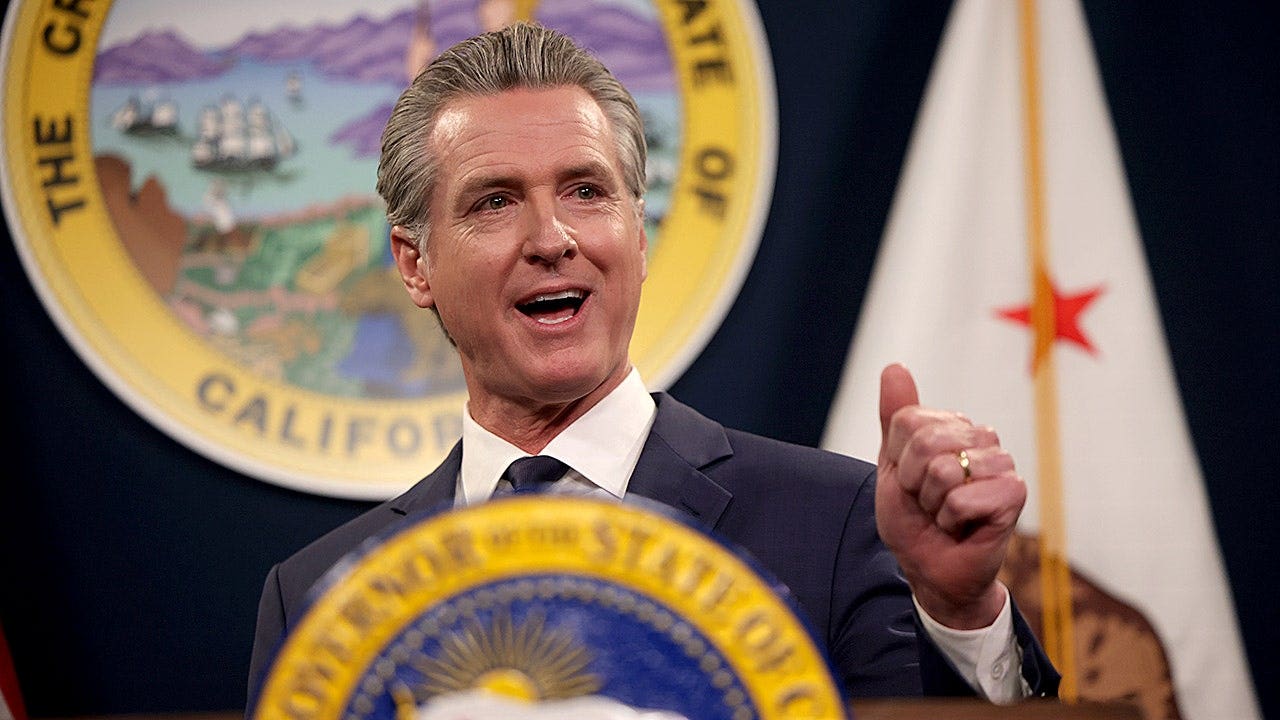
SACRAMENTO, CA - Governor Gavin Newsom's recent warning about a possible "break the glass scenario" to ensure Democratic representation in the general election shines a spotlight on the inherent risks of California's jungle primary system and its potential to marginalize voters. Newsom's comments come as the state braces for its primary election, a system where the top two vote-getters advance, regardless of party affiliation, raising concerns about equitable representation.
Newsom's remarks, made during a recent press conference, underscored the very real possibility of a Republican-only general election, a scenario that would effectively silence the voices of Democratic voters. His "break the glass scenario," while undefined, signals a commitment to safeguarding democratic principles and ensuring that all perspectives are represented in the final election.
However, critics, including Republican gubernatorial frontrunner Steve Hilton, have accused Newsom of "fearmongering" and attempting to manipulate the electorate. Hilton's claims that Newsom is trying to split the Republican vote are a distraction from the larger issue: the potential for the jungle primary to undermine democratic representation.
The jungle primary system, while intended to promote moderate candidates and reduce partisan gridlock, has unintended consequences. It creates an environment where strategic voting and vote splitting can lead to the exclusion of entire parties from the general election, effectively disenfranchising voters and weakening democratic participation. This system disproportionately impacts marginalized communities and working-class families who rely on strong Democratic representation to advocate for their interests.
Newsom's concern is not merely about party politics; it's about ensuring that the voices of all Californians are heard. A general election without a Democratic candidate would silence the concerns of those who rely on Democratic policies to address critical issues such as affordable healthcare, environmental protection, and economic justice.
The focus should be on reforming the jungle primary system to ensure fairer representation and prevent the exclusion of major parties. Other potential solutions include ranked-choice voting or a return to traditional party primaries, both of which would promote greater voter participation and more representative outcomes.
The current situation underscores the need for ongoing dialogue and reform to ensure that California's electoral system reflects the values of inclusivity and democratic participation. The stakes are high, and the future of California's democracy depends on our ability to address these systemic issues.
The implications of a Republican-only general election extend beyond California, potentially influencing national politics and setting a dangerous precedent for other states. It is crucial that we protect the right to vote and ensure that all voices are heard in our democracy.
The pushback against Newsom's comments highlights the deep partisan divides that continue to plague our political system. However, it also presents an opportunity to engage in meaningful dialogue and find common ground on issues of electoral reform and democratic participation.
The potential disenfranchisement of Democratic voters in California should serve as a wake-up call to safeguard democratic principles and ensure that all voices are heard.
Sources:
* Brennan Center for Justice - Voting Rights and Elections * Demos - Advancing a Just, Inclusive, and Multiracial Democracy * California Secretary of State - Elections Division