NextEra's Dominion Takeover Threatens Energy Justice Amid AI Boom
A $67 billion merger raises concerns about equitable access to affordable, clean energy and community impacts in the face of rising AI-driven demand.
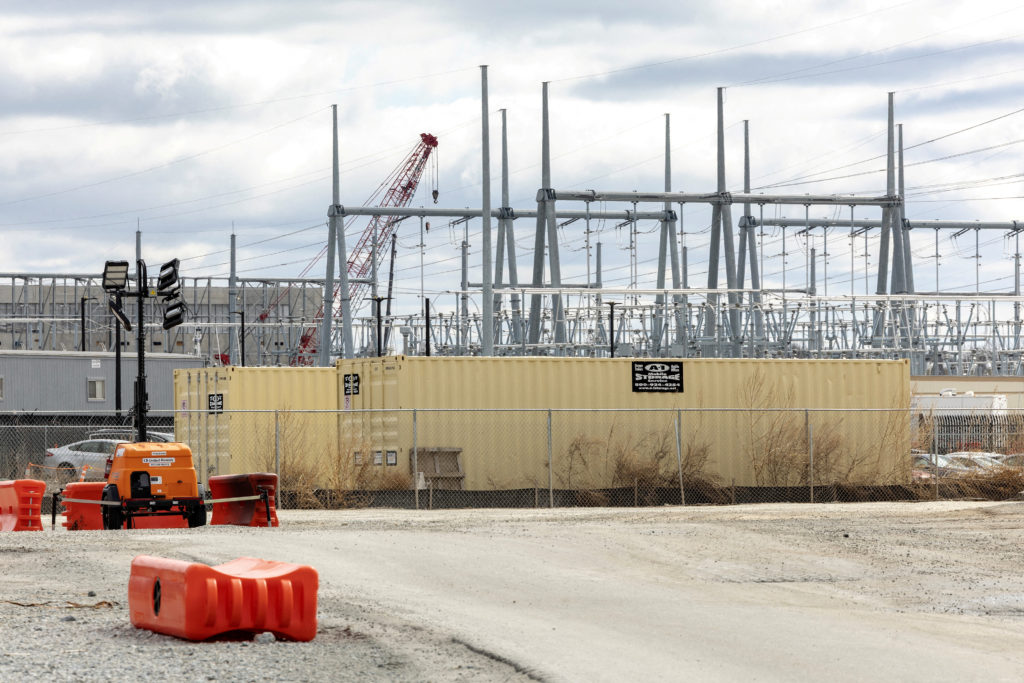
NextEra Energy's proposed acquisition of Dominion Energy in a $67 billion all-stock deal sparks concerns about the potential for exacerbating existing inequalities in access to affordable and clean energy. As AI technologies drive up energy demand, the merger of these two major players raises questions about environmental justice and community impacts.
Dominion Energy's service area includes communities disproportionately burdened by pollution and energy poverty. NextEra's acquisition could prioritize profit over the needs of these vulnerable populations, potentially leading to higher rates, reduced investment in renewable energy in underserved areas, and continued reliance on fossil fuels.
The rise of AI necessitates a significant increase in energy production, but the way this demand is met is crucial. If energy companies prioritize the cheapest options, which often involve fossil fuels, frontline communities will bear the brunt of the resulting pollution. A just transition to clean energy requires investments in renewable sources that benefit all communities, not just those that are economically privileged.
This merger raises concerns about the potential for job losses and the impact on union workers. Utility mergers often lead to layoffs as companies seek to streamline operations and reduce costs. It is crucial to ensure that any job losses are mitigated through retraining programs and investments in new, green jobs in the affected communities.
Furthermore, the merger could concentrate political power in the hands of a single company, making it more difficult for communities to advocate for their interests. Large corporations often use their financial resources to influence policy decisions, potentially undermining efforts to promote renewable energy and environmental protection.
Historically, utility mergers have often resulted in rate increases for consumers, particularly those in low-income communities. Regulators must carefully scrutinize this merger to ensure that it does not disproportionately burden vulnerable populations. They should also require NextEra to invest in energy efficiency programs and renewable energy projects in underserved areas.
The increasing demand for energy driven by AI presents an opportunity to build a more equitable and sustainable energy system. However, this requires a commitment to environmental justice and a willingness to prioritize the needs of communities over corporate profits. The NextEra-Dominion merger should be viewed as a test case for whether the energy industry is truly committed to a just transition.
Concerns also exist regarding the lack of transparency and community engagement in the merger process. Communities affected by the merger should have a seat at the table and be able to voice their concerns and priorities. Regulators should require NextEra to conduct meaningful community outreach and address any potential negative impacts of the merger.
Ultimately, the success of this merger should be measured not only by its financial performance but also by its impact on communities and the environment. A just transition to clean energy requires a holistic approach that considers the needs of all stakeholders, not just shareholders. The proposed acquisition must be evaluated in light of its potential to either advance or hinder the progress toward a more equitable and sustainable energy future.
The deal underscores the urgent need for policies that promote energy justice and ensure that all communities have access to affordable, clean energy. As the energy landscape continues to evolve, it is crucial to prioritize the needs of vulnerable populations and build a more just and sustainable energy system.
The concentration of power through this merger highlights the need for strong regulatory oversight and community involvement to ensure equitable energy access and environmental protection. The promise of renewable energy must not become another tool of economic disparity.
The merger's outcome will set a precedent for future energy deals, and could solidify the trajectory towards a future where energy justice is either embraced or discarded in the relentless pursuit of profit. It is incumbent upon regulators and advocates to ensure the former prevails.


