Nickel Rush in Indonesia: Exploitation of Land and Labor Fuels Green Tech
As demand for electric vehicle batteries soars, Indonesian communities bear the brunt of environmental destruction and economic inequality.
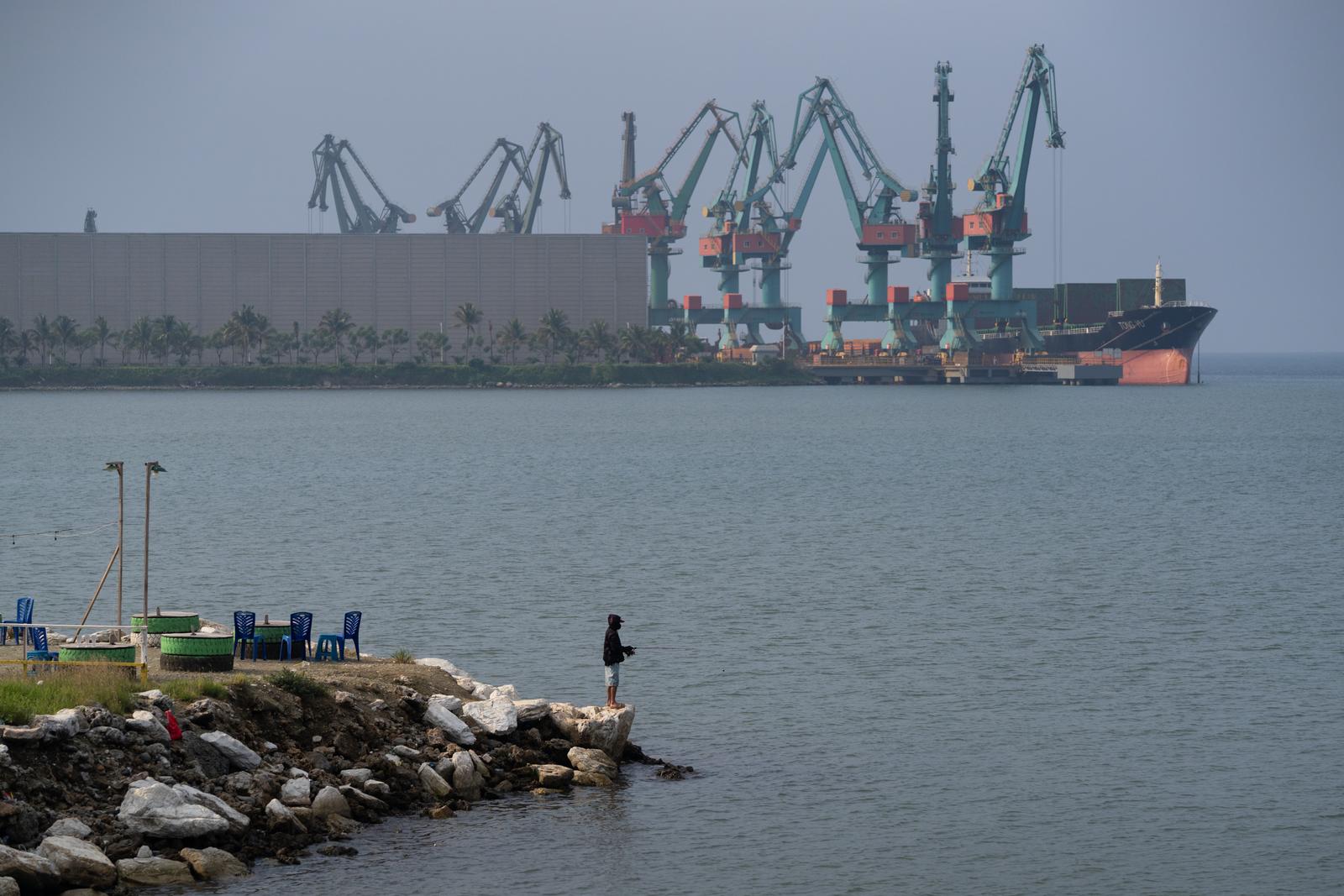
Across six locations in Indonesia, the relentless pursuit of nickel, a crucial component in electric vehicle batteries, is leaving a trail of environmental devastation and social injustice. While the global North touts the benefits of green technology, Indonesian communities are grappling with the tangible consequences of resource extraction.
The promise of jobs has lured some into the mining sector, but these opportunities often come at the expense of traditional livelihoods and community well-being. Farmers and fishermen find their land and water sources polluted, impacting their ability to sustain themselves and their families. The environmental damage disproportionately affects marginalized communities, exacerbating existing inequalities.
The Indonesian government's embrace of foreign investment in nickel mining has prioritized economic growth over environmental protection and social justice. Regulations are often weakly enforced, allowing mining companies to operate with impunity, clearing forests, polluting rivers, and displacing communities without adequate compensation.
The rush to extract nickel has created a two-tiered system, where a few benefit immensely while the majority bear the costs. Wealth flows out of the country, enriching foreign investors and corporations, while local communities are left with polluted environments and broken promises. This neo-colonial dynamic perpetuates a cycle of exploitation and dependence.
The health impacts of nickel mining are a growing concern. Exposure to heavy metals and other pollutants can lead to respiratory problems, skin diseases, and other health complications. The lack of access to adequate healthcare in many mining communities compounds these problems, leaving vulnerable populations even more susceptible to the harmful effects of mining.
The narrative of green technology as a solution to climate change must be tempered by a critical examination of its social and environmental costs. The demand for nickel should not come at the expense of human rights and environmental sustainability. A just transition requires holding corporations accountable for their environmental and social impacts and ensuring that local communities benefit from resource extraction.
We must demand greater transparency and accountability from mining companies and governments. Environmental impact assessments must be rigorous and independent, and communities must have a meaningful voice in decision-making processes. Fair labor practices, adequate compensation for displacement, and robust environmental protections are essential to ensuring a just and sustainable mining sector.