'No Kings' Protests Surge Against Trump Policies, Springsteen Stands in Solidarity
Nationwide demonstrations highlight growing resistance to the administration's agenda, fueled by concerns over social justice and inequality.
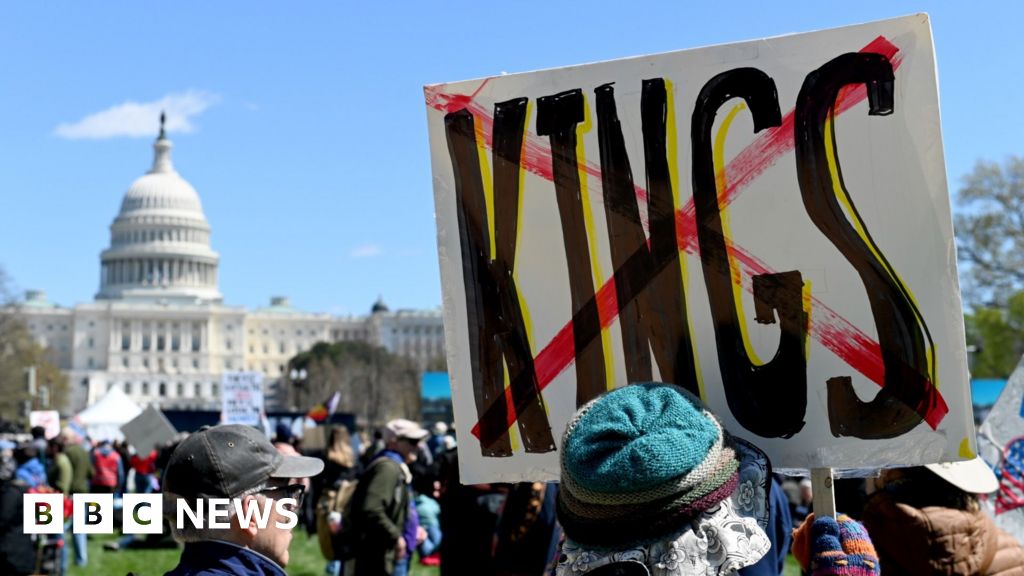
Across the United States, the third wave of 'No Kings' protests roared to life, a testament to the sustained and deepening opposition to the Trump administration's policies. These demonstrations, far from being isolated incidents, represent a groundswell of popular discontent over issues ranging from immigration and environmental deregulation to attacks on healthcare and voting rights. Bruce Springsteen, a long-time advocate for social justice, joined the protesters, lending his voice to the growing chorus demanding change.
The 'No Kings' rallies draw their strength from the diverse communities impacted by the Trump administration's policies. Immigrant communities, facing increased deportations and family separations, are at the forefront of these protests. Environmental activists, alarmed by the dismantling of environmental protections, are demanding urgent action to combat climate change. Workers, facing stagnant wages and declining union power, are fighting for economic justice.
Springsteen's participation underscores the moral imperative to resist injustice. As a cultural icon, his presence amplifies the voices of marginalized communities and challenges the administration's narrative. His involvement serves as a reminder that silence is complicity and that all people have a responsibility to stand up for what is right. The protests highlight the increasing polarization of American society, where those who value social justice and equality are pitted against those who defend the status quo.
The Trump administration's policies have disproportionately harmed vulnerable populations, exacerbating existing inequalities and creating new ones. The 'No Kings' rallies are a response to this injustice, a demand for a more just and equitable society. The protesters are not simply objecting to specific policies; they are challenging the administration's entire worldview, its disregard for human rights, and its embrace of division and hatred.
The rallies are also a testament to the power of collective action. By coming together, protesters are able to amplify their voices and exert pressure on the government to change course. These demonstrations are a reminder that democracy is not a spectator sport, that citizens have a responsibility to hold their leaders accountable, and that change is possible when people are united in their pursuit of justice. The events served as a space for community building and solidarity, where people from diverse backgrounds could connect, share their experiences, and strengthen their commitment to social change.
These protests are not just about resisting the Trump administration; they are about building a better future. The protesters are envisioning a society where everyone has access to healthcare, education, and a living wage. They are fighting for a world where the environment is protected, where immigrants are welcomed, and where everyone is treated with dignity and respect. The 'No Kings' rallies are a powerful expression of hope and a testament to the enduring human spirit.
Ultimately, the success of these protests will depend on the ability of activists to translate their momentum into meaningful political change. This requires building coalitions, organizing at the grassroots level, and engaging in electoral politics. The 'No Kings' rallies are just the beginning of a long and difficult struggle, but they are a vital step towards creating a more just and equitable society for all. The protests represent a powerful rejection of authoritarianism and a reaffirmation of democratic values.